Are Green NFTs Real or Just Rebranded Hype?

Introduction
NFTs exploded. Then they got roasted, for wrecking the planet. Every mint, bid, and transfer on early NFT platforms came with a carbon footprint that critics compared to plane rides and power plants.
But now we’re hearing something new: “Green NFTs.”
Platforms are switching blockchains, artists are going carbon-neutral, and the phrase “eco-friendly NFT” is popping up everywhere. It sounds good, but is it true?
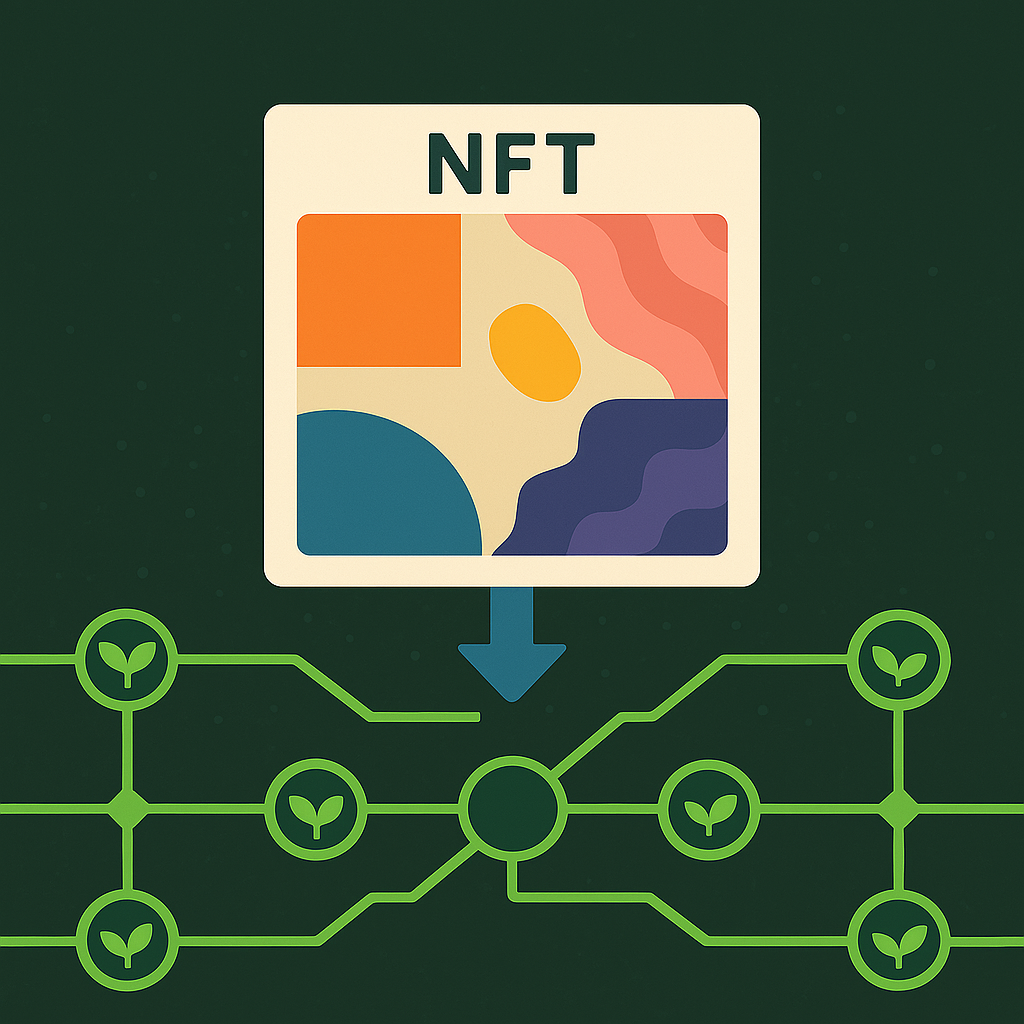
In this blog, we’ll unpack what makes an NFT “green,” which platforms are walking the talk, and whether this whole thing is a sustainability pivot or just another marketing ploy.
Why NFTs Got So Much Heat in the First Place
NFTs aren’t inherently bad for the environment. But the blockchains they rely on can be. Here’s the issue:
Most early NFT transactions were hosted on Ethereum. Until 2022, Ethereum used proof of work (PoW) to validate transactions. That process is:
- Energy-intensive
- Hardware-hungry
- Comparable to running a small nation in terms of electricity
According to one estimate, a single NFT minted on Ethereum pre-merge could generate over 200 kg of CO₂, the same as a two-hour flight.
ALSO READ
The Ethereum Merge Changed the Game
In 2022, Ethereum finally transitioned from proof of work to proof of stake (PoS). This move:
- Reduced its energy use by 99.95%
- Slashed carbon emissions almost entirely
- Set a precedent for other blockchains to follow
This wasn’t just a software update, it was a turning point for sustainable blockchain tech. Post-merge, Ethereum is no longer the environmental villain it once was.
But that still leaves one big question…
Are Today’s NFTs Actually Eco-Friendly?
That depends on where, and how, they’re minted.
✅ Eco-Friendly Blockchains
Some platforms were built from the ground up with sustainability in mind. These include:
- Tezos – PoS-based, low energy use, widely adopted by digital artists
- Polygon – Layer 2 Ethereum scaling solution, much lower carbon cost
- Solana – Fast, efficient, and uses a hybrid proof system
- Algorand – Carbon-negative by design (offsets more than it emits)
All of these blockchains consume just a fraction of what Bitcoin or pre-merge Ethereum required.
✅ Carbon Offset Initiatives
Some NFT platforms are now offering built-in carbon offsets:
- Aerial lets creators auto-offset emissions when minting
- OneOf claims to be a “green NFT platform” with 0 gas fees and music-focused drops
- Voice runs on EOSIO and touts itself as 100% eco-friendly
Offsetting is a step, but it’s not a solution. Critics argue that carbon offsets are easy to game and hard to verify. You can’t plant a tree today and erase yesterday’s emissions.
Where Greenwashing Creeps In
The phrase “eco-friendly NFT” has no regulatory standard. Anyone can slap it on a project and call it a day.
Here’s what to watch out for:
- No Proof of Offset – If a platform claims to be carbon-neutral but doesn’t show how, be skeptical
- Still Using PoW Chains – If you’re minting on Bitcoin or old PoW forks, it’s still energy-hungry
- Offset as Excuse – Some projects overmint and oversell while hiding behind the “we offset it” label
So while some NFT platforms are taking real steps toward sustainability, others are just slapping a green label on a black box.
Real Examples of Green NFT Efforts
🌍 World of Women on Polygon
This women-led NFT project migrated to Polygon to reduce emissions and lower minting fees. Their environmental messaging aligns with actual tech choices.
🖼 CleanNFTs Initiative
A community of artists and developers advocating for energy-efficient minting, primarily on Tezos and Algorand.
🎵 Doja Cat’s NFT Drop on OneOf
An early celebrity adoption of a low-carbon NFT marketplace. While commercial, it brought attention to greener alternatives.
Can NFTs Ever Be Truly Sustainable?
The short answer: Not yet. But they can become more sustainable. Here’s how:
✅ Broader Adoption of PoS
The more platforms ditch PoW, the better. Ethereum showed it’s possible. Others should follow.
✅ Smarter Minting Practices
Lazy minting (where the NFT isn’t created until sold) can drastically cut waste. Batching transactions also helps reduce chain congestion.
✅ Transparency from Projects
Creators and platforms should disclose emissions, offsets, and blockchain choices. Without that, “green NFT” means nothing.
✅ Community Pressure
Buyers should reward platforms that actually reduce emissions, not just offset them. Demand transparency. Ask for receipts.
FAQs
1. Are NFTs still bad for the environment in 2025?
No, not in the way they used to be. With Ethereum’s shift to proof of stake and the rise of green platforms, many NFTs now have a much smaller footprint. But transparency still matters.
2. What makes an NFT “eco-friendly”?
It should be minted on a low-energy blockchain like Tezos or Polygon, and ideally backed by real data on emissions and offsets. Avoid platforms that don’t show their environmental impact.
3. Do carbon offsets actually make NFTs sustainable?
Offsets help, but they’re not a fix-all. A project that mints irresponsibly and slaps on offsets is still creating avoidable emissions.
Want to get Things Going?
Don’t fall for the green sticker.
Whether you’re a collector, creator, or investor, ask where your NFTs live, how they’re minted, and what’s being done to cut their impact. Sustainability in Web3 starts with smarter choices.