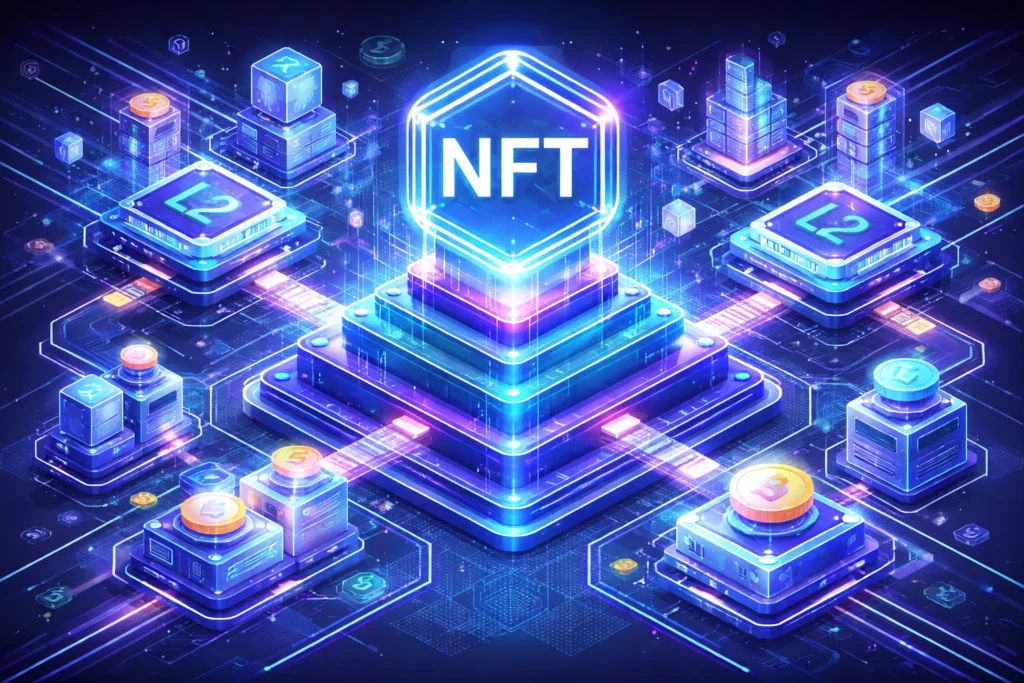
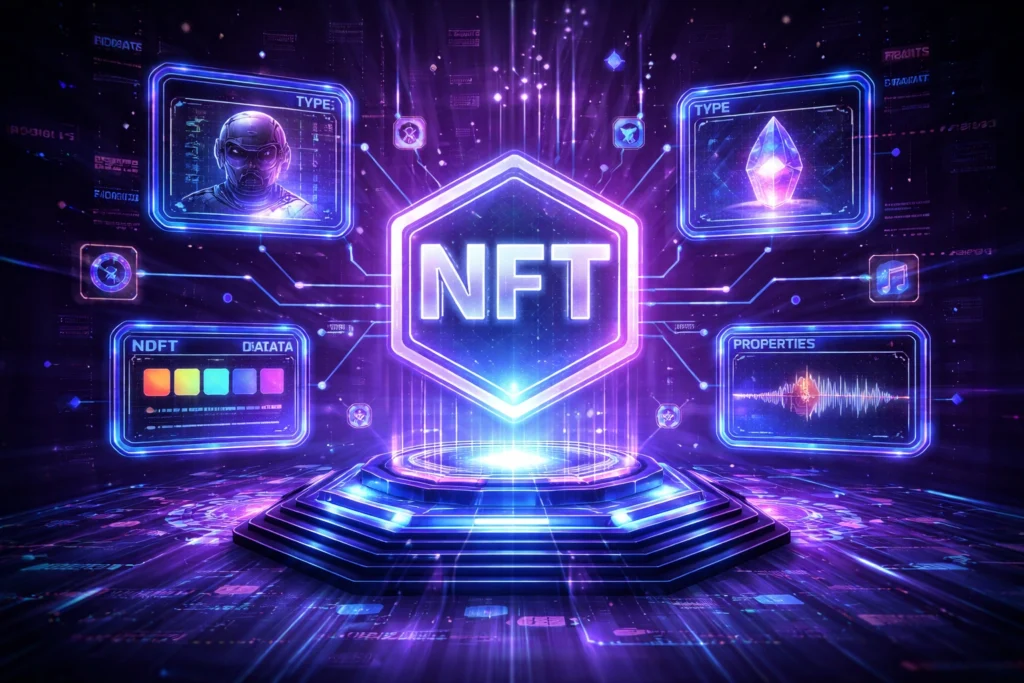
What Are NFT APIs? The Backbone of Scalable Web3 Integration

NFTs may look simple on the surface, but the systems behind them are not. Every mint, transfer, sale, and metadata update depends on infrastructure most users never see. This is where NFT APIs play a critical role. 

They act as the bridge between blockchains and real-world applications. Without them, Web3 platforms would be slow, fragile, and hard to scale. This article explains what NFT APIs are, how they work, and why they are the backbone of modern Web3 integration.

What Are NFT APIs?

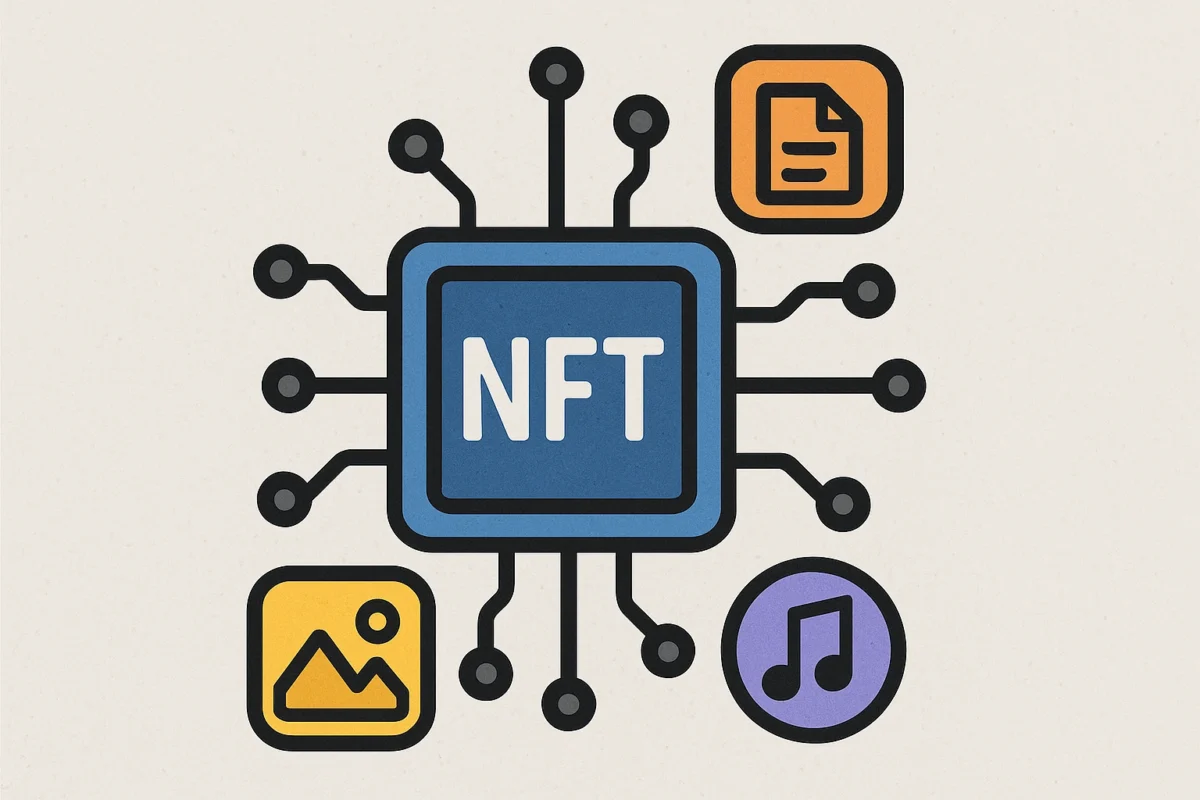
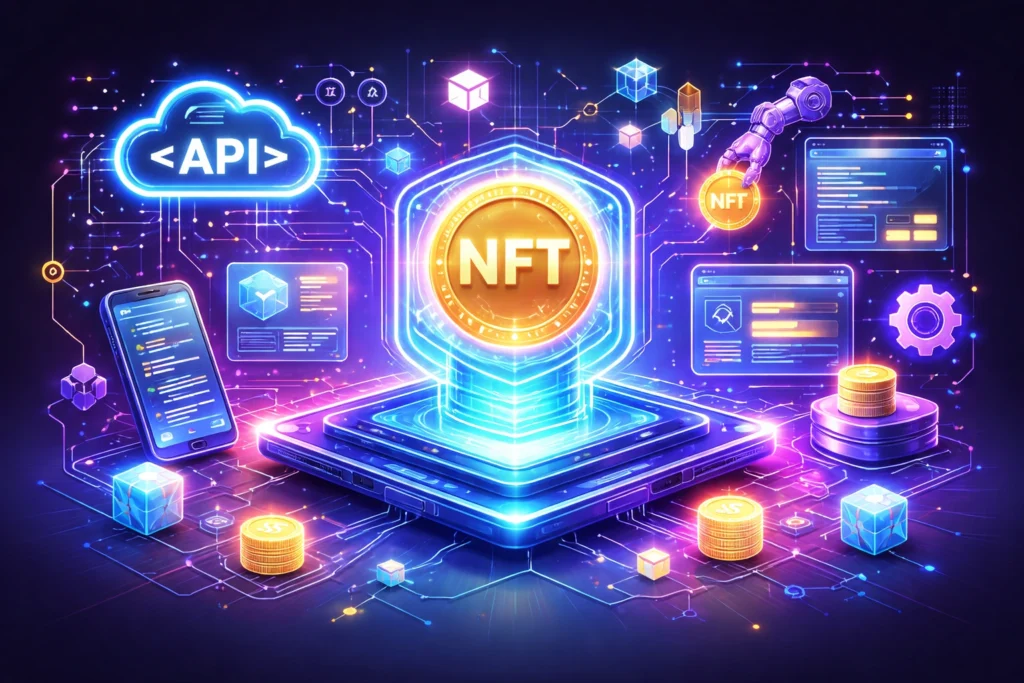
An API, or Application Programming Interface, allows different software systems to communicate. NFT APIs do the same thing for blockchain-based assets. They let developers interact with NFTs without dealing directly with complex smart contract logic or raw blockchain data.

Instead of writing low-level code for every action, developers can use predefined endpoints. These endpoints handle tasks like reading NFT ownership, fetching metadata, tracking transactions, or initiating minting. This abstraction makes NFT development faster and far more reliable.

In simple terms, NFT APIs turn blockchains into usable platforms instead of developer-only environments.

Why NFT APIs Matter for Web3 Integration

Blockchains were not designed for user-friendly applications. They are secure, decentralized, and transparent, but they are also slow and complex. NFT APIs solve this problem by acting as a translation layer.

Through Web3 integration, applications can connect wallets, marketplaces, games, and analytics tools to blockchain networks without friction. APIs allow Web2-style performance while preserving Web3 trust principles.

This is why almost every scalable NFT platform relies on APIs. Without them, user experiences would break under real-world demand.

Also See: On-Chain vs Off-Chain Data in NFT Architecture

How APIs Work Behind the Scenes

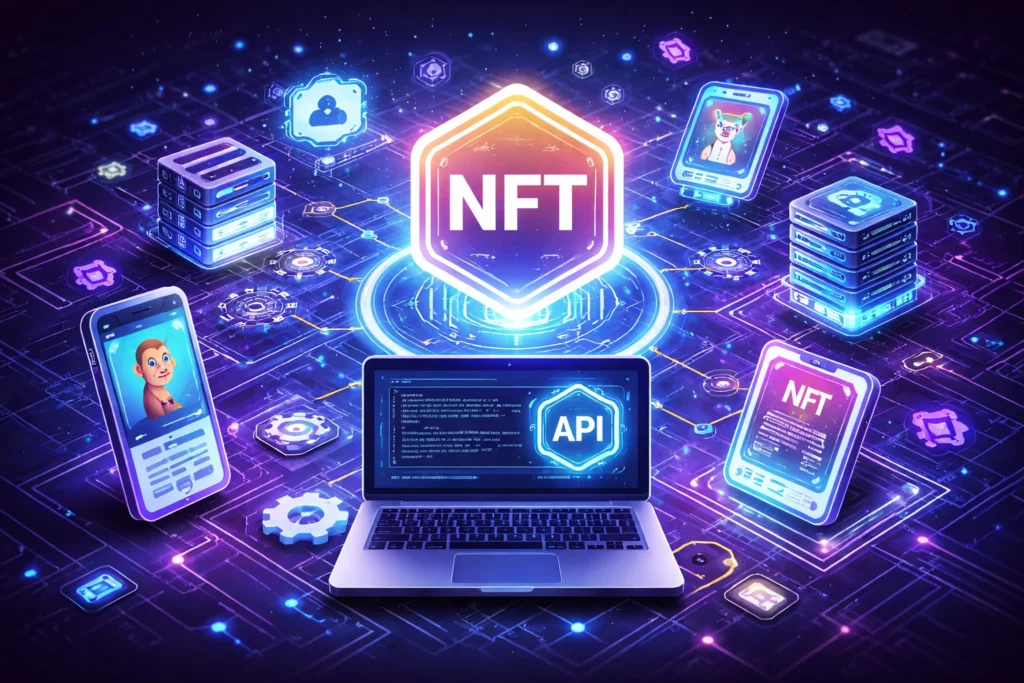
NFT APIs sit between the application layer and the blockchain. When a user opens an NFT marketplace, the app does not scan the blockchain directly. Instead, it sends a request to an API endpoint.

The API processes the request, fetches the required on-chain data, and returns a clean response. This response might include ownership details, transaction history, metadata, or pricing information.

Some APIs also cache data. This reduces load on the blockchain and speeds up performance. Others index blockchain events in real time, ensuring accuracy without sacrificing speed.

Blockchain APIs vs NFT-Specific APIs

A blockchain API provides general access to on-chain data. It handles blocks, transactions, wallet balances, and contract calls. While powerful, it is often too broad for NFT-focused applications.

NFT APIs are more specialized. They understand token standards like ERC-721 and ERC-1155. They know how metadata works. Plus, they track rarity traits, ownership changes, and marketplace activity. As a result, this specialization is what makes NFT APIs essential for developers building user-facing products.

NFT APIs and Smart Contract Interaction

what is NFT APIs

Smart contracts are the core of NFTs. They define ownership, transfers, royalties, and minting rules. Directly interacting with smart contracts requires precision and security expertise.

A smart contract API simplifies this process. It exposes contract functions through controlled endpoints. Without manually encoding transactions, developers can trigger:

  • Minting
  • Transfers
  • Burns

As a result, it reduces errors. It also improves security, since APIs can enforce validation rules and permission checks before interacting with the blockchain.

NFT Minting APIs Explained

Minting is one of the most common NFT operations. A NFT minting API allows applications to create NFTs programmatically.

This is especially important for large-scale platforms. Games, ticketing systems, and generative art projects cannot rely on manual minting. They need automated pipelines. Minting APIs manage wallet interactions, gas optimization, metadata binding, and confirmation handling. They make mass NFT creation feasible without overwhelming users or developers.

NFT Data Endpoints and Metadata Access

NFTs are more than tokens. Their value comes from metadata. This includes: 

  • Images
  • Attributes
  • Descriptions
  • Traits

NFT data endpoints allow applications to fetch this information quickly. They pull metadata from IPFS, Arweave, or centralized storage while linking it to on-chain ownership records.

These endpoints are essential for galleries, analytics dashboards, rarity tools, and portfolio trackers. Without reliable data access, NFTs lose usability.

NFT Marketplace Integration Through APIs

Marketplaces depend heavily on APIs. Listing NFTs, updating prices, tracking bids, and finalizing sales all require real-time data exchange.

NFT marketplace integration APIs connect buyers, sellers, wallets, and smart contracts in a single flow. They ensure listings stay accurate and ownership updates instantly after transactions. As a result, the level of coordination would be impossible without APIs acting as the glue between systems.

Scalability Challenges Without NFT APIs

what is blockchain API

Challenges include:

  • Direct blockchain interaction does not scale well. 
  • Block times, rate limits, and network congestion create bottlenecks.

APIs solve these issues by batching requests, caching responses, and offloading computation. They also handle multi-chain support, allowing applications to scale across ecosystems without rewriting logic. As a result, the scalability is what enables mainstream adoption. Without APIs, NFTs would remain niche tools for technical users only.

Security Considerations

  • APIs introduce convenience, but they also introduce responsibility. Poorly designed APIs can expose sensitive data or create attack vectors
  • Secure NFT APIs implement authentication, rate limiting, and transaction validation. They also monitor abnormal behavior to prevent abuse

For developers, choosing reliable NFT developer tools with strong security practices is as important as choosing the right blockchain.

Future in Web3

NFT APIs will evolve alongside Web3. Expect deeper analytics, cross-chain abstraction, and more intelligent automation.

As regulations increase, APIs will also handle compliance logic. As users demand better experiences, APIs will optimize performance and reliability.

The future of NFTs is not just on-chain. It is in the layers that make blockchains usable at scale.

Conclusion

NFTs may live on blockchains, but they function through APIs. NFT APIs are the unseen backbone of scalable Web3 integration. They simplify development, improve performance, and unlock real-world use cases. And as NFTs move beyond speculation into infrastructure, APIs will define who can build, who can scale, and who can succeed.

FAQ: NFT APIs

What is an NFT API in simple terms?

An NFT API lets applications read, create, and manage NFTs without directly interacting with complex blockchain code.

Do all NFT platforms use APIs?

Yes. Any scalable NFT platform relies on APIs to handle data access, minting, and marketplace functions efficiently.

Are APIs centralized?

Most are managed services, but they still interact with decentralized blockchains. They provide convenience without replacing decentralization.

Can APIs support multiple blockchains?

Yes. Many APIs are multi-chain, allowing developers to integrate Ethereum, Polygon, Solana, and more through one interface.

Are NFT APIs secure?

They can be, if built properly. Security depends on authentication, validation, and the provider’s infrastructure practices.

NFT Scalability and Layer 2 Solutions: Making Digital Assets Faster and Cheaper

NFTs unlocked digital ownership, but they also exposed a major problem. As adoption grew, blockchains like Ethereum became slow and expensive. Simple NFT actions started costing more than the asset itself. This friction blocked creators, frustrated collectors, and slowed innovation. To solve this, the ecosystem turned to scalability. Layer 2 solutions emerged as the key to making NFTs faster, cheaper, and usable at scale. 

In this article, let’s see how NFT scalability works, and why Layer 2 networks matter, which is essential for anyone building or investing in digital assets today.

Why NFT Scalability Became a Critical Issue

Blockchains were not originally designed for mass consumer usage. Ethereum, in particular, prioritizes security and decentralization over speed. Every NFT mint, transfer, or sale competes for limited block space. As demand rises, transaction fees surge and confirmation times slow down. This creates an uneven playing field where only high-value NFTs remain viable. 

For everyday creators, gamers, and brands, these costs become a barrier. Scalability is not about convenience alone. It is about whether NFTs can function as a global digital infrastructure.

Understanding NFT Transaction Bottlenecks

Each NFT interaction requires computation and storage. When activity spikes, the network must process thousands of competing transactions. Miners or validators prioritize those with higher fees. This auction-based system pushes gas prices up. The result is unpredictable costs and delayed confirmations. 

NFT marketplaces feel this strain first. Drops fail, users abandon purchases, and creators lose momentum. Without scalability improvements, NFTs risk remaining niche assets rather than mainstream tools.

What Layer 2 Solutions Actually Are

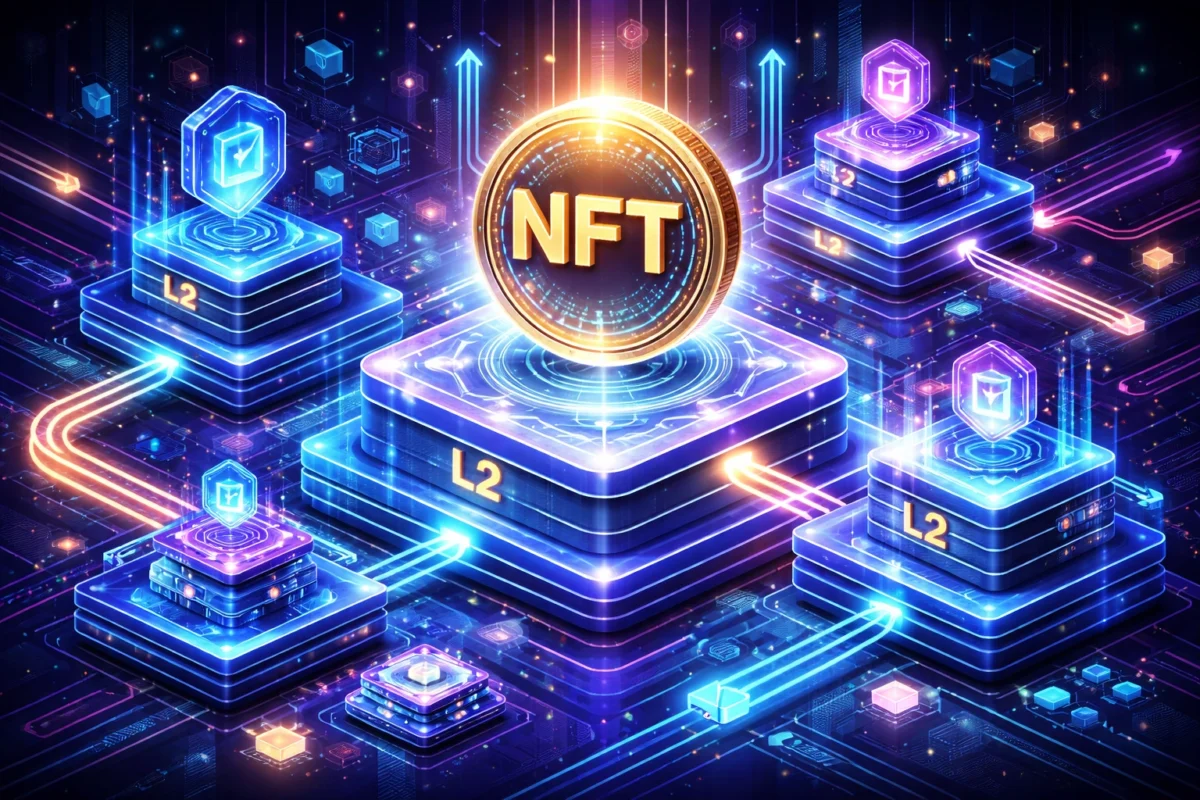
Layer 2 solutions are systems built on top of a main blockchain. Instead of processing every transaction directly on Ethereum, they handle activity off the main chain and then settle results back to it. This reduces congestion while preserving security. The base layer remains the final authority, but most of the work happens elsewhere. For NFTs, this means faster interactions and dramatically lower gas fees without sacrificing trust.

How Layer 2 Improves NFT Transaction Speed

Layer 2 networks bundle multiple transactions together before submitting them to Ethereum. This batching process reduces the number of on-chain operations required. As a result, NFT minting and trading feel instant rather than delayed. Users no longer wait minutes for confirmation. 

Marketplaces operate smoothly even during high demand. Speed changes user behavior. When transactions feel immediate, experimentation increases and engagement grows.

Also See: Cognitive Cryptography: How the Mind Interprets Digital Ownership and Value

Gas Fees and the Cost Problem

High gas fees were one of the biggest obstacles to NFT adoption. Creators hesitated to mint. Collectors hesitated to trade. Layer 2 solutions lower costs by spreading fees across many transactions. Instead of paying for individual execution on Ethereum, users share the cost of settlement. This makes microtransactions possible. NFTs can now support gaming items, loyalty rewards, and dynamic assets that would be impossible on Layer 1 alone.

Ethereum Layer 2 and NFT Ecosystems

Ethereum remains the dominant NFT settlement layer. Layer 2 networks extend its capabilities rather than replacing it. This relationship is important. Ethereum provides security, decentralization, and liquidity. 

Layer 2 provides speed and affordability. Together, they form a scalable stack. NFT projects benefit from Ethereum’s credibility while offering better user experiences. This balance is why Layer 2 adoption continues to grow.

Rollups and Their Role in NFT Scalability

Rollups are one of the most important Layer 2 technologies. They execute transactions off-chain and post compressed data back to Ethereum. There are two main types: optimistic rollups and zero-knowledge rollups. Both reduce costs and increase throughput. For NFTs, rollups enable high-volume minting and trading without overwhelming the base chain. They allow marketplaces to operate at scale while remaining anchored to Ethereum security.

Optimism and Arbitrum for NFTs

Optimism and Arbitrum are leading optimistic rollup networks. They assume transactions are valid by default and only verify them if challenged. This design makes them fast and efficient. NFT projects on these networks benefit from lower fees and Ethereum compatibility. Smart contracts can be deployed with minimal changes. This makes migration easier for existing platforms. As tooling improves, more NFT ecosystems are choosing these rollups for core operations.

Polygon and Sidechain Scalability

what are Layer 2 NFTs

Polygon takes a different approach. It operates as a sidechain with its own validators while remaining connected to Ethereum. This structure offers extremely low fees and high throughput. Polygon NFTs became popular for gaming, collectibles, and brand activations. While sidechains rely more on their own security models, they offer flexibility and scale that many applications need. For high-frequency NFT use cases, Polygon provides a practical balance.

Trade-Offs Between Rollups and Sidechains

Scalability always involves trade-offs. Rollups inherit Ethereum’s security but may introduce withdrawal delays. Sidechains offer speed and low cost but rely on separate validator sets. 

NFT architects must choose based on priorities. High-value assets often favor rollups. High-volume interactions often favor sidechains. There is no universal solution. The key is matching architecture to use cases.

User Experience and NFT Adoption

Scalability directly affects how users feel. Slow transactions break immersion. High fees create anxiety. Layer 2 solutions remove friction. When users can mint, trade, and interact without thinking about gas, NFTs become accessible. This shift expands the audience beyond crypto-native users. Mainstream adoption depends on invisible infrastructure. Layer 2 makes that possible.

Developer Innovation on Layer 2

NFT transaction speed

Lower costs encourage experimentation. Developers can build complex NFT logic without worrying about execution fees. Dynamic metadata, evolving NFTs, and on-chain interactions become feasible. This innovation drives new categories of digital assets. Gaming NFTs, social NFTs, and utility-driven tokens thrive in scalable environments. Layer 2 is not just an optimization. It is an enabler of new ideas.

Conclusion

At the end of the day, NFT scalability isn’t just some back-end technicality, it’s the backbone of the entire digital asset economy. By using Layer 2 solutions, we can finally make NFTs fast, affordable, and actually practical for everyday use without cutting corners on security. 

Whether it’s through rollups or sidechains, these tools are turning NFTs from a tech experiment into real-world infrastructure. As the space gets more crowded, the projects that prioritize these scalable solutions are the ones that are going to stick around.

On-Chain vs Off-Chain Data in NFT Architecture

When we say an NFT is ‘on the blockchain,’ we aren’t telling the whole story. Most NFTs actually function across multiple layers: some data is recorded on-chain, but a significant portion often lives elsewhere. This design has huge implications for trust and long-term value. Whether you’re building a platform or collecting art, it’s vital to understand the difference between on-chain and off-chain storage, it’s often the only thing standing between an asset that lasts forever and one that vanishes overnight.

In this article, let’s break down how NFT data is structured, how storage layers work, and why the difference matters more than most people realize.

What Data Makes Up an NFT?

An NFT is not a single digital object. It is a structured record that connects ownership to content. The blockchain stores the token identifier, the smart contract logic, and the ownership history. What it usually does not store is the actual image, video, or audio file. Instead, the blockchain holds a reference that points to where that file lives. This separation exists because blockchains are expensive environments for data storage. 

Keeping large media files on-chain would make NFTs prohibitively costly. As a result, storage architecture becomes a core part of NFT design rather than a technical afterthought.

What Is On-Chain NFT Storage?

On-chain storage means that the NFT’s data is written directly into the blockchain itself. When this approach is used, the NFT does not depend on external servers or networks to exist. As long as the blockchain continues to operate, the NFT remains accessible and verifiable. This provides a high level of permanence and resistance to censorship. 

However, storing data on-chain comes with significant limitations. Blockchains were not designed for heavy media storage, and costs increase rapidly as file size grows. Because of this, fully on-chain NFTs tend to be minimal in size and complexity.

Fully On-Chain NFTs

Fully on-chain NFTs often rely on generative or encoded content rather than traditional media files. The artwork may be generated from code stored in the smart contract or represented through compressed data formats. This approach ensures that the NFT is entirely self-contained and immune to external failures. Nothing can be removed or altered without changing the blockchain itself. While this provides unmatched durability, it also restricts creative freedom. High-resolution images, animations, and video content are rarely feasible using this model, which limits its use to specific artistic styles and technical experiments.

What Is Off-Chain NFT Storage?

Off-chain storage refers to any architecture where the NFT points to data stored outside the blockchain. In this setup, the blockchain acts as a record of ownership and reference, while the actual content is hosted elsewhere. This allows NFTs to include rich media without overwhelming blockchain infrastructure. Off-chain storage makes NFTs more flexible and affordable, but it introduces dependency. If the external storage fails, the NFT can lose access to its content even though the token itself still exists.

Decentralized Off-Chain Storage

To reduce reliance on centralized servers, many NFT projects use decentralized storage networks. These systems store files across multiple nodes rather than in a single location. Files are identified by cryptographic hashes, meaning the content itself determines how it is retrieved. This design ensures that files cannot be secretly altered without detection. Decentralized storage improves resilience and aligns more closely with blockchain principles, but different networks offer different guarantees around permanence and availability.

IPFS: How It Works

IPFS vs Arweave

IPFS is one of the most commonly used decentralized storage systems for NFTs. It allows files to be distributed across a peer-to-peer network and retrieved using a unique content hash. This ensures that the file retrieved is exactly the file that was originally uploaded. 

However, IPFS does not automatically guarantee that files will remain available forever. Files must be actively hosted, or pinned, by users or services. If no one continues to host the data, it can eventually become unavailable. This means IPFS reduces risk but does not eliminate it entirely.

Arweave: Permanent Storage by Design

Arweave takes a different approach by designing its network around permanent storage. Instead of requiring ongoing hosting, users pay once to store data indefinitely. Economic incentives encourage network participants to keep data available over the long term. For NFTs, this model provides stronger assurances that files will not disappear. Once an NFT file is stored on Arweave, it is intended to remain accessible as long as the network exists. This makes it especially attractive for high-value NFTs and cultural assets where permanence matters more than flexibility.

IPFS vs Arweave: A Practical Comparison

IPFS is flexible and widely adopted.

Arweave is rigid but permanent.

IPFS is better for:

  • Large collections
  • Cost-sensitive projects
  • Dynamic metadata

Arweave is better for:

  • High-value NFTs
  • Long-term archives
  • Cultural preservation

Both are forms of decentralized data storage, but they serve different priorities.

Choosing between them is a design decision, not a technical one.

Also See: Cognitive Cryptography: How the Mind Interprets Digital Ownership and Value

Metadata and Its Importance

Metadata defines what an NFT is beyond ownership. It includes the name, description, traits, and references to the media file. If metadata changes, the perceived identity of the NFT changes as well. Some NFTs allow metadata updates, while others permanently lock it. Mutable metadata enables growth and experimentation, but it also introduces uncertainty. Immutable metadata provides stability but limits adaptability. How metadata is stored and managed plays a major role in trust and valuation.

Why Storage Architecture Affects NFT Value

decentralized data storage

Collectors increasingly evaluate NFTs based on their technical foundations. An NFT backed by strong, permanent storage inspires more confidence than one dependent on fragile infrastructure. Storage architecture influences whether an NFT can survive platform failures, legal disputes, or technological shifts. As awareness grows, architecture becomes part of an NFT’s narrative and value proposition. Long-term collectors pay attention to where data lives, how secure it is, and whether it can endure.

Storage Layer Transparency Matters

Good NFT projects explain their storage choices.

They disclose:

  • Where files are stored
  • Whether metadata is mutable
  • How permanence is ensured

This transparency builds trust. Projects that hide storage details raise red flags. Even strong art cannot compensate for weak infrastructure. In NFT architecture, silence is a risk.

Hybrid Storage Models

Many NFT projects adopt hybrid approaches that balance cost, performance, and durability. Ownership records remain on-chain, metadata may be stored on IPFS, and media files may be archived on Arweave. This layered approach reflects practical constraints while preserving long-term value. Hybrid models recognize that not all data carries equal importance. Critical elements receive the strongest protection, while less critical components remain flexible.

Long-Term Implications for NFT Hosting

As the NFT market matures, expectations around storage will continue to rise. Collectors are becoming more technically informed and less tolerant of weak infrastructure. Platforms and standards are evolving to emphasize permanence, decentralization, and transparency. In the future, storage architecture will likely become a defining feature of NFT quality rather than an invisible detail.

Conclusion

We need to stop viewing NFTs as just images and start seeing them as data architecture. Whether a project stores data on-chain or off-chain tells you everything you need to know about its long-term viability. As the market moves past the initial gold rush, buyers are looking for substance over hype. True value belongs to the projects designed to survive the test of time, not just the current cycle.

FAQ: On-Chain vs Off-Chain

Are NFTs fully stored on the blockchain?

No. Most NFTs store ownership on-chain and files off-chain.

Is on-chain NFT storage better?

It offers maximum permanence but limits media complexity.

Is IPFS permanent?

Only if files are actively pinned. Otherwise, availability is not guaranteed.

Why do people prefer Arweave for NFTs?

Because it is designed for permanent storage with long-term incentives.

Does storage affect NFT price?

Yes. Strong storage architecture increases trust and long-term value.

Cognitive Cryptography: How the Mind Interprets Digital Ownership and Value

There is a fundamental question at the heart of the digital revolution: How can individuals claim ownership and assign immense value to assets that exist only as data? The vast disparity between a million-dollar NFT and one that fails to sell is often not a technical one, but a cognitive one. True digital ownership is not merely a function of cryptographic verification; it critically depends on how the human mind internalizes identity, scarcity, and inherent value. We stand at the beginning of a new field: cognitive cryptography, a blend of neuroscience and decentralized technology.

In this article, let’s explore the mechanisms by which the brain processes and attaches emotional weight to digital assets, ultimately analyzing how these psychological drivers influence market fluctuations and long-term engagement.

What Is Cognitive Cryptography?

Cognitive cryptography is the study of how the mind understands and interacts with cryptographic systems especially in the context of digital ownership. It combines:

Neuroscience (how the brain responds to ownership and status)

Psychology (how people perceive value and identity)

Cryptography (how blockchains verify and secure digital assets)

Together, these fields explain why people trust blockchain records, how they interpret digital scarcity, and why digital identity now carries real emotional weight.

The Neuroscience of Digital Ownership

Human brains evolved to assign meaning to possessions. Ownership triggers:

  • A sense of security
  • Personal identity
  • Emotional attachment
  • Social recognition

These reactions don’t depend on physical touch, they depend on certainty. When the brain receives clear signals that something “belongs to us,” reward circuits activate.

Cryptographic ownership anchored in blockchain verification creates the same cognitive response. Even without a physical object, the mind treats an NFT or token as a real, meaningful asset.

Also See: How Zero-Knowledge Proofs Are Changing NFT Privacy and Provenance

Why Cryptographic Ownership Feels Real

what is cognitive science NFTs

Three scientific principles explain this:

1. The Endowment Effect

People instantly value things more when they own them even digital files.

2. Cognitive Closure

Blockchain finality gives owners psychological confidence.

3. Reward Pathways

Acquiring unique digital items triggers dopamine spikes similar to buying physical collectibles.

This is why digital scarcity, when backed by cryptographic proof, feels legitimate and emotionally compelling.

How the Brain Perceives Digital Value

Human perception of value is deeply psychological, regardless of whether the asset is physical or digital. Gold, art, and NFTs all activate similar cognitive mechanisms because the brain evaluates worth through signals and not substance.

1. Scarcity Signals

The brain is wired to interpret scarcity as value. When a digital asset is verifiably limited whether through capped mints, rare traits, or one-of-one artwork, it activates the same scarcity response that evolved to help humans prioritize rare resources. Cryptography turns intangible data into “limited items,” allowing the mind to emotionally register rarity even when the asset exists solely on-chain.

2. Social Proof

Humans naturally rely on the behavior of others to make decisions, and digital markets magnify this instinct. Metrics like likes, reposts, floor prices, and trending charts serve as rapid social cues that something is valuable. When a community rallies around an asset, the brain interprets the collective attention as validation, making the item feel more desirable and worth owning.

3. Narrative and Meaning

Stories and meaning heavily influence perceived worth. An NFT or digital collectible supported by lore, cultural symbolism, or a strong brand identity gains emotional weight in the mind. Narrative richness gives the brain more context to latch onto, transforming a digital object from simple code into something that feels significant and memorable.

4. Identity Expression

Digital ownership increasingly functions as a form of self-expression. Wallets act like public profiles, and collections signal personal taste, community alignment, or social status. 

Because identity is central to human psychology, owning assets that reflect who we are or who we aspire to be creates a stronger emotional attachment. Cognitive science shows that value perception is inseparable from identity and belonging, especially in digital ecosystems where visibility is amplified.

Cryptographic Ownership and Digital Identity

Blockchain wallets have become extensions of personal identity. They act as:

  • A proof of reputation
  • A history of participation
  • A badge of community belonging

This creates what researchers call cryptographic identity psychology.

How Blockchain Shapes Identity

Consistency: A wallet’s history is permanent.

Authenticity: Verification reinforces trust.

Status: Rare assets signal social standing.

Belonging: Communities use ownership as entry points to culture.

This explains why digital assets often feel more “publicly personal” than physical ones.

How Cognitive Cryptography Shapes Market Behavior

Digital markets are not just technical systems, they are psychological ecosystems. 

Marketplace Features Designed Around Cognitive Triggers

  • Auctions exploit competitive instincts
  • Rarity charts tap into scarcity decoding
  • Leaderboards fuel achievement drives
  • Reveal events create anticipation
  • Social badges amplify status identity

These features work because they map directly onto human cognitive structures.

Why Volatility Feels “Normal” to Crypto Users

Emotionally charged assets create:

  • Stronger loyalty
  • Faster reactions to news
  • Higher sensitivity to community sentiment

This explains why crypto markets often move as collective emotional waves.

The Future of Cognitive Cryptography

what is  cryptographic ownership

As digital ownership evolves, platforms will integrate cognitive science even more deeply.

What’s Next?

Emotion-Responsive Marketplaces: Assets priced or displayed based on user sentiment.

Identity-Based Ownership Models: NFTs tied to biometric or behavioral signatures.

Memory-Integrated Digital Assets: Tokens that evolve based on user interactions or life events.

Neurofeedback-Enhanced Experiences: Using brain-signal inputs to personalize digital art or assets in real time.

Cognitive-First Wallets: Interfaces built around emotional and psychological behavior rather than pure data.

In the next decade, blockchain will shift from technical ownership to cognitive ownership shaped by how the mind constructs value.

FAQ: Cognitive Cryptography

Why does digital ownership feel real to the brain?

Because ownership is a cognitive state, not a physical one. Blockchain certainty triggers the same psychological responses as physical possession.

How does cognitive science affect NFT value?

Scarcity, identity, memory, and social proof shape how the brain perceives worth making NFTs emotionally powerful.

Why are people loyal to certain NFT projects?

Community belonging, identity signaling, and emotional memory create strong psychological anchors.

Can cognitive cryptography predict market trends?

Yes, understanding human behavior helps forecast hype cycles, investor reactions, and value perception.

Conclusion

The future of digital ownership isn’t just technical, it’s psychological. Cognitive cryptography reveals how the human mind interprets cryptographic certainty, digital identity, and the perception of value. 

Whether it’s NFTs, tokens, or blockchain-based identities, the brain responds to ownership with emotion, memory, and meaning. This is why digital assets matter, and why they will continue to shape culture, economy, and personal identity in the years ahead.

How Zero-Knowledge Proofs Are Changing NFT Privacy and Provenance

NFTs have come a long way. They started as simple digital art pieces and quickly grew into complex assets tied to our identity, exclusive memberships, creative rights, and financial tools. But as this ecosystem has exploded, so have serious issues around privacy, verifying authenticity, and tracking an asset’s history (its provenance). The core feature of blockchain which is its public transparency is actually the source of the problem: every transaction is laid bare, ownership trails are impossible to conceal, and proving an NFT is real often forces you to expose private data. This is where Zero-Knowledge Proofs (ZKPs) step in. 

This groundbreaking cryptographic technology is changing the game for trust and privacy in the Web3 world. With zero-knowledge systems, you can prove things like ownership, authenticity, or compliance without ever revealing the sensitive data underneath. 

When applied to NFTs, we get a new category: zk-NFTs. These enable private transfers, protect the history of an asset, and allow for completely secure verification. In this article, let’s explore how ZKPs are fundamentally reshaping the NFT market, building deeper trust, protecting user privacy, and securing digital ownership for the next era.

What Are Zero-Knowledge Proofs?

A zero-knowledge proof is a cryptographic method that allows one party (the prover) to demonstrate knowledge of certain information to another party (the verifier) without revealing the information itself.

In simple terms:

  • You can prove you own an NFT without showing your wallet.
  • You can confirm a digital artwork’s authenticity without exposing metadata.
  • You can validate provenance without revealing personal identity.

The most common type used in blockchain is zk-SNARKs (Zero-Knowledge Succinct Non-Interactive Argument of Knowledge), which allow fast, private, low-data proofs ideal for large-scale NFT ecosystems.

Why Privacy Matters in NFTs

NFTs are not just JPEGs. They represent:

  • Digital identity
  • Real-world assets
  • Membership tokens
  • Gaming inventory
  • Investment-grade collectibles
  • Sensitive datasets (medical, educational, creative works)

Yet today’s blockchain design makes every transfer, wallet address, and history public forever. This creates multiple risks:

1. Wallet Tracking

Anyone can see who owns what and trace financial behavior.

2. Targeted Exploits

High-value NFT owners become targets for phishing or hacks.

3. Loss of Creative Rights Privacy

Artists cannot privately protect or license digital works without exposing metadata.

4. Compliance vs. Privacy Conflict

Institutions adopting NFTs (ticketing, academic credentials, corporate documents) need ways to hide sensitive identity information.

Zero-knowledge proofs solve all of these issues at once.

Also See: The Future of NFT Standards: Beyond ERC-721 and ERC-1155

How Zero-Knowledge Proofs Enhance NFT Privacy

what is zk-NFTs

ZKPs bring several privacy layers to NFT assets, reshaping how ownership and authentication work.

1. Private Ownership Verification

With ZKPs, holders can prove ownership without revealing their wallet address or transaction history. For example, you can prove you own a BAYC NFT to access an event without showing your full wallet contents. This is especially useful for:

  • High-value collectors
  • Corporate NFT users
  • Gaming asset holders
  • Private membership NFTs

2. Hidden NFT Metadata (zk-NFTs)

Traditional NFTs store metadata openly or link to centralized servers. zk-NFTs encrypt metadata so only the rightful owner can view or prove it. This benefits:

  • Digital passports
  • Certificates
  • Authenticity documents
  • Encrypted art
  • Tokenized real-world assets

3. Private NFT Transfers

Today, every NFT transfer is visible on-chain. This enables secure marketplaces for sensitive digital assets—like intellectual property or tokenized documents. With ZKPs:

  • Transfers can be hidden
  • Ownership changes remain verifiable
  • Identity stays private

Zero-Knowledge Proofs and NFT Provenance

Provenance is the history of ownership and authenticity which defines the value of many NFTs. But current provenance exposes:

  • Wallet identities
  • Purchase history
  • Pricing
  • Transfers

However, ZKPs fix these issues through cryptographic verification. It includes:

1. Verifiable but Private Provenance

Collectors can verify:

  • An NFT is original
  • It has an unbroken authenticity trail
  • It wasn’t modified or forged

Now, all this can be done without seeing previous owners’ identities. This supports use cases where provenance matters but privacy is essential:

  • Luxury digital collectibles
  • Museum-grade NFTs
  • Tokenized physical items
  • Digital certificates and diplomas

2. Fraud Prevention With zk-SNARKs

Zero-knowledge proofs allow marketplaces to detect:

  • Fake NFTs
  • Duplicate mints
  • Metadata tampering
  • Unauthorized access

The system validates authenticity through mathematical integrity, not trust. This reduces fraud across marketplaces by providing irrefutable, cryptographically sound authenticity checks.

3. Institution-Grade NFT Authentication

ZKPs allow cryptographic authentication suitable for:

  • Universities
  • Enterprises
  • Government agencies
  • Ticketing systems

Institutions can issue secure zk-NFTs where:

  • Identity stays protected
  • Credentials remain private
  • Verification is instant

This expands NFTs far beyond art into real-world infrastructure.

How zk-NFTs Work: Technical Breakdown

A zk-NFT uses zero-knowledge proofs to secure metadata and ownership through three layers:

Layer 1: Encrypted Metadata

All sensitive NFT data stays off-chain or encrypted.

Layer 2: Zero-Knowledge Proof Layer

zk-SNARKs confirm authenticity without revealing details.

Layer 3: Privacy-Preserving Verification

Marketplaces verify the NFT’s legitimacy using mathematical proofs.

Why Zero-Knowledge Proofs Are Essential for the Future of NFT Markets

what is NFT privacy

1. Privacy Compliance

Zero-knowledge proofs are becoming a foundational layer for the future of NFT ecosystems because they solve one of blockchain’s biggest weaknesses: the lack of privacy. As regulations like GDPR, HIPAA, and other global data protection laws tighten, NFT platforms must find ways to verify identity and ownership without exposing personal information. ZKPs allow this by offering a privacy-first verification model that still maintains trust and transparency.

2. Secure NFT Authentication at Scale

Another major advantage is the ability to authenticate NFTs at scale without relying on centralized servers or manual checks. Today, many marketplaces still depend on metadata pulled from external storage or centralized APIs. Zero-knowledge systems remove these pain points by generating cryptographic proofs that confirm authenticity instantly.

3. Identity-Protected Ownership

ZKPs also unlock a new era of identity-protected ownership. Users can prove they own an NFT without revealing their wallet details, past transactions, or linked assets. This is particularly important for digital identity tokens, PFP assets, high-value collectibles, gaming items, and private membership passes.

4. Enhanced Market Trust

Trust is another area where ZKPs elevate the NFT experience. Buyers can verify that an NFT is legitimate through mathematical proofs rather than relying on the reputation of creators or marketplaces. This significantly reduces the risk of counterfeit NFTs and metadata manipulation.

5. Unlocking Enterprise NFT Adoption

Finally, zero-knowledge proofs make NFTs usable for enterprise-grade applications. Companies can tokenize supply chain markers, legal documents, event tickets, certificates, and access tokens while keeping internal or personal details private. They gain the benefits of blockchain transparency without sacrificing confidentiality.

The Future: Fully Private NFT Ecosystems

Zero-knowledge proofs will unlock the next phase of NFT evolution:
privacy-first, authentication-secured, mathematically verified digital assets.

The future includes:

  • zk-powered NFT marketplaces
  • Private auctions
  • Anonymous gaming assets
  • Institution-level provenance tracking
  • NFT wallets with built-in ZKP verification

As ZKP technology matures, privacy will become a standard—not an add-on.

Conclusion

Zero-knowledge proofs represent the most important upgrade in NFT history. They resolve the core weaknesses of current systems like privacy leaks, authentication challenges, and provenance risks while unlocking new possibilities for trust and adoption.

By enabling zk-NFTs, cryptographic provenance, private ownership verification, and institution-grade authentication, ZKPs are redefining what NFTs can be.

FAQ: Zero-Knowledge Proofs

1. What makes zero-knowledge proofs important for NFT privacy?

Zero-knowledge proofs allow you to verify ownership or authenticity without revealing personal data, wallet balances, or transaction history. This means collectors can stay anonymous while still proving their NFT is legitimate.

2. How do ZKPs help prevent NFT fraud?

ZKPs generate mathematical proofs that confirm metadata, creator signatures, or asset links without relying on centralized servers. This makes it harder for scammers to clone NFTs or manipulate metadata because authenticity is verified cryptographically.

3. What is a zk-NFT?

A zk-NFT is a digital asset that uses zero-knowledge cryptography to hide sensitive metadata or ownership information while still proving authenticity. These NFTs are ideal for private memberships, identity tokens, and high-value collectibles.

4. Can marketplaces verify NFTs faster with ZKPs?

Yes. ZKPs speed up verification by removing manual checks and off-chain queries. Proofs confirm authenticity instantly, making marketplaces more efficient and resilient.

5. Do ZKPs affect the transparency of blockchain?

No. Blockchains remain transparent about what matters, which is the proof itself while sensitive information stays hidden. ZKPs balance privacy with verifiability instead of choosing one over the other.

The Future of NFT Standards: Beyond ERC-721 and ERC-1155

We’ve moved well past the initial phase of NFTs, which was mostly defined by simple pixel avatars and purely speculative collectibles. The digital world is currently transitioning toward complex concepts like digital identity, virtual assets that can be used everywhere, accounts directly tied to tokens, and autonomous smart objects that can interact across different blockchains. To make this sophisticated future function, however, the existing core NFT standards like ERC-721 and ERC-1155 need significant upgrades. 

These standards were essential in powering the initial NFT frenzy, but they’re not robust enough for the upcoming major phase of blockchain adoption. Innovations such as ERC-6551, modular token architectures, and advanced interoperability frameworks are signaling a dramatic evolution in both the definition and function of a non-fungible token. 

In this article, we’ll explore the future of NFT standards. We’ll look at the current models’ shortcomings and highlight the next-generation token protocols that are actively building a more integrated, intelligent, and composable digital economy.

What Are NFT Standards?

NFT standards are technical frameworks that define how non-fungible tokens behave on the blockchain. They dictate:

  • How tokens are minted
  • How ownership is tracked
  • What metadata they store
  • How they interact with marketplaces and applications

Good standards ensure interoperability, meaning NFTs can move freely between wallets, platforms, and ecosystems without compatibility issues.

ERC-721 and ERC-1155 have been the backbone of Web3 so far—but as use cases grow, so do their limitations

Also See: NFT Quantum Computing: A Glimpse Into the Future of Digital Assets

The Limitations of ERC-721 and ERC-1155

what is NFT interoperability

1. Static Metadata

Most NFTs store fixed metadata, limiting the ability for assets to evolve.

2. No Native Composability

NFTs cannot own other digital assets. This prevents complex item structures (e.g., game characters holding inventory).

3. Limited Interoperability

Cross-chain bridges and multi-chain dApps require more advanced standards than originally designed.

4. Inflexible Identity Representation

NFTs cannot function as dynamic identities with activity logs, inventory, or wallet-like capabilities.

Because of these restrictions, developers have pushed for next-gen token protocols that address these gaps more intelligently.

Next-Generation NFT Standards: What Comes After ERC-721 and ERC-1155?

Below are the major innovations driving the future of the NFT ecosystem.

1. ERC-6551: Token-Bound Accounts (TBAs)

The most revolutionary successor emerging today is ERC-6551, which gives every NFT its own smart contract wallet.

What ERC-6551 Enables

  • NFTs can own other tokens (ERC-20, ERC-721, ERC-1155).
  • NFTs can interact with dApps the same way a crypto wallet does.
  • NFTs can acquire assets, sign messages, or perform transactions.
  • NFTs can evolve based on actions taken inside their token-bound accounts.

Use Cases

Gaming: A character NFT can hold weapons, skins, achievements, or currencies.

Identity: A profile NFT can store reputation, on-chain credentials, and behavior data.

AI Agents: Autonomous NFTs with spending power and decision-making abilities.

Collectibles: Upgradable NFTs with inventory slots and dynamic rarity.

ERC-6551 unlocks a new level of composable NFTs where an NFT becomes an entire ecosystem, not just an image.

2. Dynamic Metadata Standards

Next-gen NFTs require metadata that can change over time, enabling:

  • Leveling systems in games
  • Reputation-based profiles
  • Real-world asset condition tracking
  • Upgradable art or evolving collections

New metadata frameworks allow NFTs to react to:

  • Player activity
  • Smart contract triggers
  • External data feeds (oracles)
  • Market activity
  • Social interactions

This evolution is critical for interoperable metaverse assets and digital identities.

3. Modular & Composable NFT Standards

Future NFT standards are moving toward Lego-like modularity, where each function is plug-and-play.

Examples of modular capabilities:

  • Transfer logic
  • Royalty systems
  • Metadata systems
  • Access control
  • On-chain storage modules

This creates customizable NFTs where developers choose only the components they need improving efficiency, reducing cost, and boosting interoperability.

4. Cross-Chain NFT Standards (Interoperability Layer)

Single-chain NFTs are becoming outdated. The future requires assets that move effortlessly across multiple blockchains.

Emerging interoperability standards focus on:

  • Unified token identifiers
  • Cross-chain minting and burning
  • Multichain metadata syncing
  • Secure bridge-free transfer protocols

As multi-chain ecosystems become the norm, NFTs will be expected to function seamlessly on any chain.

5. Zero-Knowledge NFT Standards

ZK-driven NFTs are gaining traction for privacy-intensive use cases, enabling:

  • Private ownership
  • Hidden attributes
  • Anonymous credentials
  • Off-chain verification with on-chain integrity

This unlocks sensitive applications such as:

  • Medical records
  • Identity documents
  • Private memberships and gated access

ZK standards will likely merge with ERC-6551 to create private token-bound identities.

6. Fractional & Multi-Ownership Standards

Fractional NFTs are evolving beyond custom protocols into standardized frameworks for:

  • Shared ownership
  • Automated profit distribution
  • DAO-like governance layers
  • Collaborative ownership (e.g., property NFTs or shared game items)

7. On-Chain Storage NFT Standards

The next wave of NFTs emphasizes fully on-chain data to ensure permanence and decentralization. This is particularly important for high-value digital art.

Upcoming standards focus on:

  • Efficient on-chain metadata compression
  • On-chain image and file generation
  • Infinite asset longevity

How These New Standards Impact the NFT Ecosystem

what is ERC-721 successor

1. A More Intelligent, Autonomous NFT Economy

NFTs will act as wallets, identities, and self-contained ecosystems thanks to ERC-6551 and similar frameworks.

2. Improved Interoperability Across Platforms

Cross-chain standards will allow NFTs to move freely between games, chains, and metaverses.

3. More Meaningful Utility and Use Cases

Dynamic metadata and composable designs unlock real-world applications far beyond collectibles.

4. A Rise in On-Chain Identity and Reputation Systems

NFTs will become the foundation of decentralized profiles and digital passports.

5. Institutional Adoption Through Standardization

Clear digital asset frameworks attract enterprise and regulatory adoption.

The Most Likely Successor to ERC-721

While no single replacement is confirmed, ERC-6551 is currently the strongest candidate because it:

  • Extends ERC-721 without replacing it
  • Adds wallet capabilities
  • Enables composability
  • Enhances interoperability
  • Supports identity, AI, gaming, and more

ERC-721 becomes the “body,” ERC-6551 becomes the “brain.”

Conclusion

The NFT space is clearly entering a new chapter, quickly moving past the limitations of the original ERC-721 and ERC-1155 standards. This shift is being driven by innovations like ERC-6551, dynamic metadata systems, and composable frameworks. The result is a profound upgrade: NFTs are becoming intelligent, interactive, and far more practical. 

Ultimately, the future of NFTs lies beyond static art. It rests on the creation of living, evolving digital assets equipped with inherent capabilities and autonomy. The maturation of these cutting-edge token protocols is poised to redefine digital ownership and finally realize the true promise of Web3.

FAQ: NFT Standards

Are ERC-721 and ERC-1155 becoming obsolete?

Not obsolete, just outdated for advanced use cases. They will still power simple collectibles.

What is the biggest innovation in upcoming NFT standards?

ERC-6551 token-bound accounts. They give NFTs the ability to own assets and function like smart wallets.

Will NFTs become cross-chain by default?

Yes. Interoperability standards are moving toward frictionless multi-chain behavior.

When will new NFT standards become mainstream?

Over the next 12–36 months as gaming, identity, and enterprise adoption demand more flexible infrastructure.

NFT Quantum Computing: A Glimpse Into the Future of Digital Assets

The digital asset space is moving at lightning speed. We’ve already seen NFTs completely revolutionize what it means to own something online, all while blockchain quietly serves as the trusted backbone for the whole digital economy. But there’s a massive new wave coming: NFT quantum computing. 

This technology promises processing power that is currently unimaginable. Quantum machines could solve problems in mere seconds that would take our best traditional supercomputers centuries. As it gets closer to becoming a reality, it stands ready to shake up everything from global finance to data security and you guessed it, that includes NFTs.

In this article, let’s explore how NFT quantum computing could change digital ownership, strengthen or challenge blockchain systems, and redefine how we think about value in the digital age.

Understanding the Basics: NFTs and Quantum Computing

Non-Fungible Tokens (NFTs) represent ownership of a unique digital item like a piece of art, music, collectible, or even virtual real estate. Each NFT is stored on the blockchain, secured by cryptographic algorithms that make it nearly impossible to forge or duplicate.

At their core, NFTs are about proof of authenticity and verifiable ownership. They give digital assets scarcity, and with scarcity comes value.

Quantum computing isn’t just a faster version of classical computing, it’s a complete paradigm shift.

Instead of using bits (0 or 1), quantum computers use qubits, which can exist in multiple states simultaneously. This principle, called superposition, allows them to process millions of possibilities at once.

Quantum computers also use entanglement, a phenomenon where qubits are connected so that the state of one affects another instantly even at great distances. Combined, these traits allow quantum computers to perform calculations with unmatched complexity and speed.

The Intersection of NFTs and Quantum Computing

Quantum computing and NFTs may seem worlds apart, one rooted in art and ownership, the other in physics and mathematics. But at their core, both deal with information, authenticity, and trust.

Here’s how the two fields intersect:

  • Quantum computing could disrupt blockchain encryption, the foundation that secures NFTs.
  • It could also enhance blockchain performance, making NFT transactions faster and more energy-efficient.
  • New NFT quantum tech might lead to entirely new asset classes like digital items that respond to real-world or quantum-driven data.

Let’s dive deeper into what each of these could mean for the future.

Quantum Threat: Breaking Blockchain Security

what is quantum blockchain

One of the biggest concerns about the quantum future is its potential to break current cryptography.

Blockchain networks, including those that power NFTs, rely on cryptographic algorithms like RSA and ECC (Elliptic Curve Cryptography) to secure transactions and digital signatures. Quantum computers, with their massive computational power, could theoretically crack these codes using algorithms like Shor’s Algorithm rendering existing encryption methods obsolete.

This raises a key question: if blockchain can be broken, what happens to NFT ownership?

If a hacker using quantum tech could replicate private keys, they could forge transactions, duplicate NFTs, or transfer ownership without consent. In essence, the concept of trustless ownership could vanish unless blockchain evolves.

However, this isn’t the end of NFTs, it’s a turning point.

Also See: Using Machine Learning to Predict NFT Success Rates

Quantum-Resistant Blockchain: The Next Frontier

The good news? Researchers are already developing quantum-resistant blockchains that use new cryptographic methods designed to withstand quantum attacks.

These post-quantum cryptography algorithms rely on mathematical problems that even quantum computers can’t easily solve. Examples include:

  • Lattice-based cryptography
  • Hash-based cryptography
  • Multivariate polynomial encryption

When combined with blockchain, these systems could create quantum-secure NFT ecosystems, ensuring that digital assets remain tamper-proof and verifiable even in a quantum-powered world.

In other words, instead of destroying NFTs, quantum computing may force the technology to evolve, leading to the next generation of quantum blockchain systems.

NFT Quantum Computing as a Catalyst for Innovation

Beyond security, quantum computing also holds the potential to enhance and evolve NFTs in fascinating ways.

1. Smarter, Dynamic NFTs

Imagine NFTs that change in real time based on data inputs like weather, market conditions, or even human interaction. With quantum algorithms, the data modeling behind these assets could become far more sophisticated.

Artists could create living digital works that evolve unpredictably, powered by quantum randomness making each NFT even more unique and valuable.

2. Faster and Greener Transactions

Quantum computing could dramatically improve blockchain efficiency. Current blockchains consume vast energy and time to validate transactions. Quantum optimization could streamline these processes, enabling faster, greener, and more scalable NFT platforms.

3. Enhanced NFT Valuation Models

Today, NFT valuation depends heavily on market speculation and social hype. But with quantum analytics, NFT value could be modeled more scientifically. By analyzing massive datasets of market behavior, transaction trends, and collector psychology, quantum-driven AI could predict NFT market trends with unprecedented accuracy.

4. Cross-Chain Quantum Verification³

Quantum systems could enable instant verification across multiple blockchains. This would make cross-chain NFT trading seamless, no more waiting for manual bridging or wrapping tokens.

The Physics of Digital Ownership

To truly grasp how blockchain quantum mechanics could redefine digital ownership, we need to think in physical terms.

At its essence, both blockchain and quantum physics deal with states of information like who owns what, when, and how it changes.

Quantum physics introduces the concept of superposition and uncertainty, meaning something can exist in multiple states until observed. Similarly, NFTs might evolve into multi-state assets like dynamic entities whose properties depend on external interactions or data conditions.

This could lead to NFTs that:

  • Morph based on the owner’s actions.
  • Shift attributes during certain global events.
  • Unlock layers of data or media when interacted with through quantum-verified devices.

Such interactive, state-changing NFTs could represent a completely new art form blending science, technology, and human creativity.

Challenges Ahead

NFT technology advancements

The road to merging NFTs and quantum computing isn’t without obstacles.

1. Quantum Hardware Limitations

Quantum computers are still in early development. The systems we have today are prone to errors and require extreme conditions to operate. It may take a decade before they become commercially viable for blockchain applications.

2. Transition Complexity

Moving from current encryption standards to quantum-resistant systems requires massive coordination. Wallets, marketplaces, and entire blockchains would need to upgrade without losing user data or asset integrity.

3. Ethical and Regulatory Questions

With new technologies come new dilemmas:

  • Who owns a quantum-generated NFT?
  • Can an evolving NFT be legally classified as the same asset?
  • How will global regulations adapt to quantum-secure, decentralized assets?

These questions will shape how digital asset tech evolves in the coming years.

The Future of NFT Quantum Computing

In the long run, NFT quantum computing could unlock possibilities we can barely imagine today:

Quantum-verified authenticity: Absolute proof of originality and ownership.

Self-adapting art: NFTs that evolve through quantum algorithms.

Decentralized quantum economies: Markets powered by both blockchain and quantum data systems.

As quantum computing and blockchain converge, NFTs will shift from static collectibles to intelligent, data-responsive assets forming the backbone of the digital economies of the future.

Conclusion

Forget the fear. Quantum computing is not going to destroy NFTs, it’s the driving force behind their next major upgrade. By bringing together breakthroughs in NFT technology and the rock-solid security of quantum blockchain mechanics, we can build digital spaces that are faster, operate more intelligently, and are virtually impossible to hack. 

The convergence of NFTs and quantum computing is a fascinating blend of scientific rigor and artistic possibility. This shift will completely alter our understanding of how we make, own, and determine the worth of digital assets. The future of this tech is about more than just software or digital pictures. It’s about limitless potential, guaranteed safety, and the foundational physics of digital trust itself.

FAQ: NFT Quantum Computing

Will NFT quantum computing make current NFTs obsolete?

Not necessarily. It could threaten current encryption methods, but ongoing work in quantum-resistant blockchains will secure NFTs for the long term.

How soon will quantum computing affect blockchain?

Experts estimate that large-scale quantum impact may come within 10–15 years, giving developers time to adapt.

What are quantum NFTs?

Quantum NFTs are theoretical digital assets designed using quantum algorithms, capable of evolving or interacting based on probabilistic data.

Can NFTs benefit from quantum computing before it becomes mainstream?

Yes. Even before full adoption, quantum-inspired algorithms can already optimize blockchain speed, storage, and valuation modeling.

Using Machine Learning to Predict NFT Success Rates

The world of NFTs and digital art can feel completely random. We’ve all seen it: a project goes viral almost instantly, yet a seemingly identical one, with great artwork and a strong community, never takes off. It begs the question: What’s the real difference between an NFT that makes millions and one that gets instantly forgotten? The simple answer is data, specifically when we apply machine learning NFTs to it. By using sophisticated algorithms, we can finally start to uncover the hidden signals within blockchain data. 

These advanced models are powerful tools, giving everyone from the casual collector to the serious investor, the ability to forecast an NFT’s success with much more confidence. 

Let’s explore how these AI-driven systems are reshaping asset valuation, break down the mechanics of predictive analytics in digital forecasting, and see why data science is about to become the backbone of smart NFT investing.

What Does “Predicting NFT Success” Mean?

Predicting NFT success means estimating the likelihood that a token will increase in value, attract active trading, or retain demand over time. Success isn’t just about price, it includes:

Liquidity – How easily an NFT can be sold or traded.

Community engagement – The strength and consistency of a project’s followers.

Creator reputation – The influence and history of the artist or developer.

Rarity & uniqueness – The scarcity of the asset in a given collection.

Market sentiment – How investors and collectors feel about the category.

How Machine Learning NFT Prediction Works

Machine learning (ML) uses data to train models that can identify relationships and forecast outcomes. In the context of NFTs, ML algorithms sift through vast blockchain data to find subtle clues about future performance.

Here’s how the process unfolds:

Data Collection: The model gathers data on NFT trades, minting dates, metadata, artist activity, and market conditions.

Feature Engineering: Relevant features are extracted—like floor price trends, social engagement, rarity scores, and transaction velocity.

Model Training: Algorithms such as Random Forest, XGBoost, or Neural Networks learn from historical data to recognize what signals led to successful projects.

Prediction: The trained model applies this learning to new or upcoming NFT collections, predicting potential success rates.

This approach turns randomness into probability, allowing data-driven insights to guide decision-making.

Also See: NFT Evolution: How Scientific Innovation is Transforming Digital Collectibles

Key Data Points Machine Learning Analyzes

1. Transaction History

ML models evaluate patterns in NFT sales volume, price volatility, and resale frequency to understand how value evolves over time.

2. Social Media Signals

Engagement across platforms like X (Twitter), Discord, and Instagram provides real-time insight into community sentiment. AI tools quantify these trends to gauge hype and sustainability.

3. Metadata & Visual Traits

NFTs with certain traits like limited editions or artist-signed assets often have higher perceived value. ML can measure how specific traits influence pricing.

4. Blockchain Analytics

Models track wallet behavior: who’s buying, how long they hold, and how often they trade. This reveals investor confidence and potential whale activity.

5. External Factors

Macroeconomic data, Ethereum gas fees, and even NFT marketplace policy changes can influence market behavior. Predictive systems include these contextual elements for accuracy.

Why Machine Learning Matters for NFT Investors

what is NFT success prediction

Smarter Investment Decisions

Investors no longer have to rely purely on intuition or online buzz. With predictive analytics NFTs, decisions become grounded in statistical probability rather than speculation.

Identifying Early Winners

ML can spot undervalued collections before they explode in popularity. This gives investors the advantage of entering early and maximizing gains.

Reducing Risk Exposure

By analyzing volatility and transaction behavior, AI models can flag projects with unstable patterns or low community engagement helping avoid potential losses.

Enhancing Portfolio Diversity

Machine learning allows investors to diversify across different categories (art, gaming, utility NFTs) based on risk-adjusted success rates, creating more resilient portfolios.

How Creators Benefit from Predictive Models

NFT artists and developers can use ML insights to shape better project strategies:

Optimized pricing models – Understanding what price points resonate with buyers.

Targeted audience engagement – Identifying which communities are more receptive.

Timing of releases – Launching drops when market sentiment and liquidity are high.

Trait engineering – Designing NFT attributes that historically correlate with demand.

In short, ML doesn’t just predict success, it can help design it.

Challenges in Machine Learning for NFTs

While the technology is promising, it’s not foolproof.

1. Data Quality

Blockchain data is transparent but not always clean. Spam transactions or fake trades can skew results unless properly filtered.

2. Market Volatility

NFT prices are influenced by cultural trends and sentiment shifts that even advanced algorithms may struggle to anticipate.

3. Overfitting Risks

Models that learn too much from past data may fail to adapt to new market dynamics, reducing accuracy.

4. Ethical Concerns

Relying entirely on algorithmic predictions risks over-commercializing art, sidelining creativity for profit-driven outcomes.

Despite these challenges, continuous improvements in NFT algorithms and data normalization are making predictions more reliable each year.

The Future: Where AI and NFT Science Collide

AI-driven NFTs

As NFT science evolves, predictive models will integrate even more dimensions of data:

Emotional AI – Analyzing sentiment in digital art communities to forecast virality.

Cross-chain analytics – Predicting trends across blockchains like Solana, Polygon, and Ethereum.

Reinforcement learning – Allowing algorithms to “learn” market reactions and self-adjust forecasts.

Generative prediction models – Using AI to simulate potential NFT trajectories based on past performance.

These innovations will make digital asset forecasting as sophisticated as financial market modeling bridging creativity with data intelligence.

Conclusion

Machine learning NFTs are redefining how the digital asset world understands value. By transforming raw blockchain data into actionable insights, predictive analytics makes investing smarter, safer, and more strategic.

NFT markets will always have an element of unpredictability but with AI at the core, success becomes less about luck and more about informed precision. Whether you’re an investor seeking growth or a creator building the next viral drop, machine learning is your silent partner in navigating the future of NFT success.

FAQ: Machine Learning NFT

Can AI really predict which NFTs will be successful?

Yes, to a degree. Machine learning identifies probability patterns, not guarantees. It improves forecasting accuracy but can’t replace market intuition.

Which machine learning models are best for NFT prediction?

Common algorithms include Random Forest, Gradient Boosting, and Neural Networks, each suited for different data volumes and prediction goals.

Is machine learning only for large investors?

No. Many AI-driven NFT platforms now offer dashboards accessible to smaller investors and creators.

What data is most important in predicting NFT success?

Social engagement, transaction volume, rarity, and wallet behavior are among the strongest indicators of long-term success.

NFT Evolution: How Scientific Innovation is Transforming Digital Collectibles

The world of digital collectibles has completely transformed in just a few short years. What started as simple JPEGs on a blockchain has quickly grown into a complex ecosystem built on a foundation of science, technology, and pure creativity. Ignore the hype for a moment. A real revolution is happening quietly in the background, fueled by breakthroughs in blockchain science, data modeling, and cryptography. Today, NFT evolution is about so much more than just digital art. 

They now represent a stake in your identity, ownership, and access across everything from entertainment to finance. As this next wave of innovation hits, the underlying science is totally redefining what it means to own something digital in our interconnected world. 

In this article, let’s see how these scientific advances are reshaping the NFT space, leading to digital collectibles that are smarter, more sustainable, and genuinely valuable.

What Is NFT Evolution?

The term “NFT evolution” refers to how NFTs have progressed beyond static digital tokens into dynamic, data-rich digital assets. Early NFTs represented ownership of single files—mostly art or collectibles. Now, NFTs interact with external data, adapt to user behavior, and even evolve over time.

This evolution is driven by three major forces:

  • Blockchain innovation improving scalability and security.
  • Scientific research in token design and interoperability.
  • Market demand for more meaningful digital ownership.

Together, these forces are creating a new era of NFT transformation, one that merges art, utility, and science.

The Science Behind NFT Innovation

1. Blockchain Architecture and Smart Contracts

At the core of NFT evolution is blockchain architecture. The first generation of NFTs relied on simple Ethereum smart contracts. But today, scientific approaches to blockchain design like layer-2 scaling, zero-knowledge proofs, and interoperability protocols which allow NFTs to function across multiple platforms efficiently.

This means collectors can buy, sell, and trade seamlessly, without high gas fees or network congestion. It also opens the door for cross-chain digital collectibles, where ownership transcends one blockchain.

2. Data Science and Predictive Modeling

Scientific data models now help evaluate NFT rarity, market behavior, and value prediction. These models analyze metadata, transaction history, and social signals to forecast trends in NFT advancements.

This has given rise to “intelligent NFTs” which are assets that learn from data and adapt. For instance, an NFT avatar might evolve based on its owner’s engagement or the number of transactions associated with it.

Also See: What’s an NFT? A Beginner’s Guide

3. Cryptography and Identity Verification

what is blockchain science

NFTs rely on advanced cryptographic systems to ensure security and authenticity. Modern approaches like quantum-resistant encryption and decentralized identifiers (DIDs) make it possible to verify true ownership without revealing personal information.

This not only strengthens digital trust but also bridges NFTs with identity management systems, enabling blockchain science to redefine digital identity itself.

Dynamic and Programmable NFTs (dNFTs)

The concept of a static, unchangeable NFT is rapidly becoming obsolete. Dynamic NFTs (dNFTs) represent a significant leap in NFT transformation, allowing the metadata, which is the data that dictates what the NFT represents, to change based on external inputs.

Oracles and Real-World Data

dNFTs utilize blockchain science in conjunction with decentralized oracle networks (like Chainlink) to feed verified real-world data directly into the smart contract governing the token. For example, a digital art piece could change its visual appearance based on the real-time stock price of a company, the weather in a specific city, or the owner’s performance in a video game.

Utility in Gaming and Identity

This programmability is vital for the NFT future in applications like gaming (where a character NFT gains experience and upgrades) and digital identity (where a credential NFT evolves as the owner earns new certifications or reputation). The token becomes a living, functional digital asset, not just a proof of purchase.

Sustainability: The Science of Greener NFTs

NFTs faced early criticism for their energy consumption. But blockchain scientists have tackled this head-on through innovation. Proof-of-Stake (PoS) systems, carbon offset protocols, and renewable energy integration have drastically reduced NFT carbon footprints.

Emerging platforms now use carbon tracking technology and green consensus mechanisms to make minting more sustainable. As climate data becomes integral to blockchain records, scientific carbon accounting ensures NFTs evolve responsibly within the global sustainability framework.

AI’s Role in NFT Evolution

what is NFT innovation

Artificial intelligence is another key driver of NFT transformation. Through AI-generated art, sentiment analysis, and algorithmic curation, NFTs are becoming smarter and more dynamic.

AI models analyze market patterns, optimize pricing strategies, and even suggest new creative directions for artists. On a deeper level, machine learning helps build predictive tools that anticipate NFT market shifts, enabling investors to make data-backed decisions.

This fusion of AI and blockchain creates a new scientific frontier where NFTs behave like living assets that learn, adapt, and evolve with their environment.

Scientific Innovation and NFT Valuation Models

The valuation of NFTs is no longer a guessing game. Blockchain analytics and data-driven NFT valuation techniques are reshaping how collectors assess worth.

By combining transaction velocity, liquidity metrics, and ownership history, new models can score NFTs based on scientific criteria rather than social hype. These valuation methods bring more transparency, allowing investors to differentiate between fleeting trends and long-term value.

Such models are central to the future of digital asset tech, where data authenticity and scientific proof replace speculation.

The Future of Digital Collectibles

Interoperable Digital Ecosystems

As blockchain innovation continues, the walls between networks are disappearing. NFTs will soon move freely across ecosystems between Ethereum, Solana, Polygon, and future chains without losing data or value.

This interoperability ensures that digital assets have lasting utility, not confined to one platform or game.

Scientific Provenance

Blockchain’s ability to record metadata with precision gives rise to scientific provenance which is the ability to trace the exact origin, ownership, and changes of a digital collectible. This builds trust and enhances long-term asset credibility, crucial for investors and creators alike.

Fractional Ownership

Through tokenization science, NFTs can now be divided into smaller units. This enables fractional ownership, allowing multiple investors to co-own high-value assets like rare art, real estate, or digital music rights.

This innovation democratizes access to digital wealth, expanding NFT adoption beyond elite collectors.

FAQ: NFT Evolution

What makes the new generation of NFTs “scientific”?

They’re built using advanced blockchain protocols, AI, and data analytics to enhance utility, sustainability, and security.

How does science improve NFT value assessment?

Scientific models use measurable data like transaction history and rarity metrics to determine value rather than subjective hype.

Are NFTs still relevant beyond art?

Absolutely. NFTs now power gaming, fashion, education, real estate, and identity systems.

What role will quantum computing play in NFT evolution?

Quantum-resistant algorithms will protect NFT data, ensuring security against future computational threats.

Conclusion

Ultimately, the growth of NFTs is more than just a cultural shift; it’s a testament to scientific progress. By leveraging blockchain innovation, smarter cryptography, and the power of AI, NFTs are evolving into something much more substantial, they’re intelligent, lasting digital assets that go far beyond art gallery walls and quick trades. 

When the worlds of tech and creativity fully blend, these digital collectibles will play a central role in how we show our identity, understand value and ownership, and establish trust in the digital realm. The future promises an NFT space that is more grounded in science, welcoming to all, and incredibly exciting.

Decoding NFT Metadata: The Science Behind Digital Art Ownership

It’s easy to dismiss NFTs as just fancy digital pictures, but their real substance is hidden. Behind every trade, sale, and collectible is an invisible information layer or metadata that gives the NFT its entire identity, rarity profile, history, and true value on the blockchain. You could say NFT metadata is the unique DNA of a digital asset. 

It’s what defines the art, who the creator is, which traits it possesses and how rare they are, and the instructions for displaying it. Without it, an NFT is literally just a random file without any context or verifiable history. Ultimately, in the world of digital art, metadata is the foundation upon which ownership is built. 

What Is NFT Metadata?

NFT metadata is structured information that describes the digital asset an NFT represents. It usually contains:

  • Artwork title and description
  • Creator details
  • Visual traits or attributes
  • Edition or rarity numbers
  • File type and dimensions
  • External links or unlockable content

Because NFTs are built on blockchain standards, NFT metadata is formatted consistently. For example, the ERC-721 and ERC-1155 token standards define how metadata is stored and referenced.

Metadata acts like a certificate of authenticity. As a result, it proves you own a specific digital item with specific characteristics.

Why Metadata Matters in Digital Art Ownership

Traditional image files can be copied endlessly. But metadata on a blockchain creates something new: verifiable scarcity.

It brings transparency to:

  • Ownership history
  • Provenance
  • Trait rarity
  • Authenticity

These factors shape digital art valuation. A collector can verify if an item is truly unique, or just a look-alike. Without metadata, NFTs would lose their meaning.

Also See: Exploring NFT Artistic Creations: A New Digital Era

How Metadata Lives on the Blockchain

what is blockchain metadata

Here’s the interesting part. The full artwork file doesn’t always live directly on the blockchain. Instead, the blockchain stores a metadata pointer which is a link to where the file is hosted.

Common storage methods include:

1. On-Chain Metadata

All metadata is stored directly in blockchain code. It is:

  • Fully decentralized
  • Permanent
  • Tamper-resistant

One thing to note is that on-chain storage is expensive.

2. Off-Chain Metadata

Data is hosted on external servers. As a result, it becomes cheaper and faster. But it depends on a server staying online.

3. Hybrid Storage

Hybrid is parts on-chain and parts off-chain. It has a balanced approach, more affordable and offers flexible updates

As a result, projects use this approach to keep essential information permanent, while storing heavy artwork files elsewhere.

IPFS: The Backbone of NFT Storage

One of the most popular solutions is the InterPlanetary File System (IPFS). It stores data across a network of distributed computers instead of a single server.

Benefits:

  • Harder to delete
  • Resistant to corruption
  • Community-driven

Files on IPFS get a unique content identifier (CID). So, if the file changes, the CID changes. As a result, that makes tampering obvious.

Rarity and Valuation through Metadata

Beyond simple description, the attributes section of the metadata is the economic engine that drives digital art valuation within large collections.

1. The Traits System

Collectible NFT projects like PFP collections use traits to establish artificial scarcity, a key element of the NFT coding.

  • Encoding: The attributes array lists features like headwear, background color, clothing, etc. The frequency of these traits across the entire collection is calculated.
  • Rarity Scoring: Specialized metadata decoding tools use complex statistical formulas (often a blend of mean rarity score and statistical rarity) to assign a single Rarity Score to each NFT.
  • Valuation: This score is the primary non-subjective metric used by marketplaces and investors to set the floor price of a specific NFT relative to others in the same collection.

2. Dynamic Metadata and Utility

A newer, more complex form of blockchain metadata is dynamic metadata, which changes over time based on real-world or on-chain events.

  • Mechanism: Instead of pointing to a static JSON file, the TokenURI points to an API endpoint (a server) controlled by the creator. As a result, the API references the NFT’s unique Token ID and returns a new JSON file with updated attributes. For example, If an NFT character “levels up” in a game, the API updates the metadata to reflect “Level 2,” which changes the artwork (the image link) and the attributes.
  • Implication: This introduces a potential trust dependency (the API is centralized), but it is essential for delivering utility and maintaining player digital art ownership in dynamic metaverses and games.

NFT Metadata Risks to Watch

what is digital art NFTs

Metadata brings the power of digital ownership. But it can introduce vulnerabilities if handled poorly like:

1. Hosting Failure

If off-chain servers go offline, the NFT’s artwork can disappear even if the token remains.

2. Centralized Updates

Creators could alter attributes after minting, changing rarity.

3. Broken Links

URLs in metadata can expire or move.

FAQ: NFT Metadata

Where is NFT metadata stored?

It can be on-chain, off-chain, on IPFS, or in hybrid systems.

Can metadata be changed after minting?

Only if the project allows dynamic updates by design.

Does metadata affect NFT value?

Yes. Traits, rarity, and provenance influence pricing.

What happens if metadata breaks?

Marketplaces may fail to display the artwork or traits.

Can metadata prove ownership?

Yes. Blockchain records make ownership transparent and permanent.

Conclusion

Ultimately, metadata is the quiet powerhouse behind the NFT revolution. It’s the data that fundamentally defines a piece of digital art establishing its unique characteristics, calculating its rarity, and unequivocally proving ownership. If you remove the metadata, an NFT loses its identity, its purpose, and all its cultural significance.

As we move toward a future defined by digital ownership, this data becomes increasingly central to our online existence. It dictates value, confers status, and controls access within emerging virtual economies. Therefore, understanding this invisible data layer is much more than technical expertise; it’s a necessary component of financial literacy for the digital age.