Funko NFTs: A New Era of Collectibles in the Digital World

Introduction

Collecting has always been a popular hobby, from stamps to action figures to sports memorabilia. Now, in the digital age, collectibles are entering a new frontier—NFTs (Non-Fungible Tokens). One of the most prominent players in the collectibles space, Funko, is now venturing into the world of NFTs, offering a new way for fans to engage with their favorite characters and pop culture icons.

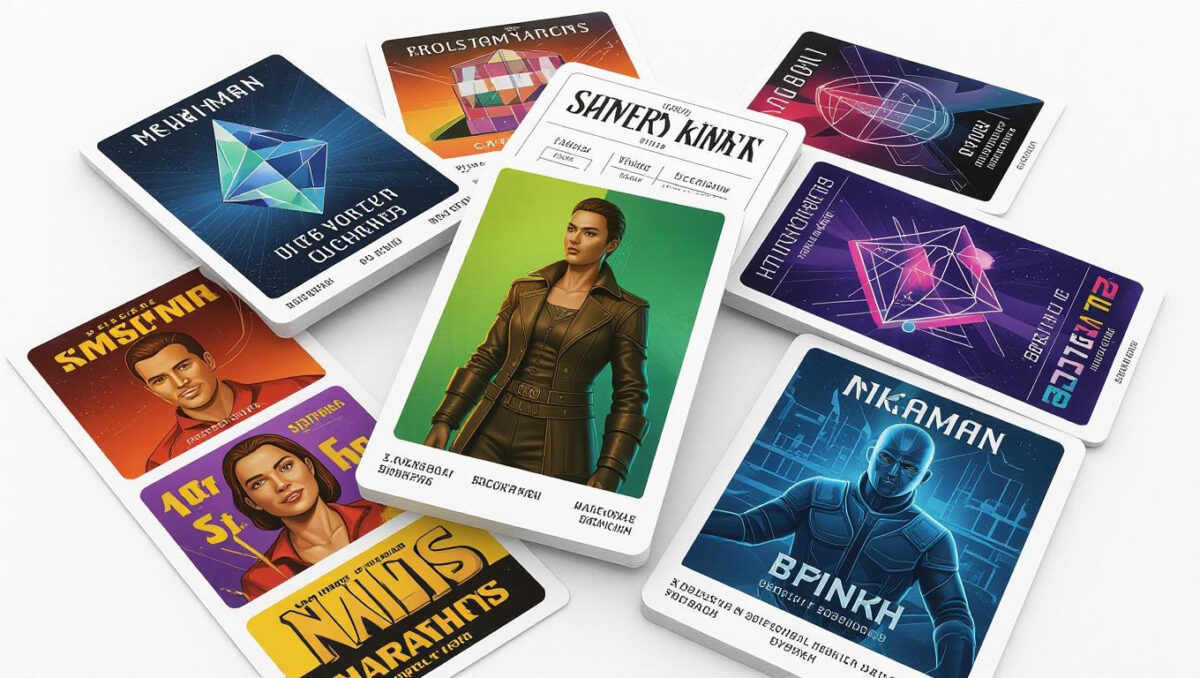
Funko NFT are digital collectibles that bring the iconic Funko Pop! figures into the NFT space. These NFTs are not just digital representations of popular characters but are also part of an exciting new market for fans and collectors. In this blog, we’ll explore the rise of Funko NFTs, what makes them unique, and why they’re becoming a major player in the world of digital collectibles.


What Are Funko NFTs?

1. Funko NFTs: A Digital Twist on Collectibles

Funko NFTs are digital versions of the beloved Funko Pop! figures, which have long been a favorite among collectors. These NFTs are designed as unique digital assets that represent rare, collectible figures from the Funko universe. Just like physical Funko Pop! collectibles, Funko NFTs come in a wide variety of characters, ranging from superheroes to movie icons to TV show characters.

Each Funko NFT is created and sold on the blockchain, providing verifiable ownership, scarcity, and authenticity. Unlike traditional collectibles, which can be duplicated, Funko NFTs cannot be replicated, making them one-of-a-kind pieces of digital art.

2. Funko NFTs: The Intersection of Digital Art and Pop Culture

What sets Funko NFT apart is their ability to bridge the gap between digital art and pop culture collectibles. Funko has long been known for its iconic Pop! figures that have captured the hearts of collectors worldwide. By transforming these figures into NFTs, Funko is giving fans the chance to own exclusive, verifiable digital representations of their favorite characters.

Just as physical Funko Pops have limited editions, certain Funko NFT also come in limited runs, adding to their rarity and value. The scarcity and exclusivity of these NFT collectibles make them highly desirable for fans and investors alike.


Why Funko NFTs Are Gaining Popularity

1. The Rise of Digital Collectibles

The rise of NFTs has transformed the way people collect and invest in digital assets. What was once a niche market for cryptocurrency enthusiasts has now exploded into a mainstream trend, attracting artists, collectors, and investors from all industries. In particular, NFT art, digital fashion, and digital collectibles have become some of the most lucrative sectors in the NFT world.

Funko, being a leader in collectibles, recognized the growing popularity of NFTs and decided to capitalize on the trend by bringing its iconic Pop! figures into the digital space. By doing so, Funko has managed to blend the physical world of collectibles with the digital revolution of NFTs, creating a unique opportunity for fans to own both physical and digital versions of their favorite characters.

Benefits:

  • Ownership verification through blockchain
  • Scarcity driving demand for exclusive digital assets
  • Connection between physical and digital collectible markets

2. Funko’s Established Fanbase

Another reason Funko NFT are quickly gaining popularity is the massive fanbase that Funko has cultivated over the years. The company has created a loyal community of collectors, many of whom already have extensive collections of physical Funko Pop! figures. These fans are eager to expand their collections into the NFT space, especially since Funko has been a well-established name in the pop culture community for years.

By offering Funko NFTs, the company is able to tap into its existing fanbase, giving them a way to engage with the brand in a whole new way. The appeal of owning a digital collectible alongside physical pieces is driving a new wave of collectors eager to invest in digital art.

Benefits:

  • Established brand loyalty and trust
  • Access to an enthusiastic fanbase
  • Opportunity for existing collectors to expand into the NFT space

3. Limited Editions and Exclusive Drops

Like physical Funko Pop! figures, Funko NFTs often come in limited editions and exclusive drops, which increase their rarity and desirability. Funko NFTs are often released in sets or themed collections, with only a certain number of each being available. This creates a sense of urgency and scarcity, making them even more valuable to collectors.

For example, Funko may release an exclusive NFT tied to a new movie release or a special edition NFT that represents a limited number of characters. These limited-edition NFTs drive up the demand, as collectors want to own a unique piece of digital history.

Benefits:

  • Limited availability increasing demand
  • Exclusive drops for collectors and fans
  • Higher resale value for rare NFTs

How to Buy Funko NFTs

1. Setting Up a Digital Wallet

Before you can purchase Funko NFTs, you’ll need to set up a digital wallet that supports NFT transactions. The most popular wallet options for Funko NFT are:

  • MetaMask: A browser-based wallet that supports Ethereum and is commonly used for buying NFTs.
  • Coinbase Wallet: A mobile wallet that integrates seamlessly with NFT marketplaces.

Once you’ve set up your wallet, transfer funds (usually in Ethereum (ETH)) to your wallet so you can purchase Funko NFT from the marketplace.

Benefits:

  • Secure storage of NFTs
  • Easy transaction management across platforms
  • Integration with various NFT platforms

2. Choosing an NFT Marketplace

Funko NFTs can be purchased through various NFT marketplaces, with VeeFriends and WAX being the primary platforms for Funko’s NFT drops. These marketplaces allow you to view, buy, and sell your Funko NFT, just like you would with physical collectibles. Ensure the marketplace supports Ethereum-based transactions, which is commonly used for most NFT purchases.

Benefits:

  • Access to trusted NFT platforms for purchasing collectibles
  • Easy buying and selling of Funko NFTs
  • Opportunity to browse exclusive Funko collections

3. Make Your Purchase

Once you’ve selected the Funko NFT you want to buy, simply confirm your purchase through the marketplace. Your NFT will then be stored securely in your digital wallet, where you can view and manage it whenever you like.

Benefits:

  • Simple purchasing process through trusted platforms
  • Immediate ownership of the NFT upon transaction
  • Ownership verification on the blockchain

Conclusion

Funko NFTs are revolutionizing the collectibles market by bringing the iconic Funko Pop! figures into the digital realm. With the rise of NFTs, Funko has created a bridge between traditional physical collectibles and the growing digital collectible space. Whether you’re a long-time Funko collector or new to the world of NFTs, these digital collectibles offer a unique opportunity to own exclusive, rare items with verifiable ownership on the blockchain.

As the world of NFTs continues to expand, Funko NFT will likely continue to play a major role in shaping the future of digital art, collectibles, and entertainment.


Start Your Funko NFT Collection Today

Ready to start your own Funko NFT collection? Subscribe to our newsletter for more insights on NFT investing and collecting tips, or download our free guide to get started with buying and managing Funko NFTs today!

Bored Ape NFTs: The Rise of Digital Collectibles

Introduction

The world of Non-Fungible Tokens (NFTs) has seen an explosive rise in popularity over the past few years, with several high-profile collections leading the charge. One of the most notable—and valuable—collections in the NFT space is the Bored Ape Yacht Club (BAYC), a series of digital collectibles that has captured the attention of artists, celebrities, and investors worldwide.

In this blog, we will explore the Bored Ape NFT, understand what makes them so valuable, and discuss how they’ve become cultural icons in the world of NFT art. Whether you’re an NFT enthusiast or a potential collector, Bored Ape NFTs offer a glimpse into the future of digital ownership, art, and collectibles.


What Are Bored Ape NFTs?

1. The Concept Behind Bored Ape NFTs

Bored Ape NFTs are a collection of 10,000 unique digital art pieces featuring hand-drawn illustrations of apes. Each Bored Ape is designed with distinct features—such as clothing, accessories, and backgrounds—making them one-of-a-kind. These NFTs are built on the Ethereum blockchain, which ensures that each Bored Ape is a unique, tradable asset with verifiable ownership.

Unlike traditional art, Bored Ape NFTs are programmable assets, meaning they can be used in various digital environments or sold for profit. The collection was created by the developers of Yuga Labs in April 2021 and has quickly grown into one of the most sought-after digital collections in the NFT market.

Benefits:

  • Scarcity and uniqueness increase demand
  • Verified ownership through blockchain technology
  • Programmable art that can be used across different digital platforms

2. Why Are Bored Ape NFTs So Valuable?

The value of Bored Ape NFTs is driven by several factors, which combine artistic appeal with scarcity and social significance:

  • Exclusivity: There are only 10,000 Bored Apes, making each one rare and highly collectible.
  • Celebrity Endorsement: Many high-profile celebrities, such as Eminem, Snoop Dogg, and Paris Hilton, have purchased Bored Ape NFTs, raising the collection’s visibility and desirability.
  • Community and Social Capital: Owning a Bored Ape is often seen as a status symbol, particularly in the NFT and cryptocurrency communities. Additionally, the Bored Ape Yacht Club offers exclusive access to private events and a strong social community for owners.
  • Cultural Phenomenon: Bored Ape NFT have become more than just digital art; they represent a cultural movement. Owners of Bored Apes are considered part of a larger community, with exclusive perks, events, and opportunities for collaboration.

Benefits:

  • High demand due to rarity and celebrity backing
  • Exclusive community perks and access to VIP events
  • Increased value from social and cultural significance

The Rise of Bored Ape NFTs: A Cultural Revolution

1. The Power of Community and Exclusivity

At its core, Bored Ape NFT are about more than just digital art; they are about belonging to a community. BAYC holders get access to exclusive events like private NFT parties and have the chance to meet other high-profile owners. This sense of community has made Bored Apes more than just digital assets; they are symbols of social status and cultural influence.

For example, the Bored Ape Yacht Club hosts real-world events where owners can network, attend parties, and collaborate with other influential figures in the NFT and cryptocurrency space. These community-driven experiences have helped build a strong social fabric around the collection, significantly increasing its appeal and value.

Benefits:

  • Exclusive networking opportunities with influential figures
  • VIP access to events and collaborations
  • Strong community driving brand value and social capital

2. The Role of Celebrities in Promoting Bored Ape NFTs

Celebrities have played a pivotal role in the rise of Bored Ape NFT. Well-known figures from the worlds of music, entertainment, and sports have not only invested in Bored Ape NFTs but have also publicly endorsed them, further driving their cultural relevance.

For example:

  • Eminem purchased a Bored Ape and made headlines by turning it into the cover art for his music video.
  • Snoop Dogg, a vocal advocate for NFTs and cryptocurrencies, has embraced the Bored Ape collection, fueling its popularity in the music and entertainment world.
  • Paris Hilton has joined the movement by purchasing her own Bored Ape and showcasing it on social media.

Celebrity backing has solidified the Bored Ape NFT collection as not just a digital collectible but a cultural phenomenon, pushing its value into the mainstream.

Benefits:

  • Increased visibility through celebrity endorsements
  • Mainstream recognition as a symbol of digital culture
  • Enhanced demand driven by celebrity influence

Investing in Bored Ape NFTs: How to Get Started

1. Where to Buy Bored Ape NFTs

To purchase a Bored Ape NFT, you’ll need to visit a reputable NFT marketplace. The Bored Ape Yacht Club (BAYC) collection is available for purchase primarily on OpenSea, one of the largest and most trusted NFT platforms in the world.

Before you start buying, ensure you have a digital wallet (such as MetaMask or Coinbase Wallet) that supports Ethereum (ETH), the cryptocurrency used for most NFT transactions. Once your wallet is set up, you can browse available Bored Apes and make your purchase directly from the marketplace.

Benefits:

  • Access to a trusted platform like OpenSea
  • Secure transactions with Ethereum-based payment methods
  • Easy management of digital assets via digital wallets

2. Understanding the Price of Bored Ape NFTs

The price of Bored Ape NFTs varies significantly depending on the rarity of the ape, its accessories, and the demand for that particular asset. While some Bored Apes can be bought for thousands of dollars, others, particularly those with unique traits or high-profile owners, can fetch millions.

It’s important to research the collection carefully, understand the market trends, and assess the rarity of the ape you are interested in purchasing. Keep in mind that Bored Ape NFTs tend to appreciate in value over time, so they are seen as both collectible and investment assets.

Benefits:

  • Potential for long-term growth in value
  • Exclusive ownership of rare digital art
  • Resale opportunities at higher prices due to demand

Conclusion

Bored Ape NFT have revolutionized the way we think about digital art, collectibles, and ownership. With their limited supply, celebrity endorsement, and exclusive community benefits, Bored Ape NFTs have quickly become a cultural icon in the world of NFTs. Whether you’re a collector, investor, or simply intrigued by the growing NFT market, owning a Bored Ape NFT offers a unique opportunity to be part of this exciting digital movement.

As the NFT space continues to evolve, Bored Apes will likely remain at the forefront of digital collectibles. Their cultural significance, rarity, and exclusive perks will continue to drive their value and relevance in the coming years.


Start Your Journey with Bored Ape NFTs Today

Ready to become part of the Bored Ape revolution? Subscribe to our newsletter for more insights on NFT investment strategies, or download our guide to get started with purchasing and investing in Bored Ape NFT today!

What’s an NFT? A Beginner’s Guide

Introduction

If you’ve heard the term NFT but aren’t quite sure what it means, you’re not alone. In recent years, NFTs (Non-Fungible Tokens) have taken the world by storm, revolutionizing industries like art, gaming, music, and entertainment. These unique digital assets are changing how people think about ownership, value, and the future of digital content.

In this beginner’s guide, we’ll break down what NFTs are, how they work, and why they’ve become such a hot topic in the world of digital assets. Whether you’re interested in NFT art, gaming, or just curious about this blockchain innovation, this guide will give you everything you need to understand the fundamentals of NFTs.


What is an NFT?

1. Non-Fungible Tokens (NFTs) Explained

At its core, an NFT is a type of digital asset that represents ownership of a unique item, typically using blockchain technology. The key word here is “non-fungible”. In simple terms, non-fungible means that the item is one-of-a-kind and cannot be replaced by something else. Unlike fungible assets, like cryptocurrencies (which are all identical and can be swapped with each other), each NFT is distinct.

For example, if you own an NFT art piece, it cannot be exchanged for any other piece of digital art or asset. The uniqueness and scarcity are what give NFTs their value, much like how rare items in the physical world are valued higher than common goods.

Benefits:

  • Unique ownership of digital content
  • Secure digital proof of authenticity
  • Immutable record on the blockchain

2. How Do NFTs Work?

NFTs are built on blockchain technology, which is the same technology behind cryptocurrencies like Bitcoin and Ethereum. However, unlike cryptocurrencies that are used as a medium of exchange, NFTs are used to represent ownership of a specific digital item.

The most common blockchain for NFTs is Ethereum, although other blockchains like Binance Smart Chain and Solana are also gaining traction. NFTs are typically created (or “minted”) on these blockchains and are stored in digital wallets where owners can view, store, and trade them.

Benefits:

  • Ownership verification on the blockchain
  • Secure transactions and transparent history
  • No middleman for peer-to-peer transactions

Why Are NFTs Becoming So Popular?

1. Digital Ownership and Scarcity

Before NFTs, digital content like images, videos, and music could be easily copied and shared, making it difficult to prove ownership. NFTs solve this problem by creating a unique digital certificate of ownership for each item. This digital ownership has opened up new possibilities for artists, creators, and collectors to monetize their work.

The scarcity of NFTs also plays a big role in their value. Some NFT collections (like the famous Bored Ape Yacht Club (BAYC)) have a limited number of items, making them highly collectible and valuable. This concept is similar to owning a rare collectible in the physical world, like limited-edition artwork or trading cards.

Benefits:

  • Real digital ownership of online assets
  • Scarcity driving up demand for rare NFTs
  • Opportunities for creators to monetize their work

2. NFT Art and Digital Creativity

NFT art has emerged as one of the most popular use cases for NFTs. Artists can create digital artwork and sell it as an NFT, which proves ownership and authenticity. With the rise of NFT art, creators have more freedom to sell their work directly to buyers without relying on traditional art galleries or auction houses.

Famous NFT art sales, such as Beeple’s $69 million NFT, have demonstrated the enormous potential for digital art in the NFT space. As a result, many artists are now exploring the world of NFT art to share their work, connect with fans, and generate income from their creations.

Benefits:

  • Empowerment for artists to sell directly to buyers
  • Ownership and royalties for creators on secondary sales
  • New artistic possibilities with digital mediums

3. NFTs in Gaming and Virtual Worlds

Another growing sector for NFTs is gaming. In many blockchain-based games, players can buy, sell, and trade in-game assets as NFTs. These NFTs can represent characters, items, skins, or even virtual real estate. The use of NFTs in gaming allows players to have true ownership of their in-game assets, which can be traded or sold outside of the game.

For example, in play-to-earn (P2E) games, players can earn NFTs by completing tasks or achieving milestones, which can later be sold on the open market. This has created new economic opportunities within the gaming industry and has introduced new ways for players to invest and profit from their gaming activities.

Benefits:

  • True ownership of in-game assets
  • Play-to-earn mechanics allowing players to monetize their time
  • Increased game value through NFT integration

How to Get Started with NFTs

1. Setting Up a Digital Wallet

Before you can buy or sell NFTs, you’ll need a digital wallet that supports NFTs and cryptocurrencies. Some of the most popular wallet options for NFTs include:

  • MetaMask: A browser-based wallet that allows users to interact with Ethereum-based NFTs.
  • Coinbase Wallet: A mobile wallet that integrates with NFT platforms.
  • Trust Wallet: A multi-asset wallet that supports NFTs on various blockchains.

Once you’ve set up your wallet, you can add funds, usually in Ethereum (ETH), which is the most common cryptocurrency used for NFT transactions.

Benefits:

  • Secure storage of NFTs
  • Easy management of digital assets
  • Seamless integration with NFT platforms

2. Exploring NFT Marketplaces

To buy or sell NFTs, you’ll need to explore NFT marketplaces. Some popular platforms for buying NFTs include:

  • OpenSea: One of the largest NFT marketplaces, offering a vast range of digital art, collectibles, and virtual items.
  • Rarible: A community-owned NFT marketplace that allows artists and creators to mint and sell their work.
  • SuperRare: A curated platform for digital art, featuring high-quality works from top artists.

These platforms allow you to browse, purchase, and trade NFTs with ease.

Benefits:

  • Access to a wide range of NFT collectibles
  • Peer-to-peer transactions with transparent records
  • Opportunities to invest in digital art and assets

3. Buying Your First NFT

After setting up your wallet and choosing a marketplace, you can start browsing and purchasing NFTs. When you find an NFT you like, you can place a bid or buy it directly. The blockchain records the transaction, transferring ownership of the NFT to you.

Benefits:

  • Secure purchasing through blockchain technology
  • Easy ownership transfer via NFT platforms
  • Investment opportunities in digital art and collectibles

Conclusion

NFTs (Non-Fungible Tokens) have quickly become a disruptive force in the world of digital assets. From NFT art to gaming and beyond, NFTs are changing how we think about ownership, value, and creativity in the digital realm. Whether you’re an artist, a gamer, or an investor, NFTs offer exciting opportunities to engage with the digital economy.

As the NFT space continues to grow, now is the perfect time to get involved, explore the world of digital assets, and start building your own NFT collection.


Start Your NFT Journey Today

Ready to dive into the world of NFTs? Subscribe to our newsletter for more tips on getting started, or download our guide to help you buy your first NFT and start building your collection today!

Exploring NFT Artistic Creations: A New Digital Era

Introduction

The rise of Non-Fungible Tokens (NFTs) has brought about a revolution in the art world. Digital artists are now able to create unique, collectible art pieces and sell them as NFTs, providing a new way for artists to monetize their creations and for collectors to invest in digital art. As a result, NFT artistic creations have become one of the hottest trends in the art world, attracting investors, collectors, and digital enthusiasts alike.

In this blog, we will dive into the world of NFT artistic creations, explore how they are shaping the future of digital art, and why investing in NFT art is an opportunity that should not be overlooked.


What Are NFT Artistic Creations?

1. Defining NFT Artistic Creations

An NFT (Non-Fungible Token) is a unique, blockchain-based asset that represents ownership of a digital item, be it art, music, videos, or other types of creative work. In the case of NFT artistic creations, the digital artwork itself is represented by an NFT, which proves ownership and authenticity.

The key to NFT art lies in its scarcity and ownership verification. Each NFT is one-of-a-kind, and its unique ID is stored on the blockchain, making it impossible to replicate or forge. This technology gives digital art the same level of rarity and value as physical art.

2. How NFT Artworks Work

NFTs can represent digital art in a variety of forms, including:

  • Visual art: Digital paintings, drawings, illustrations, 3D art, and animations.
  • Interactive art: Virtual and augmented reality (AR/VR) creations, which are becoming increasingly popular.
  • Generative art: Artwork created using algorithms or computer code, often producing unique pieces with every minting.

When an artist creates a digital art piece, they can mint it as an NFT, putting it on the blockchain, and putting it up for sale. The blockchain records the transaction, making the NFT the definitive ownership record of the digital art.


Why Are NFT Artistic Creations So Popular?

1. A New Way to Own and Sell Digital Art

Before NFTs, digital art was often seen as easily replicable. Anyone could take a screenshot of a digital painting or download a copy of a digital file, making it difficult for artists to prove ownership or sell their work for a premium price. With NFTs, artists can now create and sell unique digital pieces, ensuring they receive credit and compensation for their work.

Benefits:

  • Secure ownership through blockchain technology
  • Verified authenticity of digital artwork
  • Exclusive rights to digital assets

2. Empowering Artists

NFTs have opened up new revenue streams for digital artists. In addition to initial sales, artists can also earn royalties every time their artwork is resold. This is a game-changer for many artists, as it allows them to continue profiting from their work, even after the initial sale.

Benefits:

  • Royalties on secondary sales of the artwork
  • Greater visibility for emerging artists
  • Access to global marketplaces for digital art

3. The Social and Cultural Movement

NFTs have become more than just a way to buy and sell art—they’ve become a cultural phenomenon. High-profile sales, such as Beeple’s $69 million NFT auction, have put NFTs at the forefront of the art world. Collectors are not just buying artwork—they are investing in an idea, a movement, and the future of art.

Communities around NFT art are thriving on social media, with collectors and artists engaging in active discussions, sharing their pieces, and creating new content. This sense of belonging and participation adds significant value to owning NFT art.

Benefits:

  • Cultural movement surrounding NFT art
  • Social engagement through art communities
  • Influencer-driven popularity in the NFT space

How to Buy NFT Artistic Creations

1. Choose the Right NFT Marketplace

To buy NFT art, you need to choose a reputable NFT marketplace. Some of the most popular platforms for purchasing NFT art include:

  • OpenSea: One of the largest and most well-known NFT marketplaces, offering a vast selection of digital art.
  • Rarible: A decentralized platform that allows artists to mint and sell their NFTs directly to buyers.
  • SuperRare: A high-end marketplace that focuses on curated digital art, offering only the best digital art creations.
  • Foundation: A platform that connects artists and collectors, offering exclusive NFT art pieces by invitation only.

Each of these platforms has its own collection of digital art, and you can explore and buy NFTs from different artists and creators.

Benefits:

  • Access to top NFT art collections
  • Diverse NFT marketplace options
  • Secure transactions on reputable platforms

2. Setting Up a Digital Wallet

To purchase NFT art, you will need a digital wallet that supports Ethereum (ETH), the primary cryptocurrency used in most NFT transactions. Popular wallets for buying NFTs include:

  • MetaMask: A browser extension wallet that allows easy interaction with NFT platforms and dApps.
  • Coinbase Wallet: A mobile wallet that integrates seamlessly with NFT marketplaces.
  • Trust Wallet: A mobile wallet that supports Ethereum and other cryptocurrencies.

Once you’ve set up your wallet, you can transfer funds (typically ETH) to it and begin buying NFT art.

Benefits:

  • Secure storage of NFT assets
  • Easy management of NFTs and cryptocurrency
  • Seamless integration with NFT marketplaces

3. Bid or Buy NFT Art

After setting up your wallet and exploring the marketplace, you can place bids on or directly purchase NFT art. Many NFT platforms allow you to either bid on a piece in an auction or buy it immediately at a set price.

When you buy an NFT, you are purchasing the ownership rights to the artwork, and the blockchain records the transaction, marking you as the new owner.

Benefits:

  • Secure purchase process through blockchain
  • Ownership verification with NFTs
  • Immediate access to the digital artwork

The Future of NFT Art

The future of NFT art is incredibly promising. As the technology evolves, we expect to see even more interactive art, augmented reality (AR) experiences, and virtual galleries. NFTs will continue to be a driving force in how art is created, owned, and appreciated in the digital world.

With increasing demand, more artists are entering the space, and more collectors are looking for unique, rare, and valuable digital art to add to their portfolios. The NFT art market is poised for significant growth, and it’s an exciting time to get involved.


Conclusion

NFT artistic creations have transformed the art world, allowing digital artists to reach a global audience, earn royalties, and gain recognition for their work. As NFTs continue to gain traction, the future of digital art looks bright, offering endless possibilities for both creators and collectors. Whether you’re an artist looking to mint your own NFTs or a collector seeking the next masterpiece, NFT art offers a new way to engage with the art world and invest in digital assets.


Start Collecting NFT Art Today

Ready to explore the world of NFT art? Subscribe to our newsletter for more insights on NFT investment strategies, or download our free guide to get started with buying and investing in digital art today!

Can Data Science Help You Spot Undervalued NFTs?

Doesn’t the NFT market feel like a wild, unpredictable ride? It does, if you only look at the surface. But beneath all the noise and hype is a clear, reliable signal: data. Most people are simply chasing whatever’s trending or picking art they think looks cool. But a smart group of investors is doing something radically different: they’re treating NFTs like a science project, not a casino. They’re using NFT data science to pore over blockchain records, figure out who’s buying what, and spot ownership shifts. 

This lets them snag undervalued NFTs before the rest of the world knows they exist. Basically, they’re turning digital art investment from a guess into a highly informed bet. 

In this article, we’ll show you how data science uncovers those hidden treasures, tell you exactly which numbers you need to track to value an NFT, and look at the powerful new tools built on blockchain analytics that are shaking up digital asset investing.

The Challenge of NFT Valuation

Unlike stocks or property, NFTs don’t have clear intrinsic value. Their worth comes from factors like artist reputation, community strength, rarity traits, and recent hype cycles. Yet, these factors are volatile and easily manipulated.

Here’s why NFT pricing models are so complex:

Subjective appeal: Aesthetics and personal preference still influence price.

Illiquid markets: Not all NFTs are frequently traded, making price discovery difficult.

Market manipulation: Wash trading and artificial scarcity distort real demand.

Lack of standardization: Each project defines rarity and utility differently.

Data science offers a solution: turn subjective art into objective insight.

Also See: Monkey NFTs: Everything You Need to Know About

What Is NFT Data Science?

NFT data science applies statistical models, algorithms, and machine learning to blockchain data. Instead of relying on hype, it focuses on measurable indicators of value.

This includes:

Transaction analysis: Tracking wallet activity, average holding time, and buying clusters.

Rarity scoring: Comparing traits across a collection to identify outliers.

Pricing patterns: Mapping historical sales to detect undervalued listings.

Sentiment analysis: Using AI to gauge community emotions from social platforms.

Predictive modeling: Estimating future floor prices based on data correlations.

By combining these insights, data scientists can highlight NFTs priced below their likely market value.

How Data Science Spots Undervalued NFTs

what is undervalued NFTs

Let’s break down how NFT analytics works in practice.

1. Rarity Meets Reality

Every NFT project has “rare” traits but rarity alone doesn’t guarantee value. Data scientists analyze how rarity interacts with actual sales data.

For example:

  • If a rare trait consistently sells below the average price, it might be undervalued.
  • If common traits perform unusually well, it signals community preference trends.

Tools like RaritySniper or TraitSniper apply this logic to collections, but advanced NFT insights platforms go further by adding context like who’s buying, when, and why.

2. Ownership Patterns

Blockchain records reveal wallet behavior. Long-term holders, “diamond hands,” often signal conviction and community health. If a project shows strong holder retention but temporary price dips, data models may flag it as undervalued.

AI-driven tools assess:

  • Holder concentration (whales vs. retail investors)
  • Average holding duration
  • Wallet overlap across successful projects

These metrics create a behavioral fingerprint for each NFT ecosystem.

3. Volume and Momentum Analysis

Data science identifies patterns that human intuition might miss. Using NFT predictions, analysts track spikes in trading volume before major news or collaborations.

A sudden rise in on-chain activity can foreshadow value shifts. Models similar to those used in crypto analytics detect early signals like volume surges, new wallets interacting, or liquidity inflows that precede a price breakout.

4. Network Graphs and Influence Mapping

NFTs aren’t isolated assets; they live within communities. Blockchain analytics can visualize relationships between buyers, sellers, and influencers.

If a cluster of known “smart money” wallets like those with a history of profitable trades starts accumulating a project, data alerts investors before social media catches on.

This turns market visibility into measurable, actionable intelligence.

Key Metrics for Evaluating Undervalued NFTs

For data scientists, undervalued doesn’t mean cheap, it means mispriced relative to potential. The following metrics help pinpoint true value:

MetricDescriptionWhy It Matters
Floor Price DeviationHow far a listing is below the collection’s averageIndicates short-term undervaluation
Trait Rarity CorrelationRelationship between rarity score and sale priceHighlights undervalued rare items
Wallet Holding StrengthHow long top holders retain NFTsReflects long-term belief
Transaction MomentumSpeed and volume of recent salesPredicts near-term interest
Social Sentiment IndexCommunity tone from Twitter, Discord, RedditAnticipates market behavior
Historical ROI CurveReturn patterns across similar projectsProjects potential future performance

By blending these metrics, NFT analytics platforms like Nansen, Icy Tools, or Dune Analytics provide dashboards that simplify data for investors without coding expertise.

The Role of Machine Learning in NFT Valuation

Machine learning turns raw blockchain data into predictive intelligence.

Here’s how it works

Feature extraction: Models identify variables like rarity, sales velocity, and holder demographics.

Pattern recognition: Algorithms detect trends in price movements or community growth.

Prediction modeling: Systems estimate which NFTs are likely to rise in value.

For example, a data-driven NFT model might flag a collection where low-floor assets have begun trading more frequently than rare ones suggesting upward movement across the board.

This predictive power gives investors an edge in timing entries and exits, much like algorithmic trading in traditional finance.

Benefits of Data Science for NFT Investors

what is NFT analytics

1. Objective Decision-Making

Emotion drives markets but emotions can mislead. Data science anchors decisions in evidence, not hype.

2. Early Discovery

By detecting undervalued assets before public attention spikes, investors gain a first-mover advantage.

3. Portfolio Optimization

Data-driven insights help diversify NFT holdings across high-probability projects instead of speculation.

4. Fraud and Risk Detection

AI models identify suspicious wallet activity, wash trading, or fake volume, reducing the risk of scams.

5. Long-Term Market Understanding

Over time, data patterns reveal how communities evolve and which utilities sustain value, refining future strategies.

The Limitations of NFT Data Science

Even the smartest models have blind spots:

Emotional drivers: Culture, memes, and sentiment can override logic.

New project volatility: Limited data makes early predictions unreliable.

Data quality: Not all platforms track or clean blockchain data consistently.

Model bias: Algorithms reflect the assumptions they’re trained on.

That’s why NFT analytics should guide, not replace, human judgment. Combining technical insight with creative intuition remains the winning formula.

The Future of NFT Analytics

As the NFT market matures, data science will evolve beyond rarity charts into full-fledged valuation ecosystems. Here’s what’s next:

Cross-Chain Data Integration: Analytics that compare assets across Ethereum, Polygon, Solana, and beyond.

Behavioral NFT Models: Predicting buyer intent based on wallet interaction patterns.

Emotional Value Metrics: Using AI to measure how narratives and aesthetics impact price over time.

Decentralized Valuation Protocols: Open-source models where communities collectively assess NFT worth.

The future of digital asset valuation will blend science, psychology, and community dynamics into a new kind of financial literacy.

FAQ: NFT Data Science

Can data science guarantee profitable NFT picks?

No. It improves probabilities, not certainties. Market sentiment still plays a major role.

Are data tools expensive?

Many NFT analytics tools offer free or freemium tiers. Advanced ones, like Nansen or Dune, use subscription models.

Which blockchain has the most NFT data for analysis?

Ethereum remains dominant, but tools increasingly support Solana, Polygon, and Avalanche.

What skills are needed to use NFT data science effectively?

Basic data literacy helps, but many tools provide visual dashboards for non-technical users.

Conclusion

The world of NFTs, notorious for its unpredictability, is finally getting a dose of clarity thanks to data science. Through sophisticated tools like blockchain analytics and machine learning, investors now have a way to cut through the noise: they can identify undervalued assets, accurately measure their risk exposure, and build a much smarter investment strategy. 

Looking ahead, the next great phase of NFT investing will be defined by how well we merge the rigor of data with the subtlety of human intuition. Investors who can effectively interpret the data woven into the artwork itself will be the ones leading the market, not just following the crowd.

Monkey NFTs: Everything You Need to Know About

Introduction

The NFT (Non-Fungible Token) space has rapidly expanded into a digital art and collectibles ecosystem, where unique items are bought, sold, and traded across the blockchain. One of the most prominent trends in the world of NFTs is the rise of Monkey NFTs—a collection of digital assets featuring artistic depictions of monkeys, often with vibrant designs and unique characteristics.

Monkey NFTs have become an integral part of the NFT community, with various projects and collections driving both popularity and profitability. In this blog, we will dive into the world of Monkey NFTs, explore their origins, why they have garnered attention, and how you can get involved in this exciting trend.


What Are Monkey NFTs?

1. The Concept Behind Monkey NFTs

Monkey NFTs are digital collectibles that feature artistic renditions of monkeys, often designed in a variety of unique and stylized ways. These NFTs are often created as part of larger NFT collections, with each monkey being a one-of-a-kind, non-replicable digital asset. Much like other NFTs, Monkey NFTs are stored on the blockchain, making them immutable and secure.

Monkey NFTs are popular for several reasons:

  • They feature eye-catching designs and vibrant colors.
  • They are often part of larger collections that offer varying levels of rarity.
  • They represent exclusive ownership of a piece of digital art that cannot be copied or reproduced.

Some of the most well-known Monkey NFT collections include the Bored Ape Yacht Club (BAYC), which has gained significant attention in the NFT market.

Benefits:

  • Unique digital collectibles with artistic flair
  • Increased market interest and value due to exclusivity
  • Ownership and scarcity of one-of-a-kind digital assets

2. Why Are Monkey NFTs So Popular?

The popularity of Monkey NFT can be attributed to several key factors:

  • Celebrity Endorsements: Many high-profile celebrities and influencers have publicly embraced Monkey NFTs, particularly those from the Bored Ape Yacht Club (BAYC). These endorsements have helped generate significant demand for these NFTs.
  • Community Engagement: Monkey NFT collections, especially those tied to BAYC, often come with exclusive community benefits, such as access to special events, parties, and networking opportunities for owners. This creates a sense of belonging and community around these digital assets.
  • Limited Supply: Much like traditional collectibles, the scarcity of Monkey NFTs contributes to their value. Collections often feature a limited number of NFTs, making them rare and sought after by collectors.

Benefits:

  • Celebrity influence and public recognition driving demand
  • Exclusive community perks and networking opportunities
  • Limited editions creating a sense of rarity and value

How to Invest in Monkey NFTs

1. Choosing the Right Marketplace

To invest in Monkey NFTs, you’ll need to choose an NFT marketplace. Some of the most popular platforms where you can find Monkey NFTs include:

  • OpenSea: One of the largest NFT marketplaces, OpenSea features a wide variety of Monkey NFT collections, including Bored Ape Yacht Club (BAYC) and other trending projects.
  • Rarible: Another popular marketplace for NFTs, Rarible allows you to buy and sell Monkey NFT from various collections.
  • SuperRare: Known for its high-quality digital art, SuperRare offers rare and collectible Monkey NFTs from well-known artists.

Each of these platforms allows you to purchase Monkey NFTs using cryptocurrency, typically Ethereum (ETH).

Benefits:

  • Access to large, reputable platforms for NFT purchases
  • Secure, blockchain-backed transactions
  • Ability to buy and sell NFTs easily on the marketplace

2. Evaluating Monkey NFT Projects

Before purchasing a Monkey NFT, it’s important to evaluate the project behind it. Look for the following factors:

  • Creator and Artist Reputation: The reputation of the artist or creator behind the Monkey NFT can affect its value. Well-known artists and popular collections tend to have higher demand.
  • Scarcity and Rarity: Some Monkey NFT collections may feature rare and limited-edition items that are more valuable due to their scarcity. Assess the number of NFTs available and how rare the specific token is within the collection.
  • Community and Perks: Projects like Bored Ape Yacht Club (BAYC) offer exclusive perks to NFT owners, such as access to private events and community benefits. Ensure that the project offers engagement opportunities for holders.

Benefits:

  • Strategic purchasing based on project credibility
  • Higher resale value for rare or exclusive items
  • Community engagement enhancing the overall experience

3. Storing Your Monkey NFT

Once you’ve purchased your Monkey NFT, you’ll need to store it in a secure digital wallet. Popular wallet options include:

  • MetaMask: A widely-used browser extension wallet that allows users to manage their Ethereum-based assets, including Monkey NFT.
  • Coinbase Wallet: A mobile wallet that supports NFT storage and management on Ethereum.

Make sure to choose a secure wallet that gives you full control over your NFTs, ensuring that your investment is safe.

Benefits:

  • Secure storage of NFTs in a non-custodial wallet
  • Easy management of assets across different wallets
  • Control over your NFT assets without relying on third-party platforms

Potential Value of Monkey NFTs

The value of Monkey NFT is driven by several factors, including their rarity, demand, and community involvement. As with any collectible, their value may fluctuate based on market trends, celebrity endorsements, and project developments.

The Bored Ape Yacht Club (BAYC), for example, has seen its NFTs increase in value over time, with some selling for millions of dollars. Other Monkey NFT projects may also see significant price increases as the NFT market continues to grow.

Benefits:

  • Potential for high returns on investment if the NFT appreciates in value
  • Scarcity and unique traits contributing to higher prices
  • Celebrity-driven demand driving up the value of limited-edition NFTs

Conclusion

Monkey NFTs have become an exciting and highly sought-after segment of the NFT market. With their unique artistic designs, limited supply, and strong community engagement, these digital assets have established themselves as valuable collectibles. Whether you’re a seasoned NFT collector or a newcomer, Monkey NFTs provide a unique opportunity to invest in digital art and engage with the growing NFT community.

By understanding the market, choosing the right NFT projects, and evaluating the rarity and perks of each token, you can position yourself for success in the ever-evolving world of NFTs.


Get Started with Monkey NFTs Today

Ready to dive into the world of Monkey NFTs? Subscribe to our newsletter for more insights on NFT investment strategies, or download our guide to help you get started with buying and investing in NFT collectibles today!

What is a Treasure NFT and Why Should You Invest?

Introduction

In the rapidly evolving world of NFTs (Non-Fungible Tokens), a new trend is emerging that’s grabbing the attention of collectors and investors alike: Treasure NFTs. These digital treasures are unique, valuable tokens that combine the thrill of NFT collectibles with the potential for long-term profit. Whether you’re new to NFTs or an experienced investor, understanding what Treasure NFTs are and how they can benefit you is crucial for navigating the growing NFT space.

In this blog, we will explore the concept of Treasure NFTs, their increasing popularity, and why they’re becoming a must-have in the world of digital assets.


What is a Treasure NFT?

1. Defining Treasure NFTs

Treasure NFTs are a unique category of digital assets that typically represent rare or collectible items, often tied to exclusive events, games, or digital ecosystems. Unlike traditional NFTs, which may represent digital art or music, Treasure NFTs are often designed to have an inherent scarcity or rarity that drives their value.

These NFTs can be linked to:

  • Treasure hunts in virtual worlds or games.
  • Exclusive digital assets such as rare items, avatars, or collectibles.
  • Gaming ecosystems where players unlock rewards or special tokens.

Treasure NFTs often derive their value from the story behind them or their connection to specific virtual economies. They can represent anything from virtual artifacts in a blockchain-based game to collectible treasures created by artists or communities.

2. Characteristics of Treasure NFTs

What makes a Treasure NFT so special? These tokens typically have the following characteristics:

  • Scarcity: There is a limited supply, making them highly sought after by collectors.
  • Collectibility: Many Treasure NFTs are tied to larger ecosystems, like games or social platforms, where owning one may grant access to exclusive content or events.
  • Inherent Value: These NFTs often come with an associated utility. For example, owning a Treasure NFT could unlock rare rewards, future benefits, or even investment opportunities.
  • Rarity and Uniqueness: Each Treasure NFT is usually one-of-a-kind, or at most part of a small, limited set, making it highly desirable to collectors.

Why Should You Invest in Treasure NFTs?

1. Growing Popularity of NFTs

The NFT market has exploded over the past few years, and Treasure NFTs are quickly becoming one of the most talked-about segments in the market. With big-name celebrities, artists, and investors diving into the NFT space, the value of rare and collectible NFTs is steadily increasing. As the market matures, Treasure NFTs are expected to see significant appreciation in value, particularly for those tied to established gaming ecosystems or exclusive events.

Benefits:

  • Increased exposure as NFTs gain traction in mainstream media
  • Rising market value for rare and limited-edition collectibles

2. Limited Supply and Scarcity

One of the driving factors behind the value of Treasure NFTs is their scarcity. Just like rare physical collectibles, Treasure NFTs are often issued in limited quantities. Their limited supply makes them more desirable to collectors and investors alike.

For example, only 100 limited edition Treasure NFTs may be available for purchase in a specific game or art collection, making them highly coveted. The rarity of these NFTs increases their demand, especially as more people enter the NFT space looking for unique assets.

Benefits:

  • Exclusivity makes these NFTs highly sought after
  • Potential for high resale value as demand increases

3. Connection to Digital Ecosystems

Treasure NFTs are often integrated into larger digital ecosystems like virtual games, digital worlds, or NFT platforms. This connection enhances the utility of these tokens and increases their inherent value. For example, a Treasure NFT might give you special access to a rare in-game item or an exclusive event. The more integrated these NFTs are into digital experiences, the higher their perceived value.

Example: In some blockchain-based games, owning a Treasure NFT could provide players with a competitive edge, exclusive in-game assets, or a long-term passive income through play-to-earn mechanics.

Benefits:

  • Increased utility through digital ecosystems
  • Exclusive access to virtual worlds, rewards, and experiences

4. Profit Potential

Many investors are drawn to Treasure NFTs for their profit potential. As the NFT market grows, rare and collectible items are likely to increase in value, leading to potential profits for those who purchase early and hold on to their treasures. This capital appreciation is one of the most attractive aspects of investing in Treasure NFTs, as some investors have already seen huge returns on their investments.

For example, owning a Treasure NFT tied to a popular gaming platform or art project could be profitable if the project becomes more mainstream and in-demand. The scarcity and limited editions of such NFTs ensure that their value can appreciate over time, making them a potentially lucrative investment.

Benefits:

  • High resale value for rare and exclusive NFTs
  • Potential for significant profits as the market matures

5. The Rise of NFT Communities and Collaboration

Many Treasure NFTs are tied to strong online communities and collaborative ecosystems. As NFTs become more embedded in the digital culture, owning a Treasure NFT may also provide access to exclusive groups, events, and collaborations. These communities often add a layer of social value to Treasure NFTs, making them even more desirable to collectors and investors who want to be part of something bigger.

Benefits:

  • Access to exclusive communities and events
  • Increased social value in NFT ownership
  • Networking and collaboration with other collectors

How to Get Started with Treasure NFT Investments

1. Choose the Right Platform

To get started with Treasure NFTs, you’ll first need to find a reliable NFT marketplace. Platforms like OpenSea, Rarible, and SuperRare allow users to buy, sell, and trade NFTs. When selecting a marketplace, make sure it supports Treasure NFTs and offers secure transactions.

2. Research and Evaluate Potential Treasures

Before investing, take time to research Treasure NFTs from reputable creators or projects. Look for NFTs with strong community backing, utility, and proven scarcity. Many platforms provide tools and insights to help you assess the rarity and value of potential NFT investments.

3. Monitor Market Trends

NFT trends can shift quickly, so it’s important to keep an eye on the market. Follow NFT news, track sales trends, and watch for popular projects that are launching new Treasure NFTs. This will give you an edge in spotting valuable NFTs early.


Conclusion

Treasure NFTs represent a new and exciting way to invest in digital assets. With their scarcity, unique value propositions, and potential for profit, these NFTs are becoming increasingly popular among collectors and investors alike. Whether tied to gaming, art, or exclusive digital collectibles, Treasure NFTs provide an opportunity to own a piece of the digital future.

By understanding what makes Treasure NFTs valuable and learning how to evaluate them, you can make informed investment decisions and potentially see substantial returns. As the world of NFTs continues to grow, Treasure NFTs will undoubtedly be at the forefront of this exciting digital revolution.


Start Your Treasure NFT Journey Today

Interested in investing in Treasure NFTs? Subscribe to our newsletter for more insights, tips, and NFT market updates, or download our free guide to help you get started in the world of digital treasures today!

The Neuroscience of Digital Ownership: Why NFTs Matter

Remember when everyone thought NFTs were just a fad? Headlines were all about hype and speculation, but beneath the noise, something more profound was at play: the human brain’s relationship with ownership or NFT psychology.

Why do we care about digital items we can’t even touch? Why do these tokens hold a value far beyond their pixels? The answer lies in neuroscience and psychology. 

Our brains are wired to assign emotional value to symbols, memories, and possessions. NFT psychology taps into these traits, explaining why people form attachments to digital collectibles, why these marketplaces are booming, and why savvy investors still see a future in them.

In this article, we’ll dive into the neuroscience of NFTs.

Let’s start.

What Does Digital Ownership Mean?

Ownership isn’t just a legal term. In the brain, it’s an emotional process. When you own something like a car, a book, or a digital token, your brain marks it as part of your identity.

With NFTs, ownership becomes digital yet personal. Instead of holding a painting, you own a token that proves the painting is yours. Neuroscience shows that this proof triggers the same pride, security, and self-extension as physical property.

This is where blockchain identity matters. Your wallet becomes your vault. The NFTs inside it represent status, taste, and personal history. To outsiders, they’re data. To the brain, they’re part of you.

Also See: The Chemistry of NFTs in Materials Science in Digital Tokenization

The Neuroscience Behind Ownership

about  neuroscience NFTs

Why do NFTs feel valuable, even if they’re intangible? Let’s look at how the brain works.

The Endowment Effect

Humans overvalue what they own simply because it’s theirs. This is called the endowment effect. Once an NFT enters a wallet, its worth often grows in the owner’s mind, regardless of market price.

For example, NBA Top Shot collectors often refused to sell their highlight clips even when offers exceeded their purchase price. Why? The moment those clips entered their wallets, they felt more valuable than the market suggested.

Memory Links

Possessions connect to memories. A signed ticket reminds you of a concert. An NFT can act the same way. These NFT memory links create emotional anchors. A digital collectible tied to an event, game, or community becomes a trigger for personal nostalgia.

For example, music NFTs on platforms like Royal allow fans to own a share of a song. Years later, listening to that track will recall not only the music but also the pride of ownership.

Dopamine and Reward Systems

Buying an NFT lights up reward circuits in the brain. The uncertainty of bidding or minting mimics gambling behavior. This explains why NFT user behavior often shows bursts of activity around launches or auctions.

Take Bored Ape Yacht Club’s early mints. People stayed up through the night, refreshing screens, waiting for the reveal. The dopamine rush wasn’t only about owning the ape. It was about the thrill of the unknown.

Social Identity

Humans seek belonging. NFTs become signals of community membership. A profile picture NFT isn’t just an image. It’s a badge that says, “I’m part of this group.”

This explains why BAYC members flaunt their apes on Twitter or Instagram. To outsiders, it’s art. To owners, it’s a tribe.

Why Emotional Value Matters in NFTs

For many, NFTs aren’t about flipping for profit. They’re about emotional value. Owning an NFT from a favorite artist feels like holding a piece of their world. Collectors describe it as closeness, even intimacy.

For instance, Beeple’s “Everydays” didn’t sell for $69 million only because of scarcity. Buyers valued it as a cultural artifact, linked to years of digital art consistency. The purchase symbolized identity and history, not just investment.

Brands and marketplaces now lean on this. By creating drops with story and meaning, they tap into deeper motivation. It’s not only about scarcity. It’s about emotional connection.

This is why NFT marketplace trends show growing focus on storytelling, gamified ownership, and community-driven rewards.

NFT Investor Behavior Through a Neuroscience Lens

what is blockchain identity

Not all NFT buyers think alike. Understanding NFT investor behavior requires blending market analysis with psychology.

Short-Term Traders chase dopamine spikes. They thrive on fast bids, flipping assets, and the thrill of auctions. Think of the early days of Pudgy Penguins, where traders flipped for profit within hours.

Collectors buy for meaning. They value memory links and cultural significance. 

Identity Builders use NFTs as extensions of self. BAYC, Doodles, and Azuki owners fit this group, where the token is as much about social proof as it is about value.

By understanding these profiles, platforms can tailor experiences and build loyalty.

The Role of NFT Marketplaces in NFT psychology

NFT platforms are not just shops. They’re designed environments that guide human psychology.

  • Scarcity Mechanics: Limited editions push urgency like NBA Top Shot drops.
  • Auction Dynamics: Bidding triggers competitive drive.
  • Social Visibility: Leaderboards and badges strengthen group identity (OpenSea’s trending boards).
  • Storytelling Layers: Narrative-rich drops strengthen emotional value (World of Women weaving empowerment stories into NFTs).
  • Smart platforms are already adapting psych NFT investing principles treating ownership as more than a transaction.

Also See: Are Green NFTs Real or Just Rebranded Hype?

NFT Memory Links in Action

Think of a childhood toy. Even if it’s gone, the memory stays powerful. NFTs replicate this effect digitally. When a person buys an NFT, their brain ties that digital object to the context in which it was acquired like the time, the community, the emotions involved. For example: 

  • An NFT bought during a historic sporting event can lock that memory into digital form. 
  • A digital artwork linked to a major life event, like graduation or marriage, creates a memory anchor. 
  • Communities tied to NFTs, such as gaming guilds or art circles, reinforce collective memory. 

These NFT memory links explain why owners are reluctant to sell, even when offered high prices. The NFT has become a memory container, not just a financial asset.

The Future of NFT psychology 

The intersection of psychology, neuroscience, and blockchain is still unfolding. Here’s what’s ahead:

1. Personalized Ownership Journeys

AI and behavioral data will track NFT user behavior, recommending tokens based on emotional fit, not just investment value.

2. Emotional-First Marketplaces

Marketplaces will lean more on memory triggers, nostalgia design, and social signaling. Imagine platforms curating NFTs based on your life events, not just wallet history.

3. Deeper Identity Integration

NFTs will link to avatars, metaverse presence, and blockchain identity, merging online and offline self. Think of gaming skins that also double as metaverse ID cards.

4. Long-Term Retention

Platforms will design loyalty through psychology, making NFTs less about quick flips and more about lifelong connection. Expect NFT loyalty systems blending ownership with long-term rewards.

Conclusion

NFTs are not only about technology. They are about psychology. The brain responds to digital ownership much like physical possession. Emotional value, memory links, and identity shaping drive their importance.

As neuroscience NFTs research grows, we’ll see better insights into NFT psychology, guiding how marketplaces design experiences. 

FAQ – NFT psychology

Why do people feel attached to NFTs?

Because the brain treats digital ownership like physical ownership. Emotional and memory systems link value to possession.

Are NFTs just speculation?

No. While speculation exists, many users buy NFTs for meaning, status, and memory.

What drives NFT marketplace trends?

Scarcity, social signaling, and emotional storytelling drive engagement and retention.

How does neuroscience shape NFT investing?

By explaining why people value digital assets, it helps predict NFT investor behavior and design better platforms.

Are Green NFTs Real or Just Rebranded Hype?


Introduction

NFTs exploded. Then they got roasted, for wrecking the planet. Every mint, bid, and transfer on early NFT platforms came with a carbon footprint that critics compared to plane rides and power plants.

But now we’re hearing something new: “Green NFTs.
Platforms are switching blockchains, artists are going carbon-neutral, and the phrase “eco-friendly NFT” is popping up everywhere. It sounds good, but is it true?

In this blog, we’ll unpack what makes an NFT “green,” which platforms are walking the talk, and whether this whole thing is a sustainability pivot or just another marketing ploy.


Why NFTs Got So Much Heat in the First Place

NFTs aren’t inherently bad for the environment. But the blockchains they rely on can be. Here’s the issue:

Most early NFT transactions were hosted on Ethereum. Until 2022, Ethereum used proof of work (PoW) to validate transactions. That process is:

  • Energy-intensive
  • Hardware-hungry
  • Comparable to running a small nation in terms of electricity

According to one estimate, a single NFT minted on Ethereum pre-merge could generate over 200 kg of CO₂, the same as a two-hour flight.

ALSO READ


The Ethereum Merge Changed the Game

In 2022, Ethereum finally transitioned from proof of work to proof of stake (PoS). This move:

  • Reduced its energy use by 99.95%
  • Slashed carbon emissions almost entirely
  • Set a precedent for other blockchains to follow

This wasn’t just a software update, it was a turning point for sustainable blockchain tech. Post-merge, Ethereum is no longer the environmental villain it once was.

But that still leaves one big question…


Are Today’s NFTs Actually Eco-Friendly?

That depends on where, and how, they’re minted.

✅ Eco-Friendly Blockchains

Some platforms were built from the ground up with sustainability in mind. These include:

  • Tezos – PoS-based, low energy use, widely adopted by digital artists
  • Polygon – Layer 2 Ethereum scaling solution, much lower carbon cost
  • Solana – Fast, efficient, and uses a hybrid proof system
  • Algorand – Carbon-negative by design (offsets more than it emits)

All of these blockchains consume just a fraction of what Bitcoin or pre-merge Ethereum required.

✅ Carbon Offset Initiatives

Some NFT platforms are now offering built-in carbon offsets:

  • Aerial lets creators auto-offset emissions when minting
  • OneOf claims to be a “green NFT platform” with 0 gas fees and music-focused drops
  • Voice runs on EOSIO and touts itself as 100% eco-friendly

Offsetting is a step, but it’s not a solution. Critics argue that carbon offsets are easy to game and hard to verify. You can’t plant a tree today and erase yesterday’s emissions.


Where Greenwashing Creeps In

The phrase “eco-friendly NFT” has no regulatory standard. Anyone can slap it on a project and call it a day.

Here’s what to watch out for:

  • No Proof of Offset – If a platform claims to be carbon-neutral but doesn’t show how, be skeptical
  • Still Using PoW Chains – If you’re minting on Bitcoin or old PoW forks, it’s still energy-hungry
  • Offset as Excuse – Some projects overmint and oversell while hiding behind the “we offset it” label

So while some NFT platforms are taking real steps toward sustainability, others are just slapping a green label on a black box.


Real Examples of Green NFT Efforts

🌍 World of Women on Polygon

This women-led NFT project migrated to Polygon to reduce emissions and lower minting fees. Their environmental messaging aligns with actual tech choices.

🖼 CleanNFTs Initiative

A community of artists and developers advocating for energy-efficient minting, primarily on Tezos and Algorand.

🎵 Doja Cat’s NFT Drop on OneOf

An early celebrity adoption of a low-carbon NFT marketplace. While commercial, it brought attention to greener alternatives.


Can NFTs Ever Be Truly Sustainable?

The short answer: Not yet. But they can become more sustainable. Here’s how:

✅ Broader Adoption of PoS

The more platforms ditch PoW, the better. Ethereum showed it’s possible. Others should follow.

✅ Smarter Minting Practices

Lazy minting (where the NFT isn’t created until sold) can drastically cut waste. Batching transactions also helps reduce chain congestion.

✅ Transparency from Projects

Creators and platforms should disclose emissions, offsets, and blockchain choices. Without that, “green NFT” means nothing.

✅ Community Pressure

Buyers should reward platforms that actually reduce emissions, not just offset them. Demand transparency. Ask for receipts.


FAQs

1. Are NFTs still bad for the environment in 2025?
No, not in the way they used to be. With Ethereum’s shift to proof of stake and the rise of green platforms, many NFTs now have a much smaller footprint. But transparency still matters.

2. What makes an NFT “eco-friendly”?
It should be minted on a low-energy blockchain like Tezos or Polygon, and ideally backed by real data on emissions and offsets. Avoid platforms that don’t show their environmental impact.

3. Do carbon offsets actually make NFTs sustainable?
Offsets help, but they’re not a fix-all. A project that mints irresponsibly and slaps on offsets is still creating avoidable emissions.


Want to get Things Going?

Don’t fall for the green sticker.
Whether you’re a collector, creator, or investor, ask where your NFTs live, how they’re minted, and what’s being done to cut their impact. Sustainability in Web3 starts with smarter choices.


How Quantum-Resistant Cryptography Could Secure NFT Ownership

NFTs have revolutionized how we trade digital art, gaming assets, and intellectual property. But quantum computers could soon challenge NFT ownership. That’s where  quantum NFT security comes in. As quantum technology grows, blockchain cryptography faces risks from powerful algorithms that could crack standard encryption. 

In this article, let’s see how quantum-resistant cryptography protects NFTs through secure NFT protocols and post-quantum blockchain. 

What is Quantum-Resistant Cryptography?

Quantum-resistant cryptography, also called post-quantum cryptography, is a branch of cryptographic science focused on building algorithms that can’t be broken by quantum computers.

Traditional public-key encryption like RSA and ECC is secure today but vulnerable to quantum attacks. Algorithms like Shor’s can crack them in a fraction of the time.

Post-quantum cryptography doesn’t rely on problems that quantum computers can solve quickly. Instead, it uses complex structures like:

  • Lattice-based cryptography
  • Hash-based signatures
  • Multivariate polynomial problems

These methods aim to keep data like NFTs safe in a post-quantum world.

Why NFTs Are at Risk in a Quantum World

about quantum computing NFTs

NFTs are stored on blockchains, which use cryptographic techniques to ensure:

  • Ownership authenticity
  • Transaction integrity
  • User anonymity

However, most blockchains use elliptic curve cryptography (ECC), which is vulnerable to quantum attacks. If someone with a quantum computer targets a wallet address, they could potentially:

  • Reveal the private key behind it
  • Transfer NFTs without permission
    Fake ownership or tamper with provenance records

Now this would upend trust in NFT ownership and the decentralized economy.

Quantum Computing and NFTs: A Collision Course

Let’s break down how quantum computing intersects with NFTs:

AspectCurrent Risk
Ownership AuthenticationQuantum computers can expose wallet private keys
Transaction SecuritySmart contracts could be compromised
NFT StorageMetadata stored on centralized servers is vulnerable, with or without quantum
InteroperabilityCross-chain protocols may not support quantum-safe encryption

As we move toward mass NFT adoption in gaming, entertainment, and even real estate, this threat becomes impossible to ignore.

Quantum-Safe NFT Protocols Are the Future

To stay ahead of quantum threats, new NFT platforms and smart contract protocols are emerging with built-in resistance to quantum attacks.

Some promising examples include:

1. Post-Quantum Blockchains

Projects like QANplatform and Quantum Resistant Ledger (QRL) are building blockchain networks that use quantum-safe algorithms from the ground up. These aim to:

  • Replace ECC with lattice or hash-based signatures
  • Provide quantum-safe smart contracts
  • Enable future-proof NFT minting and trading

2. Secure NFT Protocols

Emerging NFT protocols are integrating cryptographic agility allowing upgrades to post-quantum algorithms without migrating entire chains. As a result, NFTs can remain valid even as quantum computing evolves.

3. Decentralized NFT Storage

Centralized metadata storage like on AWS or IPFS gateways can be weak points. Post-quantum systems focus on decentralized NFT storage with encryption methods resistant to brute force from quantum machines.

Also Read: Real-World NFT Utility: Beyond Just Digital Art

How To Protect NFT Ownership with  Quantum NFT Security Tools

what is NFT ownership

Here’s how quantum-resilient tools are being used to protect NFT ecosystems:

Stronger Wallet Encryption

Quantum-safe wallets can protect the link between users and their NFT collections by replacing ECC with lattice-based key pairs.

Quantum-Safe NFT Authentication

Authentication methods can evolve to resist quantum attacks through:

  • One-time signature schemes
  • Hash-based identity proofs
  • Quantum key distribution (QKD) in experimental phases

This keeps ownership records legitimate and prevents counterfeit NFTs.

Future-Proofing NFT Minting

Protocols are now allowing NFTs to be minted with quantum-resistant metadata signatures, making them valid even when migrated to future blockchains. This prevents today’s NFTs from becoming obsolete tomorrow.

Why Is Quantum-resistant Cryptography Needed? Benefits of Quantum NFT Security

Long-Term NFT Ownership

Quantum resilience ensures your NFTs are secure not just today but for decades.

Better Interoperability

Post-quantum systems enable safer NFT bridging between networks, especially as cross-chain transactions grow.

Improved Crypto Resilience

NFTs become part of a broader movement toward crypto resilience protecting all assets against evolving digital threats.

Boosted Market Confidence

Buyers and creators can engage in NFT ecosystems without fear of theft, forgery, or future compromise.

What Are the Challenges of  Quantum NFT Security?

Despite its promise, quantum-resistant cryptography faces several hurdles in NFT integration like:

Technical Complexity

Switching to post-quantum algorithms requires rewriting key parts of blockchain infrastructure like wallets, nodes, and consensus protocols.

Lack of Standardization

Multiple quantum-safe algorithms are in development. The cryptographic community hasn’t yet settled on a single global standard.

Slower Performance

Some post-quantum algorithms come with trade-offs like larger key sizes or slower signing times. This could affect minting and trading speeds.

NFT Tech Trends: What to Watch

Quantum security isn’t the only trend reshaping NFTs, but it’s a major one. Here are a few others to watch:

  • NFT Interoperability Tools (e.g., LayerZero, Wormhole)
  • Decentralized Identity Integration (DID + NFTs for authentication)
  • AI-Generated NFTs with Secure Provenance
  • Green NFTs using low-energy post-quantum chains

Together, these shape a new era of secure, scalable, and sustainable NFT ownership.

The Post-Quantum NFT Era is Coming

Quantum computing isn’t science fiction, it’s science future. The question isn’t if it will break traditional encryption, but when. NFTs, as digital proof of ownership, must evolve to meet this challenge.

Quantum-resistant cryptography offers the path forward. By integrating secure NFT protocols, decentralized storage, and next-gen authentication methods, the NFT space can thrive in the post-quantum era.

Quantum NFT Security: FAQs

When will quantum computers pose a real threat to NFTs?

Experts estimate within the next 5–10 years, quantum computers could break RSA and ECC encryption. Now is the time to prepare.

Can existing NFTs be made quantum-safe?

Some platforms are developing upgrade paths for NFTs to be re-signed with quantum-safe keys, but not all are compatible yet.

Are any blockchains quantum-resistant today?

Yes. Platforms like QRL and QANplatform are pioneering this space with native quantum-resistant cryptography.

What’s the difference between post-quantum and quantum cryptography?

Post-quantum cryptography uses math-based algorithms safe from quantum attacks. Quantum cryptography uses the principles of quantum mechanics (e.g., QKD) to secure data.

What is quantum resistant cryptography?

Quantum-resistant algorithms, often called Post-Quantum Cryptography (PQC), are special types of algorithms built to keep our data safe even when powerful quantum computers arrive. A common strategy is to combine these PQC algorithms with our current classical encryption methods, creating a “hybrid” system.

What cryptography could resist quantum computing?

Provided one uses sufficiently large key sizes, the symmetric key cryptographic systems like AES and SNOW 3G are already resistant to attack by a quantum computer.

What is an example of quantum cryptography?

The most well-known example of quantum cryptography in use today is quantum key distribution (QKD). Think of it as a super-secure way to share secret keys. It ensures that only the people meant to have the key can access it, making communication incredibly private.