How Zero-Knowledge Proofs Are Changing NFT Privacy and Provenance

NFTs have come a long way. They started as simple digital art pieces and quickly grew into complex assets tied to our identity, exclusive memberships, creative rights, and financial tools. But as this ecosystem has exploded, so have serious issues around privacy, verifying authenticity, and tracking an asset’s history (its provenance). The core feature of blockchain which is its public transparency is actually the source of the problem: every transaction is laid bare, ownership trails are impossible to conceal, and proving an NFT is real often forces you to expose private data. This is where Zero-Knowledge Proofs (ZKPs) step in. 

This groundbreaking cryptographic technology is changing the game for trust and privacy in the Web3 world. With zero-knowledge systems, you can prove things like ownership, authenticity, or compliance without ever revealing the sensitive data underneath. 

When applied to NFTs, we get a new category: zk-NFTs. These enable private transfers, protect the history of an asset, and allow for completely secure verification. In this article, let’s explore how ZKPs are fundamentally reshaping the NFT market, building deeper trust, protecting user privacy, and securing digital ownership for the next era.

What Are Zero-Knowledge Proofs?

A zero-knowledge proof is a cryptographic method that allows one party (the prover) to demonstrate knowledge of certain information to another party (the verifier) without revealing the information itself.

In simple terms:

  • You can prove you own an NFT without showing your wallet.
  • You can confirm a digital artwork’s authenticity without exposing metadata.
  • You can validate provenance without revealing personal identity.

The most common type used in blockchain is zk-SNARKs (Zero-Knowledge Succinct Non-Interactive Argument of Knowledge), which allow fast, private, low-data proofs ideal for large-scale NFT ecosystems.

Why Privacy Matters in NFTs

NFTs are not just JPEGs. They represent:

  • Digital identity
  • Real-world assets
  • Membership tokens
  • Gaming inventory
  • Investment-grade collectibles
  • Sensitive datasets (medical, educational, creative works)

Yet today’s blockchain design makes every transfer, wallet address, and history public forever. This creates multiple risks:

1. Wallet Tracking

Anyone can see who owns what and trace financial behavior.

2. Targeted Exploits

High-value NFT owners become targets for phishing or hacks.

3. Loss of Creative Rights Privacy

Artists cannot privately protect or license digital works without exposing metadata.

4. Compliance vs. Privacy Conflict

Institutions adopting NFTs (ticketing, academic credentials, corporate documents) need ways to hide sensitive identity information.

Zero-knowledge proofs solve all of these issues at once.

Also See: The Future of NFT Standards: Beyond ERC-721 and ERC-1155

How Zero-Knowledge Proofs Enhance NFT Privacy

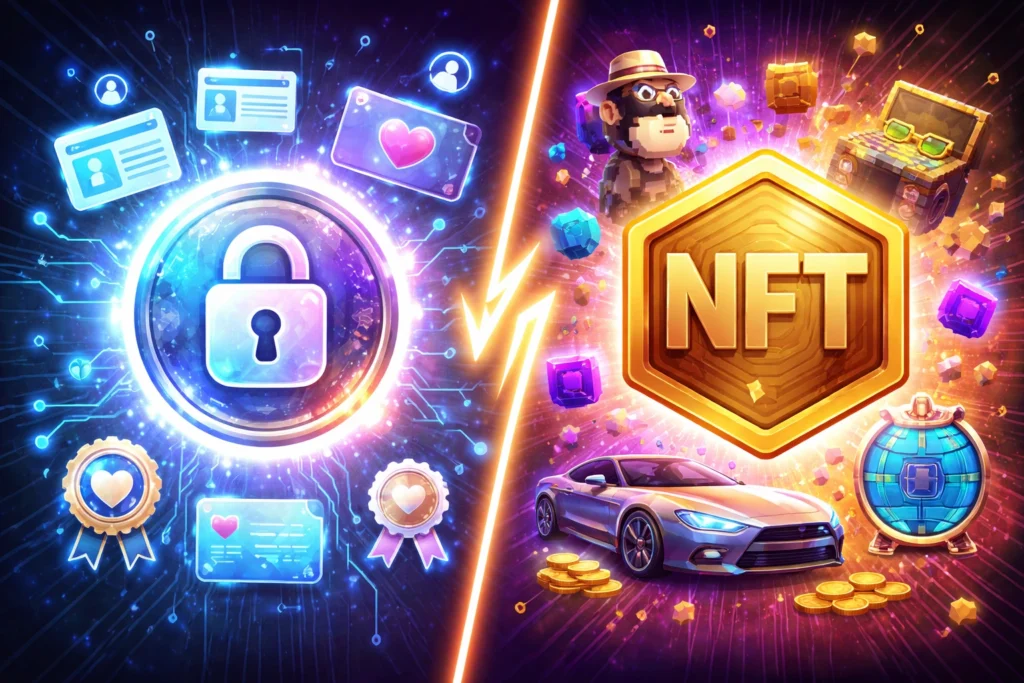
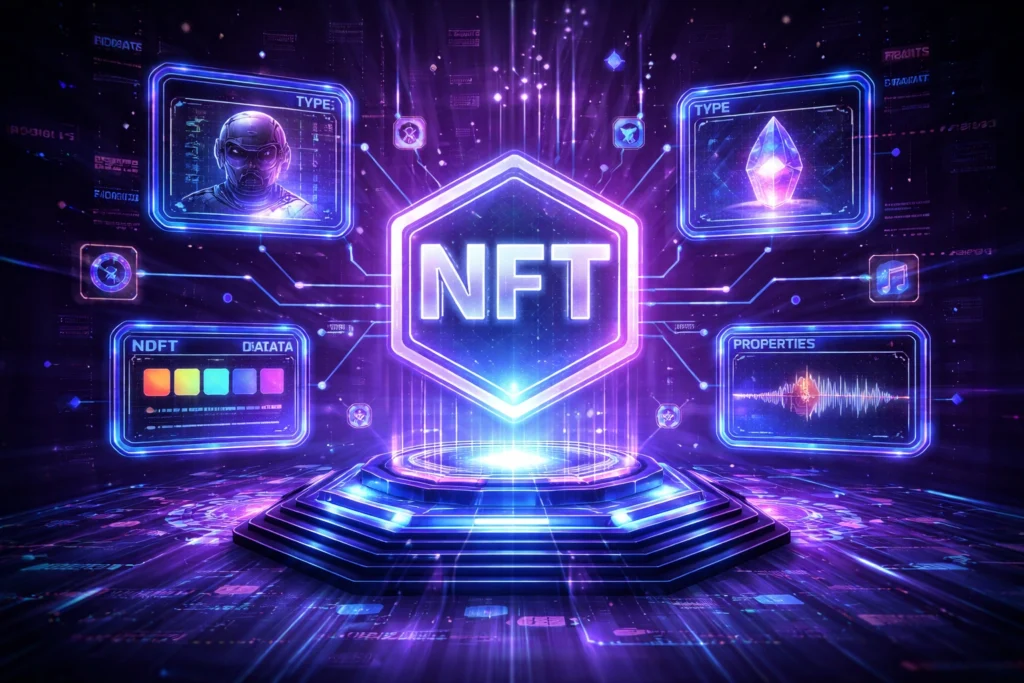
what is zk-NFTs

ZKPs bring several privacy layers to NFT assets, reshaping how ownership and authentication work.

1. Private Ownership Verification

With ZKPs, holders can prove ownership without revealing their wallet address or transaction history. For example, you can prove you own a BAYC NFT to access an event without showing your full wallet contents. This is especially useful for:

  • High-value collectors
  • Corporate NFT users
  • Gaming asset holders
  • Private membership NFTs

2. Hidden NFT Metadata (zk-NFTs)

Traditional NFTs store metadata openly or link to centralized servers. zk-NFTs encrypt metadata so only the rightful owner can view or prove it. This benefits:

  • Digital passports
  • Certificates
  • Authenticity documents
  • Encrypted art
  • Tokenized real-world assets

3. Private NFT Transfers

Today, every NFT transfer is visible on-chain. This enables secure marketplaces for sensitive digital assets—like intellectual property or tokenized documents. With ZKPs:

  • Transfers can be hidden
  • Ownership changes remain verifiable
  • Identity stays private

Zero-Knowledge Proofs and NFT Provenance

Provenance is the history of ownership and authenticity which defines the value of many NFTs. But current provenance exposes:

  • Wallet identities
  • Purchase history
  • Pricing
  • Transfers

However, ZKPs fix these issues through cryptographic verification. It includes:

1. Verifiable but Private Provenance

Collectors can verify:

  • An NFT is original
  • It has an unbroken authenticity trail
  • It wasn’t modified or forged

Now, all this can be done without seeing previous owners’ identities. This supports use cases where provenance matters but privacy is essential:

  • Luxury digital collectibles
  • Museum-grade NFTs
  • Tokenized physical items
  • Digital certificates and diplomas

2. Fraud Prevention With zk-SNARKs

Zero-knowledge proofs allow marketplaces to detect:

  • Fake NFTs
  • Duplicate mints
  • Metadata tampering
  • Unauthorized access

The system validates authenticity through mathematical integrity, not trust. This reduces fraud across marketplaces by providing irrefutable, cryptographically sound authenticity checks.

3. Institution-Grade NFT Authentication

ZKPs allow cryptographic authentication suitable for:

  • Universities
  • Enterprises
  • Government agencies
  • Ticketing systems

Institutions can issue secure zk-NFTs where:

  • Identity stays protected
  • Credentials remain private
  • Verification is instant

This expands NFTs far beyond art into real-world infrastructure.

How zk-NFTs Work: Technical Breakdown

A zk-NFT uses zero-knowledge proofs to secure metadata and ownership through three layers:

Layer 1: Encrypted Metadata

All sensitive NFT data stays off-chain or encrypted.

Layer 2: Zero-Knowledge Proof Layer

zk-SNARKs confirm authenticity without revealing details.

Layer 3: Privacy-Preserving Verification

Marketplaces verify the NFT’s legitimacy using mathematical proofs.

Why Zero-Knowledge Proofs Are Essential for the Future of NFT Markets

what is NFT privacy

1. Privacy Compliance

Zero-knowledge proofs are becoming a foundational layer for the future of NFT ecosystems because they solve one of blockchain’s biggest weaknesses: the lack of privacy. As regulations like GDPR, HIPAA, and other global data protection laws tighten, NFT platforms must find ways to verify identity and ownership without exposing personal information. ZKPs allow this by offering a privacy-first verification model that still maintains trust and transparency.

2. Secure NFT Authentication at Scale

Another major advantage is the ability to authenticate NFTs at scale without relying on centralized servers or manual checks. Today, many marketplaces still depend on metadata pulled from external storage or centralized APIs. Zero-knowledge systems remove these pain points by generating cryptographic proofs that confirm authenticity instantly.

3. Identity-Protected Ownership

ZKPs also unlock a new era of identity-protected ownership. Users can prove they own an NFT without revealing their wallet details, past transactions, or linked assets. This is particularly important for digital identity tokens, PFP assets, high-value collectibles, gaming items, and private membership passes.

4. Enhanced Market Trust

Trust is another area where ZKPs elevate the NFT experience. Buyers can verify that an NFT is legitimate through mathematical proofs rather than relying on the reputation of creators or marketplaces. This significantly reduces the risk of counterfeit NFTs and metadata manipulation.

5. Unlocking Enterprise NFT Adoption

Finally, zero-knowledge proofs make NFTs usable for enterprise-grade applications. Companies can tokenize supply chain markers, legal documents, event tickets, certificates, and access tokens while keeping internal or personal details private. They gain the benefits of blockchain transparency without sacrificing confidentiality.

The Future: Fully Private NFT Ecosystems

Zero-knowledge proofs will unlock the next phase of NFT evolution:
privacy-first, authentication-secured, mathematically verified digital assets.

The future includes:

  • zk-powered NFT marketplaces
  • Private auctions
  • Anonymous gaming assets
  • Institution-level provenance tracking
  • NFT wallets with built-in ZKP verification

As ZKP technology matures, privacy will become a standard—not an add-on.

Conclusion

Zero-knowledge proofs represent the most important upgrade in NFT history. They resolve the core weaknesses of current systems like privacy leaks, authentication challenges, and provenance risks while unlocking new possibilities for trust and adoption.

By enabling zk-NFTs, cryptographic provenance, private ownership verification, and institution-grade authentication, ZKPs are redefining what NFTs can be.

FAQ: Zero-Knowledge Proofs

1. What makes zero-knowledge proofs important for NFT privacy?

Zero-knowledge proofs allow you to verify ownership or authenticity without revealing personal data, wallet balances, or transaction history. This means collectors can stay anonymous while still proving their NFT is legitimate.

2. How do ZKPs help prevent NFT fraud?

ZKPs generate mathematical proofs that confirm metadata, creator signatures, or asset links without relying on centralized servers. This makes it harder for scammers to clone NFTs or manipulate metadata because authenticity is verified cryptographically.

3. What is a zk-NFT?

A zk-NFT is a digital asset that uses zero-knowledge cryptography to hide sensitive metadata or ownership information while still proving authenticity. These NFTs are ideal for private memberships, identity tokens, and high-value collectibles.

4. Can marketplaces verify NFTs faster with ZKPs?

Yes. ZKPs speed up verification by removing manual checks and off-chain queries. Proofs confirm authenticity instantly, making marketplaces more efficient and resilient.

5. Do ZKPs affect the transparency of blockchain?

No. Blockchains remain transparent about what matters, which is the proof itself while sensitive information stays hidden. ZKPs balance privacy with verifiability instead of choosing one over the other.

The Future of NFT Standards: Beyond ERC-721 and ERC-1155

We’ve moved well past the initial phase of NFTs, which was mostly defined by simple pixel avatars and purely speculative collectibles. The digital world is currently transitioning toward complex concepts like digital identity, virtual assets that can be used everywhere, accounts directly tied to tokens, and autonomous smart objects that can interact across different blockchains. To make this sophisticated future function, however, the existing core NFT standards like ERC-721 and ERC-1155 need significant upgrades. 

These standards were essential in powering the initial NFT frenzy, but they’re not robust enough for the upcoming major phase of blockchain adoption. Innovations such as ERC-6551, modular token architectures, and advanced interoperability frameworks are signaling a dramatic evolution in both the definition and function of a non-fungible token. 

In this article, we’ll explore the future of NFT standards. We’ll look at the current models’ shortcomings and highlight the next-generation token protocols that are actively building a more integrated, intelligent, and composable digital economy.

What Are NFT Standards?

NFT standards are technical frameworks that define how non-fungible tokens behave on the blockchain. They dictate:

  • How tokens are minted
  • How ownership is tracked
  • What metadata they store
  • How they interact with marketplaces and applications

Good standards ensure interoperability, meaning NFTs can move freely between wallets, platforms, and ecosystems without compatibility issues.

ERC-721 and ERC-1155 have been the backbone of Web3 so far—but as use cases grow, so do their limitations

Also See: NFT Quantum Computing: A Glimpse Into the Future of Digital Assets

The Limitations of ERC-721 and ERC-1155

what is NFT interoperability

1. Static Metadata

Most NFTs store fixed metadata, limiting the ability for assets to evolve.

2. No Native Composability

NFTs cannot own other digital assets. This prevents complex item structures (e.g., game characters holding inventory).

3. Limited Interoperability

Cross-chain bridges and multi-chain dApps require more advanced standards than originally designed.

4. Inflexible Identity Representation

NFTs cannot function as dynamic identities with activity logs, inventory, or wallet-like capabilities.

Because of these restrictions, developers have pushed for next-gen token protocols that address these gaps more intelligently.

Next-Generation NFT Standards: What Comes After ERC-721 and ERC-1155?

Below are the major innovations driving the future of the NFT ecosystem.

1. ERC-6551: Token-Bound Accounts (TBAs)

The most revolutionary successor emerging today is ERC-6551, which gives every NFT its own smart contract wallet.

What ERC-6551 Enables

  • NFTs can own other tokens (ERC-20, ERC-721, ERC-1155).
  • NFTs can interact with dApps the same way a crypto wallet does.
  • NFTs can acquire assets, sign messages, or perform transactions.
  • NFTs can evolve based on actions taken inside their token-bound accounts.

Use Cases

Gaming: A character NFT can hold weapons, skins, achievements, or currencies.

Identity: A profile NFT can store reputation, on-chain credentials, and behavior data.

AI Agents: Autonomous NFTs with spending power and decision-making abilities.

Collectibles: Upgradable NFTs with inventory slots and dynamic rarity.

ERC-6551 unlocks a new level of composable NFTs where an NFT becomes an entire ecosystem, not just an image.

2. Dynamic Metadata Standards

Next-gen NFTs require metadata that can change over time, enabling:

  • Leveling systems in games
  • Reputation-based profiles
  • Real-world asset condition tracking
  • Upgradable art or evolving collections

New metadata frameworks allow NFTs to react to:

  • Player activity
  • Smart contract triggers
  • External data feeds (oracles)
  • Market activity
  • Social interactions

This evolution is critical for interoperable metaverse assets and digital identities.

3. Modular & Composable NFT Standards

Future NFT standards are moving toward Lego-like modularity, where each function is plug-and-play.

Examples of modular capabilities:

  • Transfer logic
  • Royalty systems
  • Metadata systems
  • Access control
  • On-chain storage modules

This creates customizable NFTs where developers choose only the components they need improving efficiency, reducing cost, and boosting interoperability.

4. Cross-Chain NFT Standards (Interoperability Layer)

Single-chain NFTs are becoming outdated. The future requires assets that move effortlessly across multiple blockchains.

Emerging interoperability standards focus on:

  • Unified token identifiers
  • Cross-chain minting and burning
  • Multichain metadata syncing
  • Secure bridge-free transfer protocols

As multi-chain ecosystems become the norm, NFTs will be expected to function seamlessly on any chain.

5. Zero-Knowledge NFT Standards

ZK-driven NFTs are gaining traction for privacy-intensive use cases, enabling:

  • Private ownership
  • Hidden attributes
  • Anonymous credentials
  • Off-chain verification with on-chain integrity

This unlocks sensitive applications such as:

  • Medical records
  • Identity documents
  • Private memberships and gated access

ZK standards will likely merge with ERC-6551 to create private token-bound identities.

6. Fractional & Multi-Ownership Standards

Fractional NFTs are evolving beyond custom protocols into standardized frameworks for:

  • Shared ownership
  • Automated profit distribution
  • DAO-like governance layers
  • Collaborative ownership (e.g., property NFTs or shared game items)

7. On-Chain Storage NFT Standards

The next wave of NFTs emphasizes fully on-chain data to ensure permanence and decentralization. This is particularly important for high-value digital art.

Upcoming standards focus on:

  • Efficient on-chain metadata compression
  • On-chain image and file generation
  • Infinite asset longevity

How These New Standards Impact the NFT Ecosystem

what is ERC-721 successor

1. A More Intelligent, Autonomous NFT Economy

NFTs will act as wallets, identities, and self-contained ecosystems thanks to ERC-6551 and similar frameworks.

2. Improved Interoperability Across Platforms

Cross-chain standards will allow NFTs to move freely between games, chains, and metaverses.

3. More Meaningful Utility and Use Cases

Dynamic metadata and composable designs unlock real-world applications far beyond collectibles.

4. A Rise in On-Chain Identity and Reputation Systems

NFTs will become the foundation of decentralized profiles and digital passports.

5. Institutional Adoption Through Standardization

Clear digital asset frameworks attract enterprise and regulatory adoption.

The Most Likely Successor to ERC-721

While no single replacement is confirmed, ERC-6551 is currently the strongest candidate because it:

  • Extends ERC-721 without replacing it
  • Adds wallet capabilities
  • Enables composability
  • Enhances interoperability
  • Supports identity, AI, gaming, and more

ERC-721 becomes the “body,” ERC-6551 becomes the “brain.”

Conclusion

The NFT space is clearly entering a new chapter, quickly moving past the limitations of the original ERC-721 and ERC-1155 standards. This shift is being driven by innovations like ERC-6551, dynamic metadata systems, and composable frameworks. The result is a profound upgrade: NFTs are becoming intelligent, interactive, and far more practical. 

Ultimately, the future of NFTs lies beyond static art. It rests on the creation of living, evolving digital assets equipped with inherent capabilities and autonomy. The maturation of these cutting-edge token protocols is poised to redefine digital ownership and finally realize the true promise of Web3.

FAQ: NFT Standards

Are ERC-721 and ERC-1155 becoming obsolete?

Not obsolete, just outdated for advanced use cases. They will still power simple collectibles.

What is the biggest innovation in upcoming NFT standards?

ERC-6551 token-bound accounts. They give NFTs the ability to own assets and function like smart wallets.

Will NFTs become cross-chain by default?

Yes. Interoperability standards are moving toward frictionless multi-chain behavior.

When will new NFT standards become mainstream?

Over the next 12–36 months as gaming, identity, and enterprise adoption demand more flexible infrastructure.

NFT Quantum Computing: A Glimpse Into the Future of Digital Assets

The digital asset space is moving at lightning speed. We’ve already seen NFTs completely revolutionize what it means to own something online, all while blockchain quietly serves as the trusted backbone for the whole digital economy. But there’s a massive new wave coming: NFT quantum computing. 

This technology promises processing power that is currently unimaginable. Quantum machines could solve problems in mere seconds that would take our best traditional supercomputers centuries. As it gets closer to becoming a reality, it stands ready to shake up everything from global finance to data security and you guessed it, that includes NFTs.

In this article, let’s explore how NFT quantum computing could change digital ownership, strengthen or challenge blockchain systems, and redefine how we think about value in the digital age.

Understanding the Basics: NFTs and Quantum Computing

Non-Fungible Tokens (NFTs) represent ownership of a unique digital item like a piece of art, music, collectible, or even virtual real estate. Each NFT is stored on the blockchain, secured by cryptographic algorithms that make it nearly impossible to forge or duplicate.

At their core, NFTs are about proof of authenticity and verifiable ownership. They give digital assets scarcity, and with scarcity comes value.

Quantum computing isn’t just a faster version of classical computing, it’s a complete paradigm shift.

Instead of using bits (0 or 1), quantum computers use qubits, which can exist in multiple states simultaneously. This principle, called superposition, allows them to process millions of possibilities at once.

Quantum computers also use entanglement, a phenomenon where qubits are connected so that the state of one affects another instantly even at great distances. Combined, these traits allow quantum computers to perform calculations with unmatched complexity and speed.

The Intersection of NFTs and Quantum Computing

Quantum computing and NFTs may seem worlds apart, one rooted in art and ownership, the other in physics and mathematics. But at their core, both deal with information, authenticity, and trust.

Here’s how the two fields intersect:

  • Quantum computing could disrupt blockchain encryption, the foundation that secures NFTs.
  • It could also enhance blockchain performance, making NFT transactions faster and more energy-efficient.
  • New NFT quantum tech might lead to entirely new asset classes like digital items that respond to real-world or quantum-driven data.

Let’s dive deeper into what each of these could mean for the future.

Quantum Threat: Breaking Blockchain Security

what is quantum blockchain

One of the biggest concerns about the quantum future is its potential to break current cryptography.

Blockchain networks, including those that power NFTs, rely on cryptographic algorithms like RSA and ECC (Elliptic Curve Cryptography) to secure transactions and digital signatures. Quantum computers, with their massive computational power, could theoretically crack these codes using algorithms like Shor’s Algorithm rendering existing encryption methods obsolete.

This raises a key question: if blockchain can be broken, what happens to NFT ownership?

If a hacker using quantum tech could replicate private keys, they could forge transactions, duplicate NFTs, or transfer ownership without consent. In essence, the concept of trustless ownership could vanish unless blockchain evolves.

However, this isn’t the end of NFTs, it’s a turning point.

Also See: Using Machine Learning to Predict NFT Success Rates

Quantum-Resistant Blockchain: The Next Frontier

The good news? Researchers are already developing quantum-resistant blockchains that use new cryptographic methods designed to withstand quantum attacks.

These post-quantum cryptography algorithms rely on mathematical problems that even quantum computers can’t easily solve. Examples include:

  • Lattice-based cryptography
  • Hash-based cryptography
  • Multivariate polynomial encryption

When combined with blockchain, these systems could create quantum-secure NFT ecosystems, ensuring that digital assets remain tamper-proof and verifiable even in a quantum-powered world.

In other words, instead of destroying NFTs, quantum computing may force the technology to evolve, leading to the next generation of quantum blockchain systems.

NFT Quantum Computing as a Catalyst for Innovation

Beyond security, quantum computing also holds the potential to enhance and evolve NFTs in fascinating ways.

1. Smarter, Dynamic NFTs

Imagine NFTs that change in real time based on data inputs like weather, market conditions, or even human interaction. With quantum algorithms, the data modeling behind these assets could become far more sophisticated.

Artists could create living digital works that evolve unpredictably, powered by quantum randomness making each NFT even more unique and valuable.

2. Faster and Greener Transactions

Quantum computing could dramatically improve blockchain efficiency. Current blockchains consume vast energy and time to validate transactions. Quantum optimization could streamline these processes, enabling faster, greener, and more scalable NFT platforms.

3. Enhanced NFT Valuation Models

Today, NFT valuation depends heavily on market speculation and social hype. But with quantum analytics, NFT value could be modeled more scientifically. By analyzing massive datasets of market behavior, transaction trends, and collector psychology, quantum-driven AI could predict NFT market trends with unprecedented accuracy.

4. Cross-Chain Quantum Verification³

Quantum systems could enable instant verification across multiple blockchains. This would make cross-chain NFT trading seamless, no more waiting for manual bridging or wrapping tokens.

The Physics of Digital Ownership

To truly grasp how blockchain quantum mechanics could redefine digital ownership, we need to think in physical terms.

At its essence, both blockchain and quantum physics deal with states of information like who owns what, when, and how it changes.

Quantum physics introduces the concept of superposition and uncertainty, meaning something can exist in multiple states until observed. Similarly, NFTs might evolve into multi-state assets like dynamic entities whose properties depend on external interactions or data conditions.

This could lead to NFTs that:

  • Morph based on the owner’s actions.
  • Shift attributes during certain global events.
  • Unlock layers of data or media when interacted with through quantum-verified devices.

Such interactive, state-changing NFTs could represent a completely new art form blending science, technology, and human creativity.

Challenges Ahead

NFT technology advancements

The road to merging NFTs and quantum computing isn’t without obstacles.

1. Quantum Hardware Limitations

Quantum computers are still in early development. The systems we have today are prone to errors and require extreme conditions to operate. It may take a decade before they become commercially viable for blockchain applications.

2. Transition Complexity

Moving from current encryption standards to quantum-resistant systems requires massive coordination. Wallets, marketplaces, and entire blockchains would need to upgrade without losing user data or asset integrity.

3. Ethical and Regulatory Questions

With new technologies come new dilemmas:

  • Who owns a quantum-generated NFT?
  • Can an evolving NFT be legally classified as the same asset?
  • How will global regulations adapt to quantum-secure, decentralized assets?

These questions will shape how digital asset tech evolves in the coming years.

The Future of NFT Quantum Computing

In the long run, NFT quantum computing could unlock possibilities we can barely imagine today:

Quantum-verified authenticity: Absolute proof of originality and ownership.

Self-adapting art: NFTs that evolve through quantum algorithms.

Decentralized quantum economies: Markets powered by both blockchain and quantum data systems.

As quantum computing and blockchain converge, NFTs will shift from static collectibles to intelligent, data-responsive assets forming the backbone of the digital economies of the future.

Conclusion

Forget the fear. Quantum computing is not going to destroy NFTs, it’s the driving force behind their next major upgrade. By bringing together breakthroughs in NFT technology and the rock-solid security of quantum blockchain mechanics, we can build digital spaces that are faster, operate more intelligently, and are virtually impossible to hack. 

The convergence of NFTs and quantum computing is a fascinating blend of scientific rigor and artistic possibility. This shift will completely alter our understanding of how we make, own, and determine the worth of digital assets. The future of this tech is about more than just software or digital pictures. It’s about limitless potential, guaranteed safety, and the foundational physics of digital trust itself.

FAQ: NFT Quantum Computing

Will NFT quantum computing make current NFTs obsolete?

Not necessarily. It could threaten current encryption methods, but ongoing work in quantum-resistant blockchains will secure NFTs for the long term.

How soon will quantum computing affect blockchain?

Experts estimate that large-scale quantum impact may come within 10–15 years, giving developers time to adapt.

What are quantum NFTs?

Quantum NFTs are theoretical digital assets designed using quantum algorithms, capable of evolving or interacting based on probabilistic data.

Can NFTs benefit from quantum computing before it becomes mainstream?

Yes. Even before full adoption, quantum-inspired algorithms can already optimize blockchain speed, storage, and valuation modeling.

Using Machine Learning to Predict NFT Success Rates

The world of NFTs and digital art can feel completely random. We’ve all seen it: a project goes viral almost instantly, yet a seemingly identical one, with great artwork and a strong community, never takes off. It begs the question: What’s the real difference between an NFT that makes millions and one that gets instantly forgotten? The simple answer is data, specifically when we apply machine learning NFTs to it. By using sophisticated algorithms, we can finally start to uncover the hidden signals within blockchain data. 

These advanced models are powerful tools, giving everyone from the casual collector to the serious investor, the ability to forecast an NFT’s success with much more confidence. 

Let’s explore how these AI-driven systems are reshaping asset valuation, break down the mechanics of predictive analytics in digital forecasting, and see why data science is about to become the backbone of smart NFT investing.

What Does “Predicting NFT Success” Mean?

Predicting NFT success means estimating the likelihood that a token will increase in value, attract active trading, or retain demand over time. Success isn’t just about price, it includes:

Liquidity – How easily an NFT can be sold or traded.

Community engagement – The strength and consistency of a project’s followers.

Creator reputation – The influence and history of the artist or developer.

Rarity & uniqueness – The scarcity of the asset in a given collection.

Market sentiment – How investors and collectors feel about the category.

How Machine Learning NFT Prediction Works

Machine learning (ML) uses data to train models that can identify relationships and forecast outcomes. In the context of NFTs, ML algorithms sift through vast blockchain data to find subtle clues about future performance.

Here’s how the process unfolds:

Data Collection: The model gathers data on NFT trades, minting dates, metadata, artist activity, and market conditions.

Feature Engineering: Relevant features are extracted—like floor price trends, social engagement, rarity scores, and transaction velocity.

Model Training: Algorithms such as Random Forest, XGBoost, or Neural Networks learn from historical data to recognize what signals led to successful projects.

Prediction: The trained model applies this learning to new or upcoming NFT collections, predicting potential success rates.

This approach turns randomness into probability, allowing data-driven insights to guide decision-making.

Also See: NFT Evolution: How Scientific Innovation is Transforming Digital Collectibles

Key Data Points Machine Learning Analyzes

1. Transaction History

ML models evaluate patterns in NFT sales volume, price volatility, and resale frequency to understand how value evolves over time.

2. Social Media Signals

Engagement across platforms like X (Twitter), Discord, and Instagram provides real-time insight into community sentiment. AI tools quantify these trends to gauge hype and sustainability.

3. Metadata & Visual Traits

NFTs with certain traits like limited editions or artist-signed assets often have higher perceived value. ML can measure how specific traits influence pricing.

4. Blockchain Analytics

Models track wallet behavior: who’s buying, how long they hold, and how often they trade. This reveals investor confidence and potential whale activity.

5. External Factors

Macroeconomic data, Ethereum gas fees, and even NFT marketplace policy changes can influence market behavior. Predictive systems include these contextual elements for accuracy.

Why Machine Learning Matters for NFT Investors

what is NFT success prediction

Smarter Investment Decisions

Investors no longer have to rely purely on intuition or online buzz. With predictive analytics NFTs, decisions become grounded in statistical probability rather than speculation.

Identifying Early Winners

ML can spot undervalued collections before they explode in popularity. This gives investors the advantage of entering early and maximizing gains.

Reducing Risk Exposure

By analyzing volatility and transaction behavior, AI models can flag projects with unstable patterns or low community engagement helping avoid potential losses.

Enhancing Portfolio Diversity

Machine learning allows investors to diversify across different categories (art, gaming, utility NFTs) based on risk-adjusted success rates, creating more resilient portfolios.

How Creators Benefit from Predictive Models

NFT artists and developers can use ML insights to shape better project strategies:

Optimized pricing models – Understanding what price points resonate with buyers.

Targeted audience engagement – Identifying which communities are more receptive.

Timing of releases – Launching drops when market sentiment and liquidity are high.

Trait engineering – Designing NFT attributes that historically correlate with demand.

In short, ML doesn’t just predict success, it can help design it.

Challenges in Machine Learning for NFTs

While the technology is promising, it’s not foolproof.

1. Data Quality

Blockchain data is transparent but not always clean. Spam transactions or fake trades can skew results unless properly filtered.

2. Market Volatility

NFT prices are influenced by cultural trends and sentiment shifts that even advanced algorithms may struggle to anticipate.

3. Overfitting Risks

Models that learn too much from past data may fail to adapt to new market dynamics, reducing accuracy.

4. Ethical Concerns

Relying entirely on algorithmic predictions risks over-commercializing art, sidelining creativity for profit-driven outcomes.

Despite these challenges, continuous improvements in NFT algorithms and data normalization are making predictions more reliable each year.

The Future: Where AI and NFT Science Collide

AI-driven NFTs

As NFT science evolves, predictive models will integrate even more dimensions of data:

Emotional AI – Analyzing sentiment in digital art communities to forecast virality.

Cross-chain analytics – Predicting trends across blockchains like Solana, Polygon, and Ethereum.

Reinforcement learning – Allowing algorithms to “learn” market reactions and self-adjust forecasts.

Generative prediction models – Using AI to simulate potential NFT trajectories based on past performance.

These innovations will make digital asset forecasting as sophisticated as financial market modeling bridging creativity with data intelligence.

Conclusion

Machine learning NFTs are redefining how the digital asset world understands value. By transforming raw blockchain data into actionable insights, predictive analytics makes investing smarter, safer, and more strategic.

NFT markets will always have an element of unpredictability but with AI at the core, success becomes less about luck and more about informed precision. Whether you’re an investor seeking growth or a creator building the next viral drop, machine learning is your silent partner in navigating the future of NFT success.

FAQ: Machine Learning NFT

Can AI really predict which NFTs will be successful?

Yes, to a degree. Machine learning identifies probability patterns, not guarantees. It improves forecasting accuracy but can’t replace market intuition.

Which machine learning models are best for NFT prediction?

Common algorithms include Random Forest, Gradient Boosting, and Neural Networks, each suited for different data volumes and prediction goals.

Is machine learning only for large investors?

No. Many AI-driven NFT platforms now offer dashboards accessible to smaller investors and creators.

What data is most important in predicting NFT success?

Social engagement, transaction volume, rarity, and wallet behavior are among the strongest indicators of long-term success.

NFT Evolution: How Scientific Innovation is Transforming Digital Collectibles

The world of digital collectibles has completely transformed in just a few short years. What started as simple JPEGs on a blockchain has quickly grown into a complex ecosystem built on a foundation of science, technology, and pure creativity. Ignore the hype for a moment. A real revolution is happening quietly in the background, fueled by breakthroughs in blockchain science, data modeling, and cryptography. Today, NFT evolution is about so much more than just digital art. 

They now represent a stake in your identity, ownership, and access across everything from entertainment to finance. As this next wave of innovation hits, the underlying science is totally redefining what it means to own something digital in our interconnected world. 

In this article, let’s see how these scientific advances are reshaping the NFT space, leading to digital collectibles that are smarter, more sustainable, and genuinely valuable.

What Is NFT Evolution?

The term “NFT evolution” refers to how NFTs have progressed beyond static digital tokens into dynamic, data-rich digital assets. Early NFTs represented ownership of single files—mostly art or collectibles. Now, NFTs interact with external data, adapt to user behavior, and even evolve over time.

This evolution is driven by three major forces:

  • Blockchain innovation improving scalability and security.
  • Scientific research in token design and interoperability.
  • Market demand for more meaningful digital ownership.

Together, these forces are creating a new era of NFT transformation, one that merges art, utility, and science.

The Science Behind NFT Innovation

1. Blockchain Architecture and Smart Contracts

At the core of NFT evolution is blockchain architecture. The first generation of NFTs relied on simple Ethereum smart contracts. But today, scientific approaches to blockchain design like layer-2 scaling, zero-knowledge proofs, and interoperability protocols which allow NFTs to function across multiple platforms efficiently.

This means collectors can buy, sell, and trade seamlessly, without high gas fees or network congestion. It also opens the door for cross-chain digital collectibles, where ownership transcends one blockchain.

2. Data Science and Predictive Modeling

Scientific data models now help evaluate NFT rarity, market behavior, and value prediction. These models analyze metadata, transaction history, and social signals to forecast trends in NFT advancements.

This has given rise to “intelligent NFTs” which are assets that learn from data and adapt. For instance, an NFT avatar might evolve based on its owner’s engagement or the number of transactions associated with it.

Also See: What’s an NFT? A Beginner’s Guide

3. Cryptography and Identity Verification

what is blockchain science

NFTs rely on advanced cryptographic systems to ensure security and authenticity. Modern approaches like quantum-resistant encryption and decentralized identifiers (DIDs) make it possible to verify true ownership without revealing personal information.

This not only strengthens digital trust but also bridges NFTs with identity management systems, enabling blockchain science to redefine digital identity itself.

Dynamic and Programmable NFTs (dNFTs)

The concept of a static, unchangeable NFT is rapidly becoming obsolete. Dynamic NFTs (dNFTs) represent a significant leap in NFT transformation, allowing the metadata, which is the data that dictates what the NFT represents, to change based on external inputs.

Oracles and Real-World Data

dNFTs utilize blockchain science in conjunction with decentralized oracle networks (like Chainlink) to feed verified real-world data directly into the smart contract governing the token. For example, a digital art piece could change its visual appearance based on the real-time stock price of a company, the weather in a specific city, or the owner’s performance in a video game.

Utility in Gaming and Identity

This programmability is vital for the NFT future in applications like gaming (where a character NFT gains experience and upgrades) and digital identity (where a credential NFT evolves as the owner earns new certifications or reputation). The token becomes a living, functional digital asset, not just a proof of purchase.

Sustainability: The Science of Greener NFTs

NFTs faced early criticism for their energy consumption. But blockchain scientists have tackled this head-on through innovation. Proof-of-Stake (PoS) systems, carbon offset protocols, and renewable energy integration have drastically reduced NFT carbon footprints.

Emerging platforms now use carbon tracking technology and green consensus mechanisms to make minting more sustainable. As climate data becomes integral to blockchain records, scientific carbon accounting ensures NFTs evolve responsibly within the global sustainability framework.

AI’s Role in NFT Evolution

what is NFT innovation

Artificial intelligence is another key driver of NFT transformation. Through AI-generated art, sentiment analysis, and algorithmic curation, NFTs are becoming smarter and more dynamic.

AI models analyze market patterns, optimize pricing strategies, and even suggest new creative directions for artists. On a deeper level, machine learning helps build predictive tools that anticipate NFT market shifts, enabling investors to make data-backed decisions.

This fusion of AI and blockchain creates a new scientific frontier where NFTs behave like living assets that learn, adapt, and evolve with their environment.

Scientific Innovation and NFT Valuation Models

The valuation of NFTs is no longer a guessing game. Blockchain analytics and data-driven NFT valuation techniques are reshaping how collectors assess worth.

By combining transaction velocity, liquidity metrics, and ownership history, new models can score NFTs based on scientific criteria rather than social hype. These valuation methods bring more transparency, allowing investors to differentiate between fleeting trends and long-term value.

Such models are central to the future of digital asset tech, where data authenticity and scientific proof replace speculation.

The Future of Digital Collectibles

Interoperable Digital Ecosystems

As blockchain innovation continues, the walls between networks are disappearing. NFTs will soon move freely across ecosystems between Ethereum, Solana, Polygon, and future chains without losing data or value.

This interoperability ensures that digital assets have lasting utility, not confined to one platform or game.

Scientific Provenance

Blockchain’s ability to record metadata with precision gives rise to scientific provenance which is the ability to trace the exact origin, ownership, and changes of a digital collectible. This builds trust and enhances long-term asset credibility, crucial for investors and creators alike.

Fractional Ownership

Through tokenization science, NFTs can now be divided into smaller units. This enables fractional ownership, allowing multiple investors to co-own high-value assets like rare art, real estate, or digital music rights.

This innovation democratizes access to digital wealth, expanding NFT adoption beyond elite collectors.

FAQ: NFT Evolution

What makes the new generation of NFTs “scientific”?

They’re built using advanced blockchain protocols, AI, and data analytics to enhance utility, sustainability, and security.

How does science improve NFT value assessment?

Scientific models use measurable data like transaction history and rarity metrics to determine value rather than subjective hype.

Are NFTs still relevant beyond art?

Absolutely. NFTs now power gaming, fashion, education, real estate, and identity systems.

What role will quantum computing play in NFT evolution?

Quantum-resistant algorithms will protect NFT data, ensuring security against future computational threats.

Conclusion

Ultimately, the growth of NFTs is more than just a cultural shift; it’s a testament to scientific progress. By leveraging blockchain innovation, smarter cryptography, and the power of AI, NFTs are evolving into something much more substantial, they’re intelligent, lasting digital assets that go far beyond art gallery walls and quick trades. 

When the worlds of tech and creativity fully blend, these digital collectibles will play a central role in how we show our identity, understand value and ownership, and establish trust in the digital realm. The future promises an NFT space that is more grounded in science, welcoming to all, and incredibly exciting.

Decoding NFT Metadata: The Science Behind Digital Art Ownership

It’s easy to dismiss NFTs as just fancy digital pictures, but their real substance is hidden. Behind every trade, sale, and collectible is an invisible information layer or metadata that gives the NFT its entire identity, rarity profile, history, and true value on the blockchain. You could say NFT metadata is the unique DNA of a digital asset. 

It’s what defines the art, who the creator is, which traits it possesses and how rare they are, and the instructions for displaying it. Without it, an NFT is literally just a random file without any context or verifiable history. Ultimately, in the world of digital art, metadata is the foundation upon which ownership is built. 

What Is NFT Metadata?

NFT metadata is structured information that describes the digital asset an NFT represents. It usually contains:

  • Artwork title and description
  • Creator details
  • Visual traits or attributes
  • Edition or rarity numbers
  • File type and dimensions
  • External links or unlockable content

Because NFTs are built on blockchain standards, NFT metadata is formatted consistently. For example, the ERC-721 and ERC-1155 token standards define how metadata is stored and referenced.

Metadata acts like a certificate of authenticity. As a result, it proves you own a specific digital item with specific characteristics.

Why Metadata Matters in Digital Art Ownership

Traditional image files can be copied endlessly. But metadata on a blockchain creates something new: verifiable scarcity.

It brings transparency to:

  • Ownership history
  • Provenance
  • Trait rarity
  • Authenticity

These factors shape digital art valuation. A collector can verify if an item is truly unique, or just a look-alike. Without metadata, NFTs would lose their meaning.

Also See: Exploring NFT Artistic Creations: A New Digital Era

How Metadata Lives on the Blockchain

what is blockchain metadata

Here’s the interesting part. The full artwork file doesn’t always live directly on the blockchain. Instead, the blockchain stores a metadata pointer which is a link to where the file is hosted.

Common storage methods include:

1. On-Chain Metadata

All metadata is stored directly in blockchain code. It is:

  • Fully decentralized
  • Permanent
  • Tamper-resistant

One thing to note is that on-chain storage is expensive.

2. Off-Chain Metadata

Data is hosted on external servers. As a result, it becomes cheaper and faster. But it depends on a server staying online.

3. Hybrid Storage

Hybrid is parts on-chain and parts off-chain. It has a balanced approach, more affordable and offers flexible updates

As a result, projects use this approach to keep essential information permanent, while storing heavy artwork files elsewhere.

IPFS: The Backbone of NFT Storage

One of the most popular solutions is the InterPlanetary File System (IPFS). It stores data across a network of distributed computers instead of a single server.

Benefits:

  • Harder to delete
  • Resistant to corruption
  • Community-driven

Files on IPFS get a unique content identifier (CID). So, if the file changes, the CID changes. As a result, that makes tampering obvious.

Rarity and Valuation through Metadata

Beyond simple description, the attributes section of the metadata is the economic engine that drives digital art valuation within large collections.

1. The Traits System

Collectible NFT projects like PFP collections use traits to establish artificial scarcity, a key element of the NFT coding.

  • Encoding: The attributes array lists features like headwear, background color, clothing, etc. The frequency of these traits across the entire collection is calculated.
  • Rarity Scoring: Specialized metadata decoding tools use complex statistical formulas (often a blend of mean rarity score and statistical rarity) to assign a single Rarity Score to each NFT.
  • Valuation: This score is the primary non-subjective metric used by marketplaces and investors to set the floor price of a specific NFT relative to others in the same collection.

2. Dynamic Metadata and Utility

A newer, more complex form of blockchain metadata is dynamic metadata, which changes over time based on real-world or on-chain events.

  • Mechanism: Instead of pointing to a static JSON file, the TokenURI points to an API endpoint (a server) controlled by the creator. As a result, the API references the NFT’s unique Token ID and returns a new JSON file with updated attributes. For example, If an NFT character “levels up” in a game, the API updates the metadata to reflect “Level 2,” which changes the artwork (the image link) and the attributes.
  • Implication: This introduces a potential trust dependency (the API is centralized), but it is essential for delivering utility and maintaining player digital art ownership in dynamic metaverses and games.

NFT Metadata Risks to Watch

what is digital art NFTs

Metadata brings the power of digital ownership. But it can introduce vulnerabilities if handled poorly like:

1. Hosting Failure

If off-chain servers go offline, the NFT’s artwork can disappear even if the token remains.

2. Centralized Updates

Creators could alter attributes after minting, changing rarity.

3. Broken Links

URLs in metadata can expire or move.

FAQ: NFT Metadata

Where is NFT metadata stored?

It can be on-chain, off-chain, on IPFS, or in hybrid systems.

Can metadata be changed after minting?

Only if the project allows dynamic updates by design.

Does metadata affect NFT value?

Yes. Traits, rarity, and provenance influence pricing.

What happens if metadata breaks?

Marketplaces may fail to display the artwork or traits.

Can metadata prove ownership?

Yes. Blockchain records make ownership transparent and permanent.

Conclusion

Ultimately, metadata is the quiet powerhouse behind the NFT revolution. It’s the data that fundamentally defines a piece of digital art establishing its unique characteristics, calculating its rarity, and unequivocally proving ownership. If you remove the metadata, an NFT loses its identity, its purpose, and all its cultural significance.

As we move toward a future defined by digital ownership, this data becomes increasingly central to our online existence. It dictates value, confers status, and controls access within emerging virtual economies. Therefore, understanding this invisible data layer is much more than technical expertise; it’s a necessary component of financial literacy for the digital age.

Science of NFT Authentication: How Blockchain Guarantees Ownership

The world of digital art and collectibles has absolutely exploded, and with it, the confusion. It begs the question: how can you actually prove you own a digital file when anyone can copy-and-paste it? And how can you be sure an NFT is the genuine article, not just a fake or a replica? The answer lies in the science of NFT Authentication. 

The true power behind every verified NFT is a rigorous foundation of cryptography, data integrity, and blockchain verification. They’re the tools that create scarcity and build trust in a digital economy without borders. 

In this article, we’re going to unpack the science of NFT authentication, showing you exactly how blockchain systems guarantee authenticity, preserve a collectible’s history (provenance), and secure your ownership rights in a world where replication is effortless.

The Fundamental Problem of Digital Authenticity

For decades, the digital world suffered from the “copy-and-paste” problem. Any digital file like an image, song, or text could be flawlessly duplicated an infinite number of times, making true scarcity impossible. This rendered digital items essentially worthless as collectible or proprietary assets. 

The key breakthrough of the blockchain, and subsequently the NFT, was solving this digital authenticity problem. An NFT doesn’t prevent the underlying digital art (the JPEG) from being copied; instead, it creates a unique, verifiable entry on a public, decentralized ledger that proves one specific party owns the token linked to that art. This token is the true asset. 

The mechanism that guarantees this is a layered scientific structure built on cryptography and distributed consensus.

Understanding NFT Authentication

At its core, NFT authentication is the process of confirming that a digital asset is original, verifiable, and owned by a specific person or entity. Unlike traditional certificates or signatures, NFTs rely on mathematical certainty rather than institutional trust.

Each NFT (Non-Fungible Token) contains unique metadata stored on a blockchain. That data includes:

Token ID: A distinct digital fingerprint

Creator and owner information: Publicly visible wallet addresses

Transaction history: Immutable proof of origin and ownership transfers

Linked media or asset reference: The digital artwork, file, or collectible itself

The science behind NFT verification revolves around cryptographic verification which is a process that encodes ownership in the blockchain’s digital ledger, making it nearly impossible to alter or counterfeit.

Also See: Can Data Science Help You Spot Undervalued NFTs?

The Blockchain Science Behind Authenticity

Blockchain operates like a digital time capsule. It records every transaction in a public, tamper-proof ledger distributed across thousands of computers.

1. Hashing: Creating Digital Fingerprints

When an NFT is created (or “minted”), its associated data like images, videos, or metadata is processed through a hashing algorithm. A hash is a short alphanumeric code generated from that data. Even changing one pixel in an image changes its hash completely, making forgery easy to detect.

For example:

Original artwork → hash: 0xA92F…

Modified version → hash: 0xB71E…

This unique hash acts as the NFT’s digital fingerprint.

2. Cryptographic Verification

Every NFT transaction is validated through public-key cryptography. When a user purchases or transfers an NFT, their digital signature confirms authenticity.

The blockchain then uses a consensus mechanism (like Proof of Work or Proof of Stake) to confirm the transaction across the network, locking the record permanently.

Simply, if hashing gives an NFT its fingerprint, cryptography gives it its seal of ownership.

3. Immutable Ledger

Once an NFT is recorded, that data cannot be changed or deleted. This permanence is what guarantees NFT authenticity which is a verifiable trail of ownership, or NFT provenance, that anyone can audit.

The result is a living record of digital heritage where every sale, transfer, and owner is transparently documented.

NFT Provenance: The Digital Chain of Custody

In traditional art, provenance is the documented history of ownership and authenticity critical for valuation. NFTs take that concept digital.

Blockchain provenance automatically creates a public “chain of custody” for every asset. Each time an NFT changes hands, that transaction is added as a new block on the chain.

Why Provenance Matters:

Transparency: Anyone can trace an NFT back to its creator.

Verification: Fake or copied NFTs lack a matching blockchain record.

Trust: Collectors can see past owners and transaction dates.

Value Protection: Provenance ensures that ownership claims are verifiable and not fabricated.

Platforms like OpenSea, Blur, and Magic Eden rely on this system to validate creator authenticity before displaying NFTs.

Blockchain Ownership: How Rights Are Guaranteed

Ownership on the blockchain isn’t symbolic, it’s mathematical.

When you buy an NFT, the blockchain records your wallet address as the new owner. This record becomes your proof of ownership, viewable by anyone.

Unlike centralized databases, no single entity controls blockchain ownership. This decentralization means:

No unauthorized alterations: Only you can transfer the NFT.

No fake ownership claims: Every asset can be traced to its rightful wallet.

Permanent record: Even if a marketplace shuts down, the ownership data remains on the blockchain.

This creates what’s known as digital sovereignty which is a verifiable right to own and trade digital assets freely.

Cryptographic Verification in Action

To understand why cryptographic verification is so powerful, imagine this example:

You buy an NFT from a digital artist. Behind the scenes, the system uses cryptographic keys:

  • The artist signs the NFT with their private key, proving authorship.
  • You, the buyer, receive it in your wallet associated with your public key, proving ownership.
  • The blockchain then cross-verifies both through a consensus mechanism. Once approved, the ownership transfer becomes irreversible and visible to everyone on the network.

This eliminates the need for intermediaries, lawyers, or galleries as the blockchain itself becomes the notary.

Scientific Elements That Ensure NFT Security

what is NFT provenance

The reliability of NFT authentication lies in several layers of scientific principles:

1. Decentralization

No single entity controls the blockchain. This ensures resilience and trust.

2. Consensus Mechanisms

Algorithms like Proof of Stake (PoS) and Proof of Work (PoW) validate transactions based on computational consensus, eliminating fraud.

3. Encryption Standards

Strong encryption, such as Elliptic Curve Digital Signature Algorithm (ECDSA), secures NFT transfers and ownership records.

4. Distributed Verification

Every transaction is verified by multiple nodes across the world—making tampering statistically impossible.

Together, these principles make NFT ownership rights scientifically verifiable and cryptographically sound.

Challenges in NFT Authentication

While blockchain provides the infrastructure, NFT authenticity isn’t without challenges:

Off-Chain Storage Risks – Many NFTs store media files on third-party servers, which can be altered or deleted if not decentralized (e.g., using IPFS).

Fake Collections – Counterfeit projects can mimic real NFTs without copying the actual blockchain data.

Metadata Manipulation – Poorly secured smart contracts can be exploited to alter metadata after minting.

Legal Ambiguity – Blockchain ownership doesn’t always translate to copyright ownership unless explicitly stated.

To maintain digital authenticity, next-generation NFT security systems are integrating AI-based verification, real-time blockchain analytics, and creator identity tracking.

FAQ: NFT authentication

How does blockchain guarantee NFT authenticity?

Through hashing, cryptographic signatures, and decentralized consensus ensuring data can’t be altered or duplicated.

Can someone copy my NFT?

They can copy the image, but not the blockchain record. As a result, ownership is proven by the on-chain transaction history, not the media file.

What is NFT provenance?

It’s the verifiable history of an NFT’s creation and ownership recorded permanently on the blockchain.

How secure is NFT ownership?

Extremely secure and protected by cryptographic encryption and decentralized network validation.

Can NFT authentication fail?

Yes, only if the underlying smart contract or storage layer isn’t secure. As a result, it helps Reputable blockchains minimize this risk.

Conclusion

To wrap things up, it’s clear that NFTs aren’t just a fleeting trend; they’re a working model for trust in the digital age. By bringing together blockchain ownership, cryptographic verification, and the documented history of an asset (NFT provenance), the technology achieves something previously unattainable in the digital space. 

The ‘science’ of NFT authentication is what underpins digital property rights in Web3. Each verified NFT represents a beautiful intersection of mathematics, coding, and human creativity, a permanent, immutable signature etched into the timeline.

Can Data Science Help You Spot Undervalued NFTs?

Doesn’t the NFT market feel like a wild, unpredictable ride? It does, if you only look at the surface. But beneath all the noise and hype is a clear, reliable signal: data. Most people are simply chasing whatever’s trending or picking art they think looks cool. But a smart group of investors is doing something radically different: they’re treating NFTs like a science project, not a casino. They’re using NFT data science to pore over blockchain records, figure out who’s buying what, and spot ownership shifts. 

This lets them snag undervalued NFTs before the rest of the world knows they exist. Basically, they’re turning digital art investment from a guess into a highly informed bet. 

In this article, we’ll show you how data science uncovers those hidden treasures, tell you exactly which numbers you need to track to value an NFT, and look at the powerful new tools built on blockchain analytics that are shaking up digital asset investing.

The Challenge of NFT Valuation

Unlike stocks or property, NFTs don’t have clear intrinsic value. Their worth comes from factors like artist reputation, community strength, rarity traits, and recent hype cycles. Yet, these factors are volatile and easily manipulated.

Here’s why NFT pricing models are so complex:

Subjective appeal: Aesthetics and personal preference still influence price.

Illiquid markets: Not all NFTs are frequently traded, making price discovery difficult.

Market manipulation: Wash trading and artificial scarcity distort real demand.

Lack of standardization: Each project defines rarity and utility differently.

Data science offers a solution: turn subjective art into objective insight.

Also See: Monkey NFTs: Everything You Need to Know About

What Is NFT Data Science?

NFT data science applies statistical models, algorithms, and machine learning to blockchain data. Instead of relying on hype, it focuses on measurable indicators of value.

This includes:

Transaction analysis: Tracking wallet activity, average holding time, and buying clusters.

Rarity scoring: Comparing traits across a collection to identify outliers.

Pricing patterns: Mapping historical sales to detect undervalued listings.

Sentiment analysis: Using AI to gauge community emotions from social platforms.

Predictive modeling: Estimating future floor prices based on data correlations.

By combining these insights, data scientists can highlight NFTs priced below their likely market value.

How Data Science Spots Undervalued NFTs

what is undervalued NFTs

Let’s break down how NFT analytics works in practice.

1. Rarity Meets Reality

Every NFT project has “rare” traits but rarity alone doesn’t guarantee value. Data scientists analyze how rarity interacts with actual sales data.

For example:

  • If a rare trait consistently sells below the average price, it might be undervalued.
  • If common traits perform unusually well, it signals community preference trends.

Tools like RaritySniper or TraitSniper apply this logic to collections, but advanced NFT insights platforms go further by adding context like who’s buying, when, and why.

2. Ownership Patterns

Blockchain records reveal wallet behavior. Long-term holders, “diamond hands,” often signal conviction and community health. If a project shows strong holder retention but temporary price dips, data models may flag it as undervalued.

AI-driven tools assess:

  • Holder concentration (whales vs. retail investors)
  • Average holding duration
  • Wallet overlap across successful projects

These metrics create a behavioral fingerprint for each NFT ecosystem.

3. Volume and Momentum Analysis

Data science identifies patterns that human intuition might miss. Using NFT predictions, analysts track spikes in trading volume before major news or collaborations.

A sudden rise in on-chain activity can foreshadow value shifts. Models similar to those used in crypto analytics detect early signals like volume surges, new wallets interacting, or liquidity inflows that precede a price breakout.

4. Network Graphs and Influence Mapping

NFTs aren’t isolated assets; they live within communities. Blockchain analytics can visualize relationships between buyers, sellers, and influencers.

If a cluster of known “smart money” wallets like those with a history of profitable trades starts accumulating a project, data alerts investors before social media catches on.

This turns market visibility into measurable, actionable intelligence.

Key Metrics for Evaluating Undervalued NFTs

For data scientists, undervalued doesn’t mean cheap, it means mispriced relative to potential. The following metrics help pinpoint true value:

MetricDescriptionWhy It Matters
Floor Price DeviationHow far a listing is below the collection’s averageIndicates short-term undervaluation
Trait Rarity CorrelationRelationship between rarity score and sale priceHighlights undervalued rare items
Wallet Holding StrengthHow long top holders retain NFTsReflects long-term belief
Transaction MomentumSpeed and volume of recent salesPredicts near-term interest
Social Sentiment IndexCommunity tone from Twitter, Discord, RedditAnticipates market behavior
Historical ROI CurveReturn patterns across similar projectsProjects potential future performance

By blending these metrics, NFT analytics platforms like Nansen, Icy Tools, or Dune Analytics provide dashboards that simplify data for investors without coding expertise.

The Role of Machine Learning in NFT Valuation

Machine learning turns raw blockchain data into predictive intelligence.

Here’s how it works

Feature extraction: Models identify variables like rarity, sales velocity, and holder demographics.

Pattern recognition: Algorithms detect trends in price movements or community growth.

Prediction modeling: Systems estimate which NFTs are likely to rise in value.

For example, a data-driven NFT model might flag a collection where low-floor assets have begun trading more frequently than rare ones suggesting upward movement across the board.

This predictive power gives investors an edge in timing entries and exits, much like algorithmic trading in traditional finance.

Benefits of Data Science for NFT Investors

what is NFT analytics

1. Objective Decision-Making

Emotion drives markets but emotions can mislead. Data science anchors decisions in evidence, not hype.

2. Early Discovery

By detecting undervalued assets before public attention spikes, investors gain a first-mover advantage.

3. Portfolio Optimization

Data-driven insights help diversify NFT holdings across high-probability projects instead of speculation.

4. Fraud and Risk Detection

AI models identify suspicious wallet activity, wash trading, or fake volume, reducing the risk of scams.

5. Long-Term Market Understanding

Over time, data patterns reveal how communities evolve and which utilities sustain value, refining future strategies.

The Limitations of NFT Data Science

Even the smartest models have blind spots:

Emotional drivers: Culture, memes, and sentiment can override logic.

New project volatility: Limited data makes early predictions unreliable.

Data quality: Not all platforms track or clean blockchain data consistently.

Model bias: Algorithms reflect the assumptions they’re trained on.

That’s why NFT analytics should guide, not replace, human judgment. Combining technical insight with creative intuition remains the winning formula.

The Future of NFT Analytics

As the NFT market matures, data science will evolve beyond rarity charts into full-fledged valuation ecosystems. Here’s what’s next:

Cross-Chain Data Integration: Analytics that compare assets across Ethereum, Polygon, Solana, and beyond.

Behavioral NFT Models: Predicting buyer intent based on wallet interaction patterns.

Emotional Value Metrics: Using AI to measure how narratives and aesthetics impact price over time.

Decentralized Valuation Protocols: Open-source models where communities collectively assess NFT worth.

The future of digital asset valuation will blend science, psychology, and community dynamics into a new kind of financial literacy.

FAQ: NFT Data Science

Can data science guarantee profitable NFT picks?

No. It improves probabilities, not certainties. Market sentiment still plays a major role.

Are data tools expensive?

Many NFT analytics tools offer free or freemium tiers. Advanced ones, like Nansen or Dune, use subscription models.

Which blockchain has the most NFT data for analysis?

Ethereum remains dominant, but tools increasingly support Solana, Polygon, and Avalanche.

What skills are needed to use NFT data science effectively?

Basic data literacy helps, but many tools provide visual dashboards for non-technical users.

Conclusion

The world of NFTs, notorious for its unpredictability, is finally getting a dose of clarity thanks to data science. Through sophisticated tools like blockchain analytics and machine learning, investors now have a way to cut through the noise: they can identify undervalued assets, accurately measure their risk exposure, and build a much smarter investment strategy. 

Looking ahead, the next great phase of NFT investing will be defined by how well we merge the rigor of data with the subtlety of human intuition. Investors who can effectively interpret the data woven into the artwork itself will be the ones leading the market, not just following the crowd.

Understanding NFT Carbon Footprint: Eco-Friendly Blockchain Innovations

When NFTs exploded in popularity, they ignited a massive global debate. Sure, we were talking about digital art and ownership, but we also quickly had to face the environmental question. The truth is, every single NFT transaction like minting, buying, or selling carries a carbon footprint. This NFT carbon footprint or high energy consumption has been the sharpest criticism of the whole blockchain world. 

But the narrative is shifting. With the rise of eco-friendly NFTs and major steps forward in blockchain sustainability, everyone from artists to collectors to major platforms is finding solutions to make the digital economy cleaner. We’ll explore exactly how the NFT’s environmental impact is calculated, why it’s so important, and the green technologies that are currently reinventing the future of blockchain.

What Is the NFT Carbon Footprint?

An NFT’s carbon footprint refers to the greenhouse gas (GHG) emissions generated during its creation, transfer, and storage on a blockchain. The majority of emissions come from the consensus mechanism a blockchain uses to validate transactions. It includes:

Proof of Work (PoW): Used by early blockchains like Ethereum, PoW relies on energy-intensive computations. Each NFT transaction required significant electricity.

Proof of Stake (PoS): A newer, greener model where transactions are validated by token holders. It slashes energy usage by over 99%.

Understanding this difference is essential because NFT emissions are tied directly to the underlying blockchain tech.

Why NFT Carbon Footprint Matters

The NFT market has scaled rapidly, and so have its environmental consequences. The concerns are not just about optics, they are scientific and economic realities like:

Environmental Responsibility: Artists and collectors want assurance their digital creations don’t harm the planet.

Market Reputation: Platforms that ignore sustainability risk backlash from eco-conscious users.

Regulatory Pressure: Governments are pushing for carbon reporting across industries, including blockchain.

Investor Interest: ESG-minded investors are more likely to fund sustainable crypto projects.

Also See: What is a Treasure NFT and Why Should You Invest?

Innovations Driving Eco-Friendly NFTs

1. Transition to Proof of Stake

Ethereum’s 2022 “Merge” cut its energy use by over 99%. This shift to PoS set the tone for eco-friendly NFTs and inspired similar moves across blockchain networks.

2. Carbon-Neutral Blockchain Projects

Blockchains like Tezos, Flow, and Algorand are designed to be carbon-efficient from the start. They require less computing power and integrate carbon-neutral blockchain strategies into their design.

3. Renewable Energy Mining

Some platforms are offsetting emissions by investing in renewable energy. Instead of fossil fuels, servers run on solar, hydro, or wind power.

4. Carbon Offsets for NFTs

Marketplaces like Nifty Gateway and Aerial offer NFT emissions offsets. Buyers and sellers can automatically contribute to verified carbon removal projects each time they trade.

5. Layer 2 Scaling Solutions

Layer 2 technologies like Polygon process transactions off the main blockchain, reducing energy use per transaction while maintaining security.

6. Eco-Conscious Marketplaces

Specialized NFT marketplaces are emerging with a sustainability-first ethos. They market themselves as platforms for green NFTs to attract eco-aware audiences.

Measuring and Tracking NFT carbon footprint

Just as industries track Scope 1, 2, and 3 emissions, NFT ecosystems require precision tools. Platforms are increasingly turning to:

NFT Carbon Calculators: Tools that estimate emissions per NFT mint or trade.

Blockchain Sustainability Dashboards: Real-time reports on network energy use.

Third-Party Verifiers: Independent organizations that certify NFT environmental impact data.

This transparency helps creators and collectors make informed choices.

Benefits of Eco-Friendly Blockchain Innovations

For NFTs, this shift to eco-friendly blockchain innovations means it changes how creators, investors, and collectors perceive value. Here’s how clean blockchain design is reshaping the NFT ecosystem:

Reduced Carbon Footprint

The most obvious benefit is the sharp drop in emissions. Traditional proof-of-work blockchains consumed as much energy as small countries. By moving to proof-of-stake and carbon-neutral blockchains, energy demand falls by more than 99%.

Increased Market Trust

Reputation plays a huge role in the NFT space. Artists and platforms associated with high emissions often face criticism, which can hurt sales and adoption. By switching to green NFTs, platforms demonstrate responsibility and transparency. Buyers are more likely to trust eco-conscious marketplaces, knowing their purchases align with sustainability values.

Lower Transaction Costs

Sustainability often comes with an economic bonus. Many eco-friendly blockchains not only consume less energy but also reduce transaction fees, commonly known as gas fees. Lower costs make NFTs more accessible to emerging artists and casual collectors. Over time, this opens the market to a wider community and helps grow adoption beyond high-value investors.

Broader Adoption

Environmental criticism has been one of the biggest barriers to mainstream adoption of NFTs. Industries like fashion, gaming, music, and sports want to leverage blockchain but don’t want to be tied to negative climate press. 

Eco-friendly blockchains remove that obstacle. As a result, more global brands are beginning to experiment with NFTs as part of their digital strategies, from luxury collectibles to virtual gaming assets.

Long-Term Compliance

Regulation is tightening around emissions disclosure. Businesses across industries are being asked to report their environmental footprint. It’s only a matter of time before blockchain platforms are held to the same standard. By embracing sustainable crypto practices now, platforms avoid the scramble later. They stay ahead of compliance demands, attract ESG-focused investors, and show leadership in shaping responsible digital markets.

Future of Clean NFTs

The next era of NFTs will not just be about rarity or community—it will be about responsibility. Expect to see:

Standardized Emissions Labels: NFTs may come with verified carbon footprint tags, like nutritional labels for food.

Integration with ESG Frameworks: Platforms aligning with sustainability reporting standards.

Cross-Industry Collaboration: Partnerships with renewable energy providers and climate tech startups.

User Education: Platforms guiding collectors on the impact of their purchases.

FAQ: NFT carbon footprint

Are all NFTs bad for the environment?

No. The environmental impact depends on the blockchain. Green NFTs on PoS or carbon-neutral blockchains have far lower footprints.

Can NFTs become carbon-neutral?

Yes. With carbon offsets, renewable energy, and efficient blockchains, NFTs can achieve carbon neutrality.

Which blockchains are most eco-friendly?

Tezos, Flow, Polygon, and Algorand are popular choices for sustainable crypto projects.

How do NFT carbon calculators work?

They estimate emissions based on energy used during minting and transaction validation.

Conclusion

The debate around the NFT carbon footprint highlights a broader truth: sustainability will define the future of digital assets. Through eco-friendly NFTs, carbon-neutral blockchain innovations, and transparent emissions reporting, the industry is showing it can evolve responsibly. Clean, sustainable NFTs aren’t just possible—they’re already here. For creators, collectors, and platforms, the message is clear: the future of blockchain is green.

How AI Predicts the Next Big NFT Trend: Science Behind NFT Valuation

NFTs have completely transformed the worlds of art, gaming, and digital ownership. What many once considered a passing fad has exploded into a billion-dollar market where trends can change in an instant. For anyone involved whether you’re an investor, creator, or collector, the real challenge isn’t just acquiring an NFT, it’s figuring out which ones will be valuable in the future. 

This is where AI NFT valuation becomes a game-changer. By using a combination of blockchain data, specialized algorithms, and AI predictions, we now have technology that can help forecast which digital collectibles are likely to increase in value and which might just disappear. 

In this article, let’s see how this valuation works, how data-driven AI models are used in NFT valuations, and how AI is fundamentally changing the way people approach the NFT market.

The Challenge of NFT Valuation

NFTs differ from traditional assets. They’re unique, often tied to art, music, or gaming. Their price doesn’t just depend on supply and demand but also on cultural hype, social signals, and technological ecosystems.

Key factors that complicate valuation include:

Rarity: How unique is the NFT in terms of traits, attributes, or supply?

Utility: Does it grant in-game perks, access to communities, or royalties?

Cultural Relevance: Ties to trends, influencers, or viral moments.

Market Sentiment: The buzz across Twitter, Discord, and NFT marketplaces.

Because of these variables, valuation isn’t easy. That’s why NFT market analysis requires data science.

Also See: NFTs in Research Funding: How Science Is Driving Innovation

How AI Helps in NFT Valuation

The core of any AI NFT valuation model is a series of sophisticated algorithms. These models are trained on massive datasets of historical NFT market activity, learning to recognize the patterns that led to past successes and failures. They include:

Time-Series Analysis

The algorithm is used to analyze data that changes over time, like trading volume and price. It can identify recurring patterns and trends, allowing the AI to forecast future price movements. 

Regression Models

These models are used to identify the relationship between different variables. A regression model might find a strong correlation between a project’s follower count on Twitter and its market capitalization, helping the AI to understand what drives value. 

Classification Models

These models are used to predict a category or outcome. An AI could use a classification model to predict whether a new project will become a “blue-chip” collection or a “flame-out” based on its initial launch metrics. 

Deep Learning (Neural Networks)

For more complex tasks, like analyzing the visual aesthetics of an NFT or identifying subtle market anomalies, an AI might use a deep learning model. These models can find complex, non-linear patterns that other algorithms would miss. 

By combining these NFT algorithms, the AI can create a comprehensive NFT market analysis that goes far beyond simple trend-spotting. It’s a scientific approach to a chaotic market, enabling investors to make decisions based on data rather than just hype.

The Science of NFT Valuation

what is blockchain analytics

1. Blockchain Analytics as the Foundation

Every NFT transaction is public. Blockchain provides transparent, timestamped records of sales, ownership, and activity. This database is the backbone of NFT science, feeding raw data into valuation models.

2. Rarity and Metadata Scoring

NFTs often include unique metadata like colors, backgrounds, accessories, or levels. AI scores these traits, comparing rarity across a collection. Projects like CryptoPunks or Bored Apes exploded partly because rare attributes commanded higher value.

3. Sentiment Analysis

AI scrapes social platforms for buzz. A spike in mentions, engagement, or trending hashtags often correlates with market momentum. By analyzing tone and frequency, AI predictions highlight upcoming surges in interest.

4. Network Effects

NFT value increases as more people participate in its ecosystem. AI monitors wallet clusters, tracking how influencers, DAOs, or gaming guilds amplify demand.

5. Historical Pattern Recognition

Past sales inform future moves. AI identifies patterns in hype cycles, holding times, and secondary sales to forecast the next wave.

Also See: Utility NFTs: Real-World Use Cases Beyond the Hype

Why AI Predictions Matter for NFT Investors

Helps Reduce Risk

Investors often gamble blindly on projects. AI NFT valuation reduces risk by grounding decisions in data, not emotions.

Spotting Trends Early

By analyzing signals faster than humans, AI highlights undervalued collections before they blow up.

Long-Term Value Tracking

AI distinguishes between short-lived hype and NFTs with sustained growth potential.

Smarter Portfolio Strategies

Investors can diversify with data-driven NFTs, spreading risk across multiple collections.

Challenges in AI-Driven NFT Valuation

what is AI NFT valuation

Some of the challenges in AI NFT valuations include:

  • Hype vs. Data: Viral memes can distort AI predictions.
  • Data Manipulation: Fake sales or wash trading can skew results.
  • Rapid Evolution: NFT standards and use cases evolve faster than models can adapt.
  • Bias in Models: Algorithms may overvalue traits based on skewed datasets.

Even with these challenges, AI NFT valuation is still more reliable than manual speculation.

Future of AI in NFT Valuation

Artificial intelligence isn’t just a fleeting fad in the NFT world. In the coming years, you can expect some of these trends in AI NFT valuations:

Real-Time Valuation Engines: Always-on AI updating NFT values instantly.

Cross-Market Integrations: Combining data from OpenSea, Blur, Rarible, and decentralized exchanges.

Personalized Investor Dashboards: Tailored insights for individual risk profiles.

Integration with Traditional Finance: Banks and funds may use NFT algorithms for structured investment.

AI + Human Curation: Hybrid models where AI handles data, while experts provide cultural context.

FAQ:  AI NFT Valuation

Can AI guarantee NFT investment success?

No. AI improves odds by providing data-driven insights, but markets still have unpredictable elements.

What’s the most important factor in NFT valuation?

A mix of rarity, utility, community, and sentiment. AI helps weigh these together.

Are AI tools available to everyday collectors?

Yes. Many NFT dashboards and analytics platforms provide retail-friendly tools.

How accurate are AI predictions in NFT markets?

Accuracy improves with better data. While not perfect, they outperform guesswork or gut instinct.

Can AI track emotional value in NFTs?

Indirectly. Through sentiment analysis, AI gauges community excitement, which often drives emotional attachment.

Conclusion

The way we value NFTs is changing fast. Where it once all came down to hype, we can now use AI predictions, blockchain data, and specialized algorithms to get a clearer picture of an NFT’s worth. By mixing hard data with social trends, AI is making it easier for investors, collectors, and creators to navigate the quick-moving world of digital art. 

To stay ahead, you have to understand how AI is used to value these assets. The future of NFTs belongs to those who can blend their cultural knowledge with smart, data-driven investment strategies.