The Future of NFT Standards: Beyond ERC-721 and ERC-1155

We’ve moved well past the initial phase of NFTs, which was mostly defined by simple pixel avatars and purely speculative collectibles. The digital world is currently transitioning toward complex concepts like digital identity, virtual assets that can be used everywhere, accounts directly tied to tokens, and autonomous smart objects that can interact across different blockchains. To make this sophisticated future function, however, the existing core NFT standards like ERC-721 and ERC-1155 need significant upgrades.
These standards were essential in powering the initial NFT frenzy, but they’re not robust enough for the upcoming major phase of blockchain adoption. Innovations such as ERC-6551, modular token architectures, and advanced interoperability frameworks are signaling a dramatic evolution in both the definition and function of a non-fungible token.
In this article, we’ll explore the future of NFT standards. We’ll look at the current models’ shortcomings and highlight the next-generation token protocols that are actively building a more integrated, intelligent, and composable digital economy.
What Are NFT Standards?
NFT standards are technical frameworks that define how non-fungible tokens behave on the blockchain. They dictate:
- How tokens are minted
- How ownership is tracked
- What metadata they store
- How they interact with marketplaces and applications
Good standards ensure interoperability, meaning NFTs can move freely between wallets, platforms, and ecosystems without compatibility issues.
ERC-721 and ERC-1155 have been the backbone of Web3 so far—but as use cases grow, so do their limitations
Also See: NFT Quantum Computing: A Glimpse Into the Future of Digital Assets
The Limitations of ERC-721 and ERC-1155
1. Static Metadata
Most NFTs store fixed metadata, limiting the ability for assets to evolve.
2. No Native Composability
NFTs cannot own other digital assets. This prevents complex item structures (e.g., game characters holding inventory).
3. Limited Interoperability
Cross-chain bridges and multi-chain dApps require more advanced standards than originally designed.
4. Inflexible Identity Representation
NFTs cannot function as dynamic identities with activity logs, inventory, or wallet-like capabilities.
Because of these restrictions, developers have pushed for next-gen token protocols that address these gaps more intelligently.
Next-Generation NFT Standards: What Comes After ERC-721 and ERC-1155?
Below are the major innovations driving the future of the NFT ecosystem.
1. ERC-6551: Token-Bound Accounts (TBAs)
The most revolutionary successor emerging today is ERC-6551, which gives every NFT its own smart contract wallet.
What ERC-6551 Enables
- NFTs can own other tokens (ERC-20, ERC-721, ERC-1155).
- NFTs can interact with dApps the same way a crypto wallet does.
- NFTs can acquire assets, sign messages, or perform transactions.
- NFTs can evolve based on actions taken inside their token-bound accounts.
Use Cases
Gaming: A character NFT can hold weapons, skins, achievements, or currencies.
Identity: A profile NFT can store reputation, on-chain credentials, and behavior data.
AI Agents: Autonomous NFTs with spending power and decision-making abilities.
Collectibles: Upgradable NFTs with inventory slots and dynamic rarity.
ERC-6551 unlocks a new level of composable NFTs where an NFT becomes an entire ecosystem, not just an image.
2. Dynamic Metadata Standards
Next-gen NFTs require metadata that can change over time, enabling:
- Leveling systems in games
- Reputation-based profiles
- Real-world asset condition tracking
- Upgradable art or evolving collections
New metadata frameworks allow NFTs to react to:
- Player activity
- Smart contract triggers
- External data feeds (oracles)
- Market activity
- Social interactions
This evolution is critical for interoperable metaverse assets and digital identities.
3. Modular & Composable NFT Standards
Future NFT standards are moving toward Lego-like modularity, where each function is plug-and-play.
Examples of modular capabilities:
- Transfer logic
- Royalty systems
- Metadata systems
- Access control
- On-chain storage modules
This creates customizable NFTs where developers choose only the components they need improving efficiency, reducing cost, and boosting interoperability.
4. Cross-Chain NFT Standards (Interoperability Layer)
Single-chain NFTs are becoming outdated. The future requires assets that move effortlessly across multiple blockchains.
Emerging interoperability standards focus on:
- Unified token identifiers
- Cross-chain minting and burning
- Multichain metadata syncing
- Secure bridge-free transfer protocols
As multi-chain ecosystems become the norm, NFTs will be expected to function seamlessly on any chain.
5. Zero-Knowledge NFT Standards
ZK-driven NFTs are gaining traction for privacy-intensive use cases, enabling:
- Private ownership
- Hidden attributes
- Anonymous credentials
- Off-chain verification with on-chain integrity
This unlocks sensitive applications such as:
- Medical records
- Identity documents
- Private memberships and gated access
ZK standards will likely merge with ERC-6551 to create private token-bound identities.
6. Fractional & Multi-Ownership Standards
Fractional NFTs are evolving beyond custom protocols into standardized frameworks for:
- Shared ownership
- Automated profit distribution
- DAO-like governance layers
- Collaborative ownership (e.g., property NFTs or shared game items)
7. On-Chain Storage NFT Standards
The next wave of NFTs emphasizes fully on-chain data to ensure permanence and decentralization. This is particularly important for high-value digital art.
Upcoming standards focus on:
- Efficient on-chain metadata compression
- On-chain image and file generation
- Infinite asset longevity
How These New Standards Impact the NFT Ecosystem
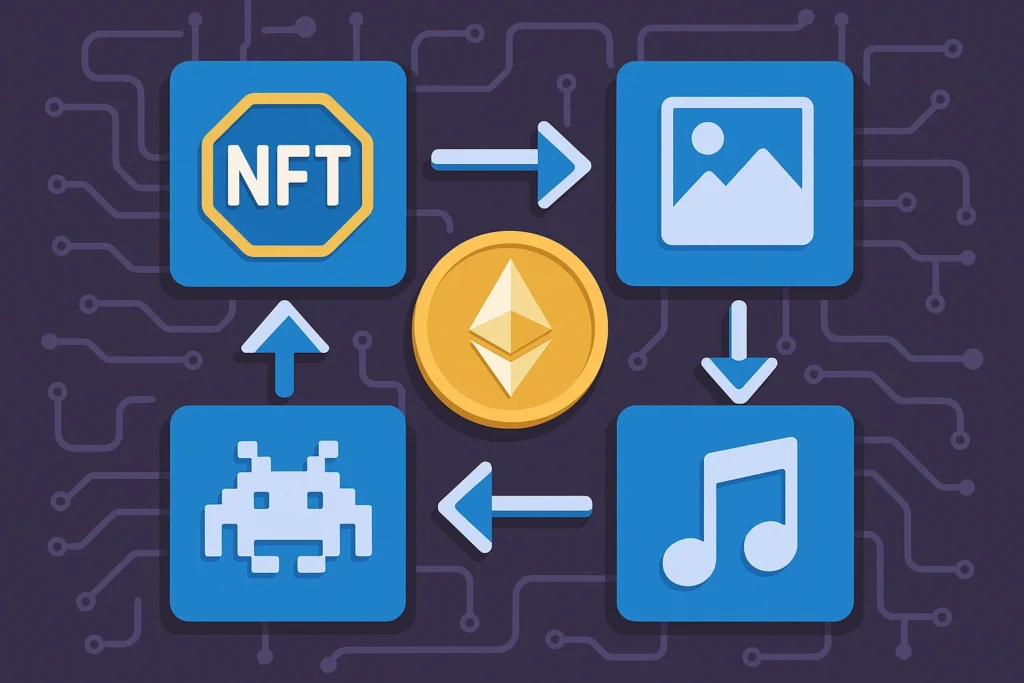
1. A More Intelligent, Autonomous NFT Economy
NFTs will act as wallets, identities, and self-contained ecosystems thanks to ERC-6551 and similar frameworks.
2. Improved Interoperability Across Platforms
Cross-chain standards will allow NFTs to move freely between games, chains, and metaverses.
3. More Meaningful Utility and Use Cases
Dynamic metadata and composable designs unlock real-world applications far beyond collectibles.
4. A Rise in On-Chain Identity and Reputation Systems
NFTs will become the foundation of decentralized profiles and digital passports.
5. Institutional Adoption Through Standardization
Clear digital asset frameworks attract enterprise and regulatory adoption.
The Most Likely Successor to ERC-721
While no single replacement is confirmed, ERC-6551 is currently the strongest candidate because it:
- Extends ERC-721 without replacing it
- Adds wallet capabilities
- Enables composability
- Enhances interoperability
- Supports identity, AI, gaming, and more
ERC-721 becomes the “body,” ERC-6551 becomes the “brain.”
Conclusion
The NFT space is clearly entering a new chapter, quickly moving past the limitations of the original ERC-721 and ERC-1155 standards. This shift is being driven by innovations like ERC-6551, dynamic metadata systems, and composable frameworks. The result is a profound upgrade: NFTs are becoming intelligent, interactive, and far more practical.
Ultimately, the future of NFTs lies beyond static art. It rests on the creation of living, evolving digital assets equipped with inherent capabilities and autonomy. The maturation of these cutting-edge token protocols is poised to redefine digital ownership and finally realize the true promise of Web3.
FAQ: NFT Standards
Are ERC-721 and ERC-1155 becoming obsolete?
Not obsolete, just outdated for advanced use cases. They will still power simple collectibles.
What is the biggest innovation in upcoming NFT standards?
ERC-6551 token-bound accounts. They give NFTs the ability to own assets and function like smart wallets.
Will NFTs become cross-chain by default?
Yes. Interoperability standards are moving toward frictionless multi-chain behavior.
When will new NFT standards become mainstream?
Over the next 12–36 months as gaming, identity, and enterprise adoption demand more flexible infrastructure.