NFT Evolution: How Scientific Innovation is Transforming Digital Collectibles

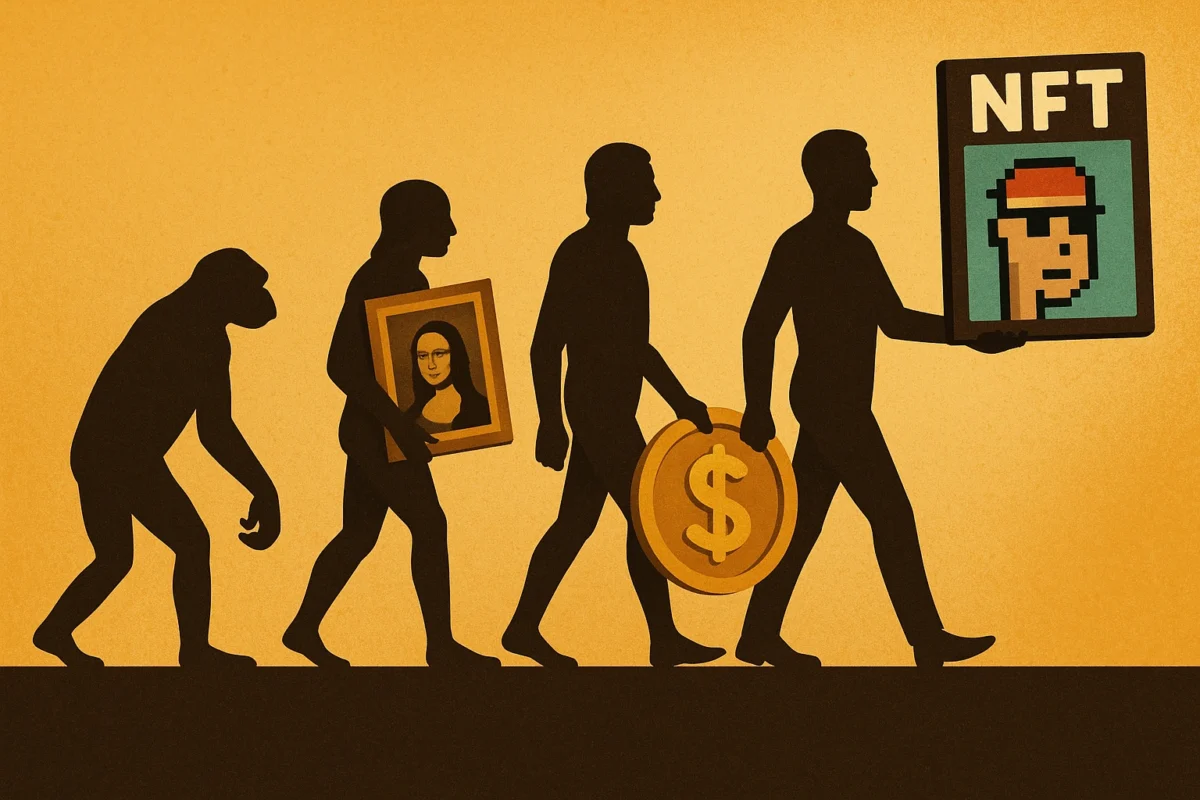
The world of digital collectibles has completely transformed in just a few short years. What started as simple JPEGs on a blockchain has quickly grown into a complex ecosystem built on a foundation of science, technology, and pure creativity. Ignore the hype for a moment. A real revolution is happening quietly in the background, fueled by breakthroughs in blockchain science, data modeling, and cryptography. Today, NFT evolution is about so much more than just digital art.
They now represent a stake in your identity, ownership, and access across everything from entertainment to finance. As this next wave of innovation hits, the underlying science is totally redefining what it means to own something digital in our interconnected world.
In this article, let’s see how these scientific advances are reshaping the NFT space, leading to digital collectibles that are smarter, more sustainable, and genuinely valuable.
What Is NFT Evolution?
The term “NFT evolution” refers to how NFTs have progressed beyond static digital tokens into dynamic, data-rich digital assets. Early NFTs represented ownership of single files—mostly art or collectibles. Now, NFTs interact with external data, adapt to user behavior, and even evolve over time.
This evolution is driven by three major forces:
- Blockchain innovation improving scalability and security.
- Scientific research in token design and interoperability.
- Market demand for more meaningful digital ownership.
Together, these forces are creating a new era of NFT transformation, one that merges art, utility, and science.
The Science Behind NFT Innovation
1. Blockchain Architecture and Smart Contracts
At the core of NFT evolution is blockchain architecture. The first generation of NFTs relied on simple Ethereum smart contracts. But today, scientific approaches to blockchain design like layer-2 scaling, zero-knowledge proofs, and interoperability protocols which allow NFTs to function across multiple platforms efficiently.
This means collectors can buy, sell, and trade seamlessly, without high gas fees or network congestion. It also opens the door for cross-chain digital collectibles, where ownership transcends one blockchain.
2. Data Science and Predictive Modeling
Scientific data models now help evaluate NFT rarity, market behavior, and value prediction. These models analyze metadata, transaction history, and social signals to forecast trends in NFT advancements.
This has given rise to “intelligent NFTs” which are assets that learn from data and adapt. For instance, an NFT avatar might evolve based on its owner’s engagement or the number of transactions associated with it.
Also See: What’s an NFT? A Beginner’s Guide
3. Cryptography and Identity Verification
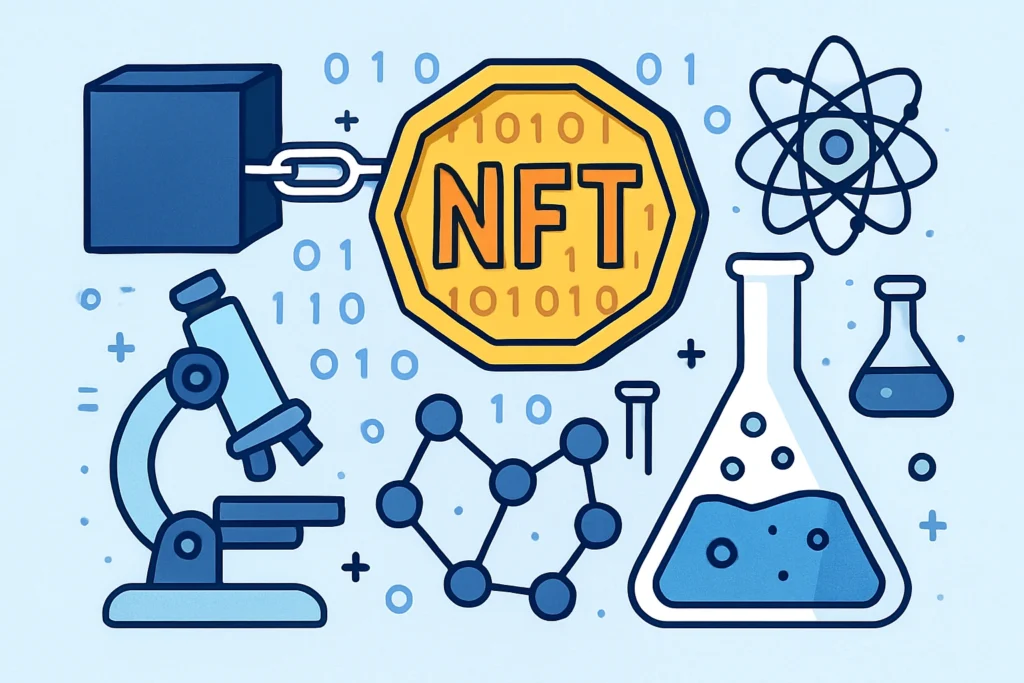
NFTs rely on advanced cryptographic systems to ensure security and authenticity. Modern approaches like quantum-resistant encryption and decentralized identifiers (DIDs) make it possible to verify true ownership without revealing personal information.
This not only strengthens digital trust but also bridges NFTs with identity management systems, enabling blockchain science to redefine digital identity itself.
Dynamic and Programmable NFTs (dNFTs)
The concept of a static, unchangeable NFT is rapidly becoming obsolete. Dynamic NFTs (dNFTs) represent a significant leap in NFT transformation, allowing the metadata, which is the data that dictates what the NFT represents, to change based on external inputs.
Oracles and Real-World Data
dNFTs utilize blockchain science in conjunction with decentralized oracle networks (like Chainlink) to feed verified real-world data directly into the smart contract governing the token. For example, a digital art piece could change its visual appearance based on the real-time stock price of a company, the weather in a specific city, or the owner’s performance in a video game.
Utility in Gaming and Identity
This programmability is vital for the NFT future in applications like gaming (where a character NFT gains experience and upgrades) and digital identity (where a credential NFT evolves as the owner earns new certifications or reputation). The token becomes a living, functional digital asset, not just a proof of purchase.
Sustainability: The Science of Greener NFTs
NFTs faced early criticism for their energy consumption. But blockchain scientists have tackled this head-on through innovation. Proof-of-Stake (PoS) systems, carbon offset protocols, and renewable energy integration have drastically reduced NFT carbon footprints.
Emerging platforms now use carbon tracking technology and green consensus mechanisms to make minting more sustainable. As climate data becomes integral to blockchain records, scientific carbon accounting ensures NFTs evolve responsibly within the global sustainability framework.
AI’s Role in NFT Evolution
Artificial intelligence is another key driver of NFT transformation. Through AI-generated art, sentiment analysis, and algorithmic curation, NFTs are becoming smarter and more dynamic.
AI models analyze market patterns, optimize pricing strategies, and even suggest new creative directions for artists. On a deeper level, machine learning helps build predictive tools that anticipate NFT market shifts, enabling investors to make data-backed decisions.
This fusion of AI and blockchain creates a new scientific frontier where NFTs behave like living assets that learn, adapt, and evolve with their environment.
Scientific Innovation and NFT Valuation Models
The valuation of NFTs is no longer a guessing game. Blockchain analytics and data-driven NFT valuation techniques are reshaping how collectors assess worth.
By combining transaction velocity, liquidity metrics, and ownership history, new models can score NFTs based on scientific criteria rather than social hype. These valuation methods bring more transparency, allowing investors to differentiate between fleeting trends and long-term value.
Such models are central to the future of digital asset tech, where data authenticity and scientific proof replace speculation.
The Future of Digital Collectibles
Interoperable Digital Ecosystems
As blockchain innovation continues, the walls between networks are disappearing. NFTs will soon move freely across ecosystems between Ethereum, Solana, Polygon, and future chains without losing data or value.
This interoperability ensures that digital assets have lasting utility, not confined to one platform or game.
Scientific Provenance
Blockchain’s ability to record metadata with precision gives rise to scientific provenance which is the ability to trace the exact origin, ownership, and changes of a digital collectible. This builds trust and enhances long-term asset credibility, crucial for investors and creators alike.
Fractional Ownership
Through tokenization science, NFTs can now be divided into smaller units. This enables fractional ownership, allowing multiple investors to co-own high-value assets like rare art, real estate, or digital music rights.
This innovation democratizes access to digital wealth, expanding NFT adoption beyond elite collectors.
FAQ: NFT Evolution
What makes the new generation of NFTs “scientific”?
They’re built using advanced blockchain protocols, AI, and data analytics to enhance utility, sustainability, and security.
How does science improve NFT value assessment?
Scientific models use measurable data like transaction history and rarity metrics to determine value rather than subjective hype.
Are NFTs still relevant beyond art?
Absolutely. NFTs now power gaming, fashion, education, real estate, and identity systems.
What role will quantum computing play in NFT evolution?
Quantum-resistant algorithms will protect NFT data, ensuring security against future computational threats.
Conclusion
Ultimately, the growth of NFTs is more than just a cultural shift; it’s a testament to scientific progress. By leveraging blockchain innovation, smarter cryptography, and the power of AI, NFTs are evolving into something much more substantial, they’re intelligent, lasting digital assets that go far beyond art gallery walls and quick trades.
When the worlds of tech and creativity fully blend, these digital collectibles will play a central role in how we show our identity, understand value and ownership, and establish trust in the digital realm. The future promises an NFT space that is more grounded in science, welcoming to all, and incredibly exciting.