Using Machine Learning to Predict NFT Success Rates

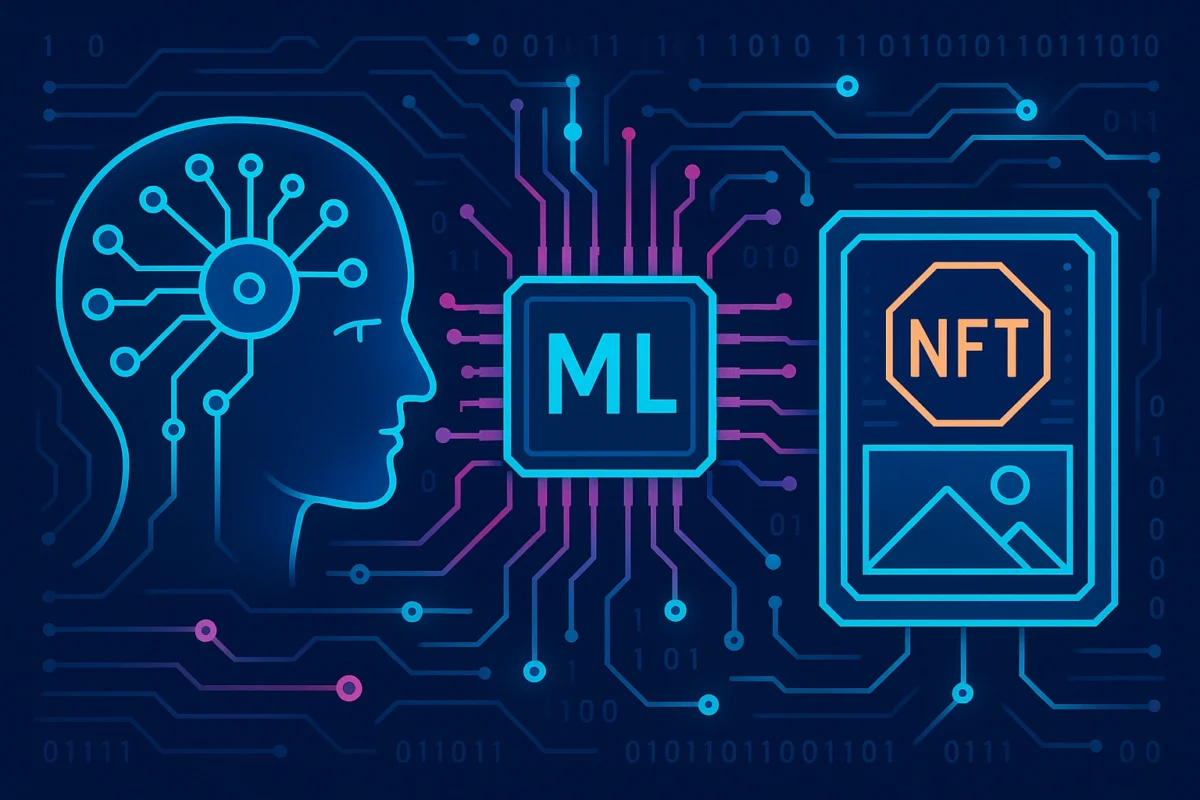
The world of NFTs and digital art can feel completely random. We’ve all seen it: a project goes viral almost instantly, yet a seemingly identical one, with great artwork and a strong community, never takes off. It begs the question: What’s the real difference between an NFT that makes millions and one that gets instantly forgotten? The simple answer is data, specifically when we apply machine learning NFTs to it. By using sophisticated algorithms, we can finally start to uncover the hidden signals within blockchain data.
These advanced models are powerful tools, giving everyone from the casual collector to the serious investor, the ability to forecast an NFT’s success with much more confidence.
Let’s explore how these AI-driven systems are reshaping asset valuation, break down the mechanics of predictive analytics in digital forecasting, and see why data science is about to become the backbone of smart NFT investing.
What Does “Predicting NFT Success” Mean?
Predicting NFT success means estimating the likelihood that a token will increase in value, attract active trading, or retain demand over time. Success isn’t just about price, it includes:
Liquidity – How easily an NFT can be sold or traded.
Community engagement – The strength and consistency of a project’s followers.
Creator reputation – The influence and history of the artist or developer.
Rarity & uniqueness – The scarcity of the asset in a given collection.
Market sentiment – How investors and collectors feel about the category.
How Machine Learning NFT Prediction Works
Machine learning (ML) uses data to train models that can identify relationships and forecast outcomes. In the context of NFTs, ML algorithms sift through vast blockchain data to find subtle clues about future performance.
Here’s how the process unfolds:
Data Collection: The model gathers data on NFT trades, minting dates, metadata, artist activity, and market conditions.
Feature Engineering: Relevant features are extracted—like floor price trends, social engagement, rarity scores, and transaction velocity.
Model Training: Algorithms such as Random Forest, XGBoost, or Neural Networks learn from historical data to recognize what signals led to successful projects.
Prediction: The trained model applies this learning to new or upcoming NFT collections, predicting potential success rates.
This approach turns randomness into probability, allowing data-driven insights to guide decision-making.
Also See: NFT Evolution: How Scientific Innovation is Transforming Digital Collectibles
Key Data Points Machine Learning Analyzes
1. Transaction History
ML models evaluate patterns in NFT sales volume, price volatility, and resale frequency to understand how value evolves over time.
2. Social Media Signals
Engagement across platforms like X (Twitter), Discord, and Instagram provides real-time insight into community sentiment. AI tools quantify these trends to gauge hype and sustainability.
3. Metadata & Visual Traits
NFTs with certain traits like limited editions or artist-signed assets often have higher perceived value. ML can measure how specific traits influence pricing.
4. Blockchain Analytics
Models track wallet behavior: who’s buying, how long they hold, and how often they trade. This reveals investor confidence and potential whale activity.
5. External Factors
Macroeconomic data, Ethereum gas fees, and even NFT marketplace policy changes can influence market behavior. Predictive systems include these contextual elements for accuracy.
Why Machine Learning Matters for NFT Investors

Smarter Investment Decisions
Investors no longer have to rely purely on intuition or online buzz. With predictive analytics NFTs, decisions become grounded in statistical probability rather than speculation.
Identifying Early Winners
ML can spot undervalued collections before they explode in popularity. This gives investors the advantage of entering early and maximizing gains.
Reducing Risk Exposure
By analyzing volatility and transaction behavior, AI models can flag projects with unstable patterns or low community engagement helping avoid potential losses.
Enhancing Portfolio Diversity
Machine learning allows investors to diversify across different categories (art, gaming, utility NFTs) based on risk-adjusted success rates, creating more resilient portfolios.
How Creators Benefit from Predictive Models
NFT artists and developers can use ML insights to shape better project strategies:
Optimized pricing models – Understanding what price points resonate with buyers.
Targeted audience engagement – Identifying which communities are more receptive.
Timing of releases – Launching drops when market sentiment and liquidity are high.
Trait engineering – Designing NFT attributes that historically correlate with demand.
In short, ML doesn’t just predict success, it can help design it.
Challenges in Machine Learning for NFTs
While the technology is promising, it’s not foolproof.
1. Data Quality
Blockchain data is transparent but not always clean. Spam transactions or fake trades can skew results unless properly filtered.
2. Market Volatility
NFT prices are influenced by cultural trends and sentiment shifts that even advanced algorithms may struggle to anticipate.
3. Overfitting Risks
Models that learn too much from past data may fail to adapt to new market dynamics, reducing accuracy.
4. Ethical Concerns
Relying entirely on algorithmic predictions risks over-commercializing art, sidelining creativity for profit-driven outcomes.
Despite these challenges, continuous improvements in NFT algorithms and data normalization are making predictions more reliable each year.
The Future: Where AI and NFT Science Collide
As NFT science evolves, predictive models will integrate even more dimensions of data:
Emotional AI – Analyzing sentiment in digital art communities to forecast virality.
Cross-chain analytics – Predicting trends across blockchains like Solana, Polygon, and Ethereum.
Reinforcement learning – Allowing algorithms to “learn” market reactions and self-adjust forecasts.
Generative prediction models – Using AI to simulate potential NFT trajectories based on past performance.
These innovations will make digital asset forecasting as sophisticated as financial market modeling bridging creativity with data intelligence.
Conclusion
Machine learning NFTs are redefining how the digital asset world understands value. By transforming raw blockchain data into actionable insights, predictive analytics makes investing smarter, safer, and more strategic.
NFT markets will always have an element of unpredictability but with AI at the core, success becomes less about luck and more about informed precision. Whether you’re an investor seeking growth or a creator building the next viral drop, machine learning is your silent partner in navigating the future of NFT success.
FAQ: Machine Learning NFT
Can AI really predict which NFTs will be successful?
Yes, to a degree. Machine learning identifies probability patterns, not guarantees. It improves forecasting accuracy but can’t replace market intuition.
Which machine learning models are best for NFT prediction?
Common algorithms include Random Forest, Gradient Boosting, and Neural Networks, each suited for different data volumes and prediction goals.
Is machine learning only for large investors?
No. Many AI-driven NFT platforms now offer dashboards accessible to smaller investors and creators.
What data is most important in predicting NFT success?
Social engagement, transaction volume, rarity, and wallet behavior are among the strongest indicators of long-term success.